What does “mana curve” mean?
What it means
Mana curve, adapted from collectible card games, describes the distribution of card scarcity and perceived power across an entire product line or set. It is not strictly about gameplay power but about market availability. A balanced curve means the set offers a spectrum of entry points: numerous low-cost, high-volume commons; a substantial middle tier of mid-value rares; and a smaller, highly sought-after top tier of expensive staples. A skewed curve—either too steep (too many expensive cards) or too flat (too many common, low-impact cards)—signals a different market dynamic. For resellers, this dictates liquidity risk.
What it does to price
The curve directly influences the velocity of sales. A set with a healthy, balanced curve supports sustained mid-tier pricing, as buyers can acquire functional collections without overspending on single chase pieces. A steep curve concentrates value in the top 5-10% of cards, causing the bulk of the set (the middle tiers) to depreciate faster. Conversely, a flat curve can inflate the value of the highest-rarity cards because the pool of potential buyers is smaller, leading to higher initial spikes. If a set is known for an extremely steep curve, a common card might sell for $0.50, while the top-tier chase card can command $150+.
How to spot it
Spotting the curve requires reviewing the set list alongside market data, not just looking at one card. Look at the ratio of foil vs. non-foil print runs for a given rarity tier. A telltale sign of a poorly designed or highly skewed set is when the top 1% of cards account for over 60% of the set’s total perceived market value. Sellers should provide a full set list or a breakdown of the rarity distribution. Be wary of sets where all high-end cards are only available in extremely limited, specialized printings, as this artificially steepens the curve and limits secondary market access.
Buying smart
Paying a premium for a set based on a strong curve is warranted when the set is highly regarded for its design and has proven longevity in the secondary market. This is true for sets that offer both accessible entry points and desirable high-value targets. Avoid overpaying for sets with an excessively steep curve unless the specific top-tier card is an absolute market necessity. A fair deal means the average cost of acquiring a "complete" collection (including all mid-tier rares) aligns with the set's overall perceived quality, not just the price of the single most expensive card.
Selling smart
Proving the curve structure in a listing shifts perception from "a collection of cards" to "a structured investment." Highlighting the presence of a robust mid-tier (e.g., "Features 15+ highly sought-after mid-tier rares") justifies a higher overall bundle price. The one word that earns the premium is "Balanced." If a seller can state, "This set offers a balanced curve with strong mid-tier retention," buyers are more likely to view the entire lot as a stable asset rather than a volatile gamble on the top-end chase pieces.
On eBay right now
Current asking prices from live listings — not sold-comp medians.
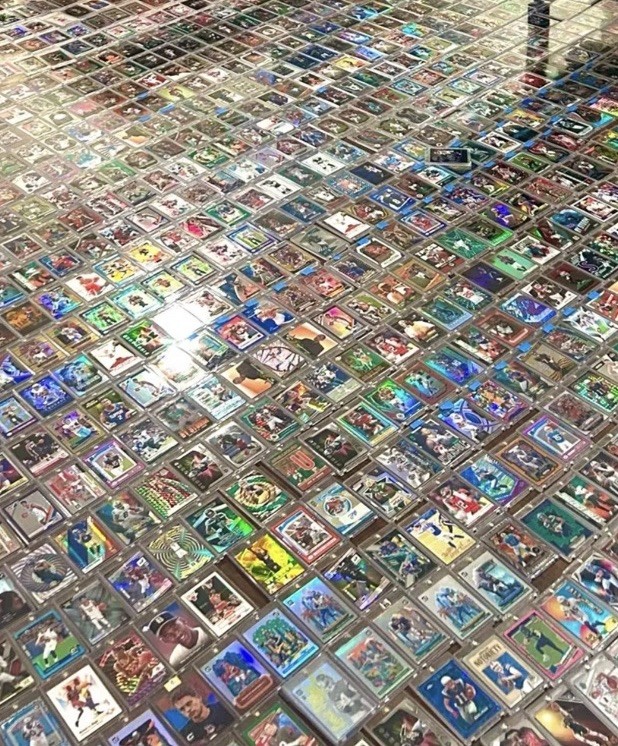
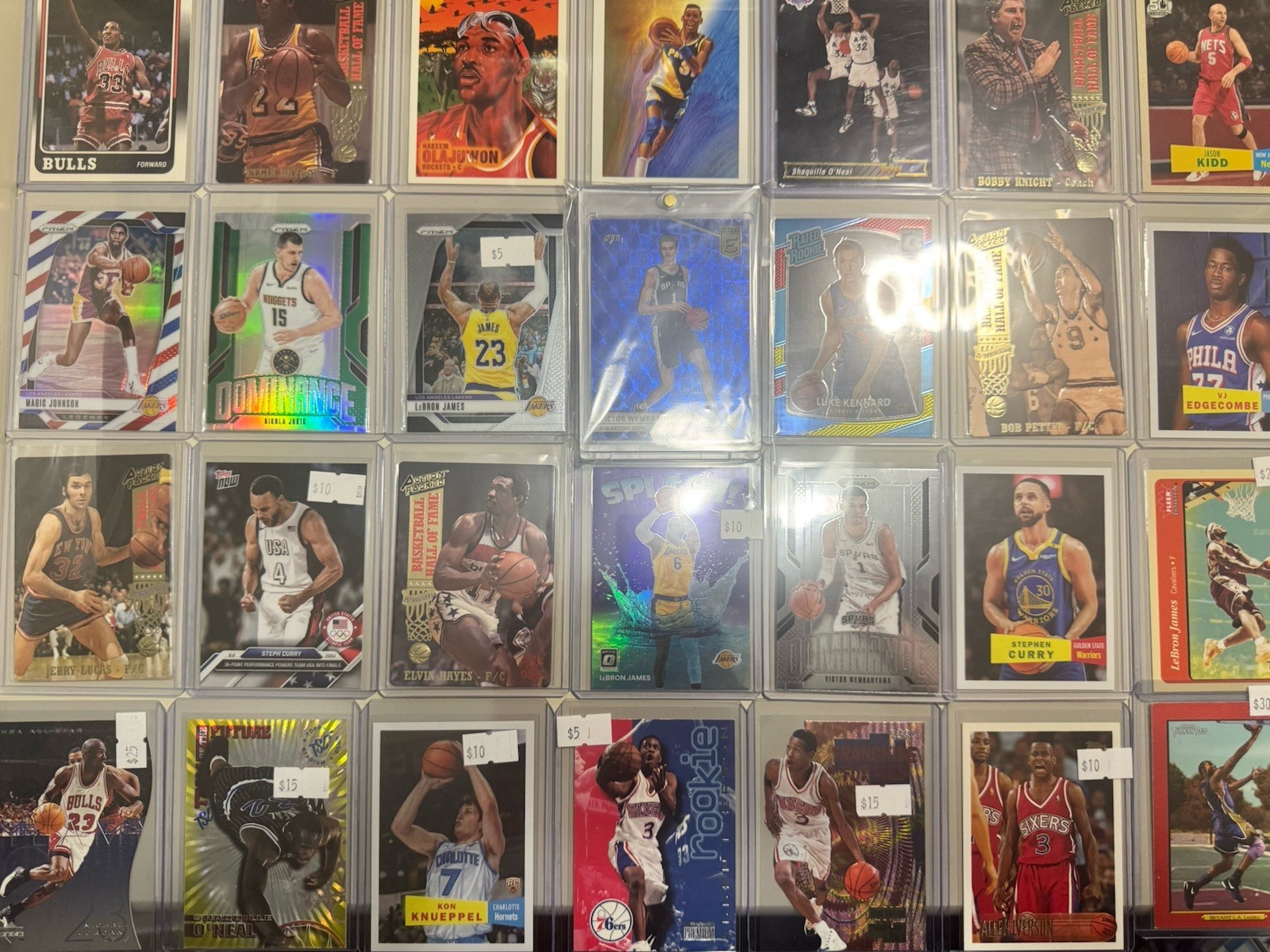

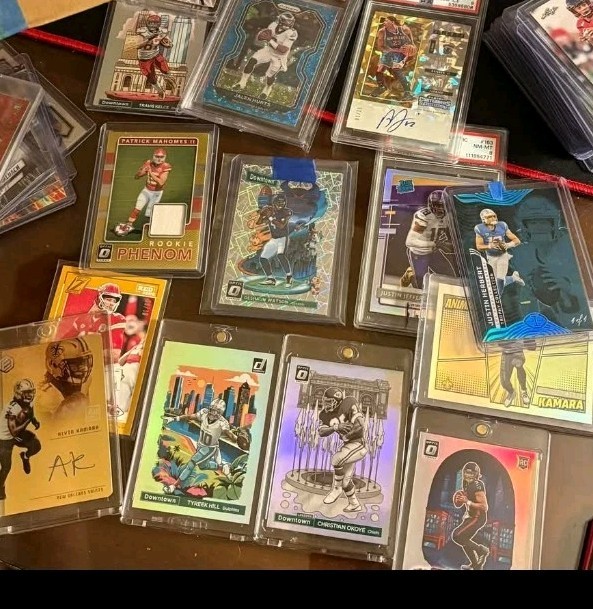


eBay links are affiliate links: JunkPal may earn a commission at no cost to you.
Resale values related to mana curve
Shop mana curve on eBay ↗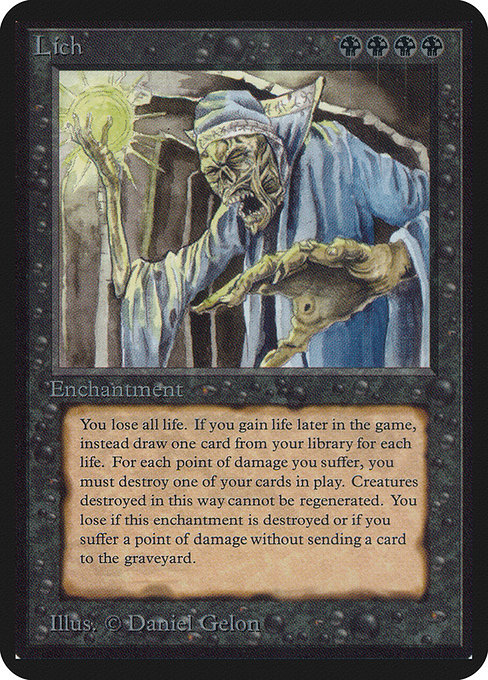
![Jolteon [Tekno] #135](/api/images/junkpal-products/cards/jolteon-tekno-135-pokemon-2000-topps-chrome-card/img0/thumb.webp)




JunkPal may earn a commission when you buy through eBay links, at no extra cost to you.
What’s worth the most
Ranked on medians of real closed eBay sales, not asking prices.