What does “magnetic card” mean?
What it means
A magnetic card is a trading card manufactured with an integrated magnetic component, either as a backing layer or within the card structure itself. This feature allows the card to adhere to ferrous surfaces, typically for display on magnetic boards or for specialized storage. This is not a standard grading metric (like PSA 10) but rather a functional characteristic. It usually signifies a specific promotional release, a limited edition variant, or a specialized collector's item rather than a standard game-play card.
What it does to price
The magnetic feature itself does not inherently inflate the card's base value unless it is tied to a highly desirable, limited-run set. If the card is otherwise common, the magnetism might only add a slight premium, perhaps 10-25% over the loose equivalent, purely for display utility. Conversely, if the magnetism is poorly executed—e.g., the magnet is loose, peeling, or causes warping—it acts as a significant detractor, potentially reducing the value by 30% or more because it introduces handling risk. A clean, functional magnet integrated into a sought-after set can justify a 1.5x multiplier compared to the non-magnetic version.
How to spot it
The telltale sign is the presence of a distinct, often metallic or reinforced backing layer. Examine the edges closely for seams or indicators where the magnet is affixed. Check the card's weight; magnetic cards are often slightly heavier than their standard counterparts. Sellers should provide high-resolution photos showing the magnetic area clearly. A common mistake is aftermarket application; if the magnet appears crudely glued on rather than factory-integrated, the card's value drops substantially, as it suggests post-production tampering.
Buying smart
Paying a premium for a magnetic card is worthwhile only when the card is from a known, high-demand, or limited-run set, and the magnetic application is factory-perfect. If the card is a common pull from a mass-market release, the added cost for the magnet is rarely justified. A fair deal involves the premium being proportional to the card's inherent rarity; if the card is common, the magnetic feature should not cost more than 15% above the standard loose price.
Selling smart
Listing must explicitly detail the magnetic feature. Do not assume the buyer will notice. The listing description must state the function (e.g., "Display Magnetized Backing"). The single most effective photo is a close-up, well-lit shot of the magnetic area showing its integration. If the magnet is functional and undamaged, this feature converts a standard listing into a niche, display-oriented listing, often commanding a 20-40% premium over the non-magnetic equivalent due to the specific utility it offers.
On eBay right now
Current asking prices from live listings — not sold-comp medians.

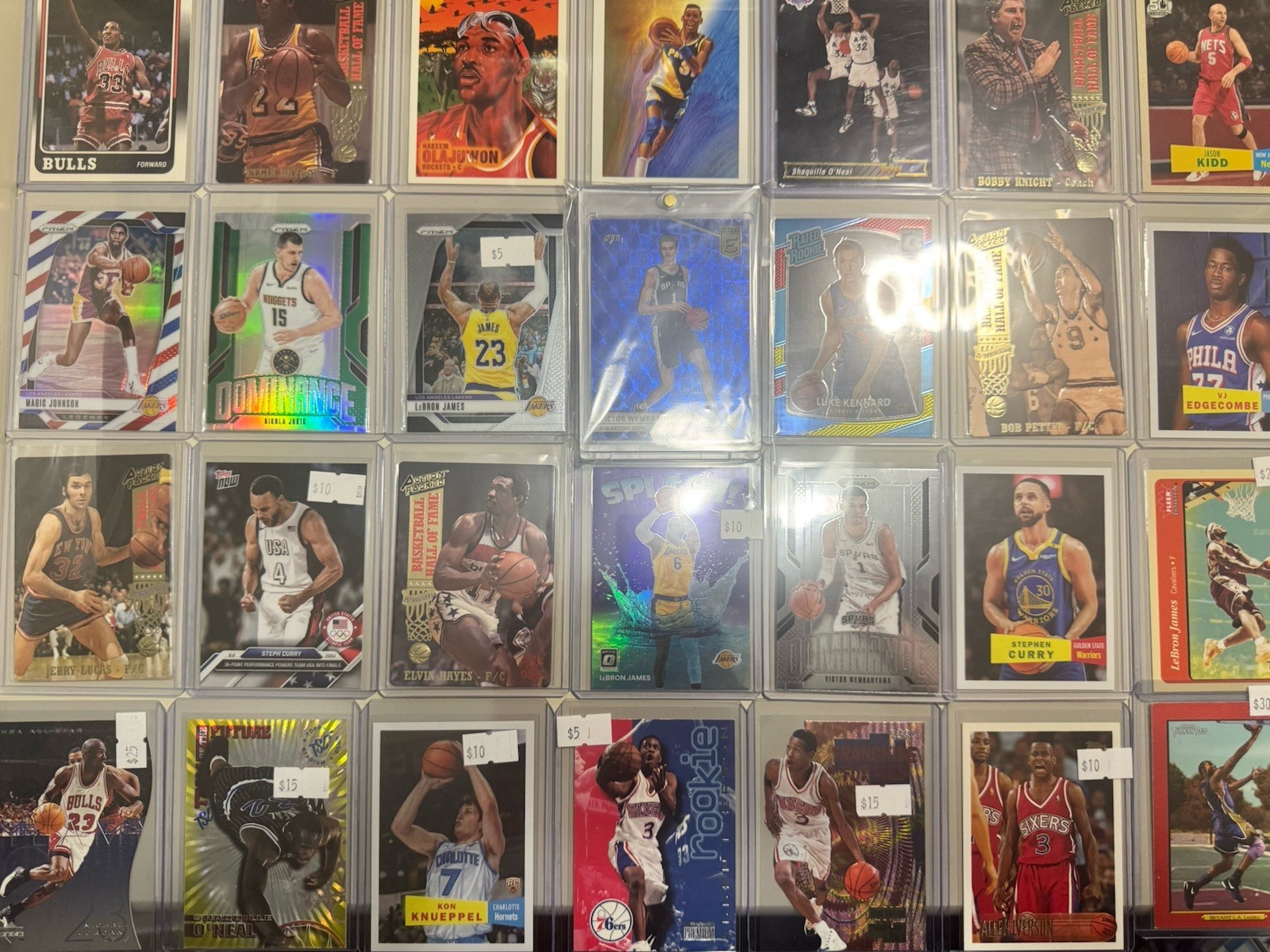

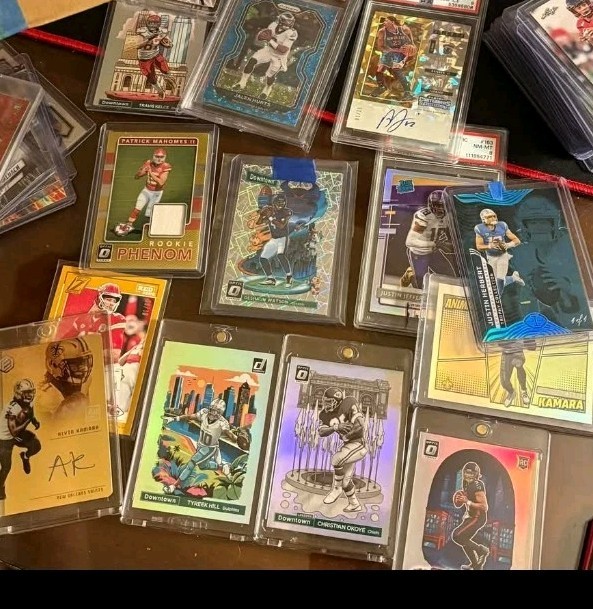


eBay links are affiliate links: JunkPal may earn a commission at no cost to you.
Resale values related to magnetic card
Shop magnetic card on eBay ↗
![Dark Dragonite [Reverse Holo] #5](/api/images/junkpal-products/cards/dark-dragonite-reverse-holo-5-pokemon-legendary-collection-card/img0/thumb.webp)
![Magikarp [Sparkle] #129](/api/images/junkpal-products/cards/magikarp-sparkle-129-pokemon-2000-topps-chrome-card/img0/thumb.webp)
![Psyduck [Reverse Holo] #88](/api/images/junkpal-products/cards/psyduck-reverse-holo-88-pokemon-legendary-collection-card/img0/thumb.webp)

JunkPal may earn a commission when you buy through eBay links, at no extra cost to you.
What’s worth the most
Ranked on medians of real closed eBay sales, not asking prices.