What does “limited edition” mean?
What it means
"Limited edition" in trading cards means the manufacturer deliberately capped the total number of cards produced for a specific variant, set, or chase element. This is distinct from a "short print," which might be an accidental production error. The core concept is intentional scarcity. Mainstream equivalent: A special, low-volume release. This designation is not a guarantee of value, only of reduced supply. The term itself is often used broadly by sellers; verification of the actual print run number is essential for accurate valuation.
What it does to price
Scarcity directly inflates price relative to the base set. A standard, common card might sell for $1.00 loose. A verified, low-numbered limited edition version of that same card, in comparable condition, can easily command 5x to 20x that price, depending on the rarity tier (e.g., 1/100 vs. 1/500). Condition is the primary multiplier; a graded, PSA 10 limited card will see a significantly higher return than a raw, ungraded copy. If a card is listed as "limited" but is actually a standard retail pull, the price premium evaporates immediately.
How to spot it
Look for specific identifiers on the card itself. These include serial numbers (e.g., /10, /50), foil patterns unique to the limited run, or specific card numbering within the set key. Sellers must provide high-resolution images showing these identifiers clearly. Common mistakes involve sellers mislabeling a standard parallel or insert as a true "limited edition" due to confusion over production runs. Always cross-reference the card's characteristics against known collector databases for that specific manufacturer and year.
Buying smart
Paying a premium for a limited card is justified only when the scarcity is verifiable and the card is in high condition. If the card is ungraded and the stated scarcity is ambiguous (e.g., "very limited"), the risk is too high for a significant investment. A fair deal involves the asking price reflecting the *verified* scarcity tier. If a card is listed as 1/10, the price should reflect that extreme scarcity, not just a minor parallel variation. If the price is disproportionately high compared to other verified low-numbered examples, walk away.
Selling smart
Proving the limited status in a listing is the single most effective way to command a premium. The listing description must explicitly state the exact print run (e.g., "Numbered 1/75"). The required photo is one that clearly displays the serial number or edition marker. Buyers pay for certainty. A listing that simply says "Limited Edition" invites lowball offers based on speculation; a listing that states "Limited Edition, Serial #12/100" immediately positions the item in a higher, more serious investment bracket.
On eBay right now
Current asking prices from live listings — not sold-comp medians.

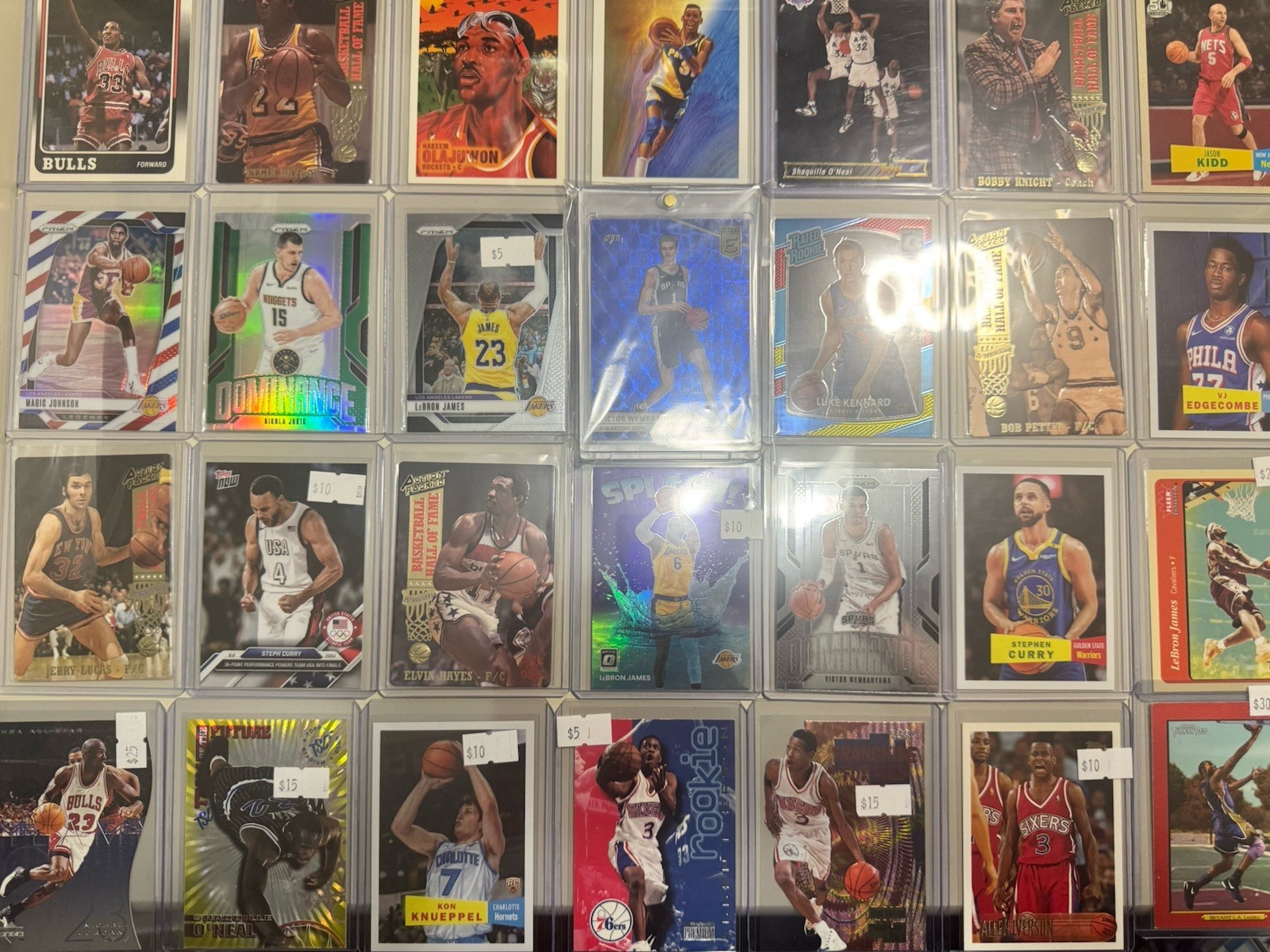
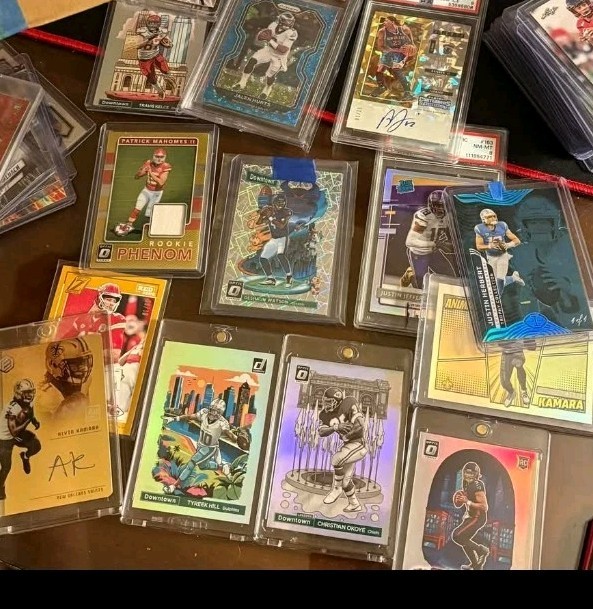

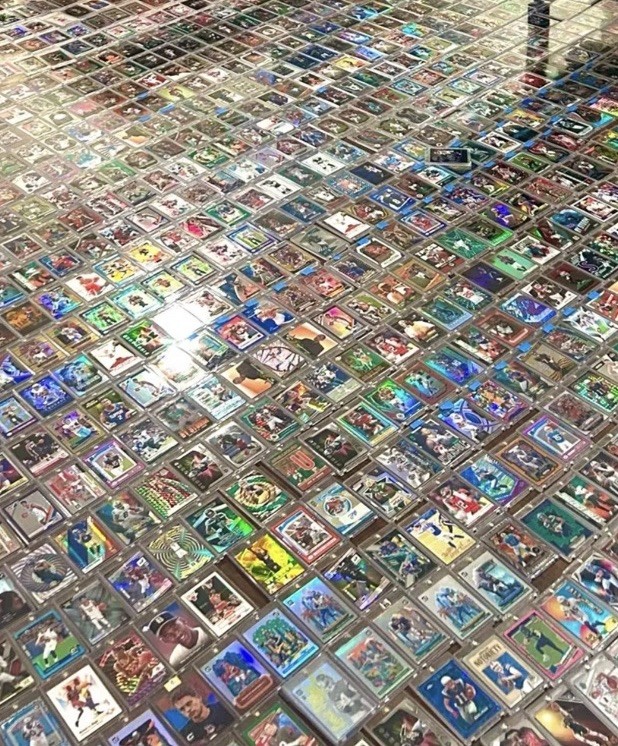

eBay links are affiliate links: JunkPal may earn a commission at no cost to you.
Resale values related to limited edition
Shop limited edition on eBay ↗

![Articuno [Sparkle] #144](/api/images/junkpal-products/cards/articuno-sparkle-144-pokemon-2000-topps-chrome-card/img0/thumb.webp)


JunkPal may earn a commission when you buy through eBay links, at no extra cost to you.
What’s worth the most
Ranked on medians of real closed eBay sales, not asking prices.