What does “lightly played card” mean?
What it means
Lightly played card denotes a trading card exhibiting only minor, superficial signs of handling or use. This condition is superior to standard "Played" but may fall just below a strict "Near Mint" designation, depending on the specific grading company (PSA, BGS, CGC). The wear is not structural; it does not involve creases, major scuffs, or significant edge whitening. Instead, it manifests as very slight surface abrasions, minor corner rounding that does not compromise structural integrity, or minuscule print fading visible only under close inspection. In common terms, this is often equivalent to a "Very Fine" or "Near Mint-Minus" grade.
What it does to price
The condition dictates a substantial price differential. A lightly played card typically commands a 1.8x to 3.5x premium over a card graded as "Played" in the same set. For a mid-tier, non-chase card valued at \$20 loose, a lightly played copy might sell for \$35 to \$70. Factors pushing the price up include pristine centering and perfect surface gloss. Factors pulling the price down include any discernible print misalignment or slight edge chipping, even if minor.
How to spot it
Inspection requires magnification. Look for edge wear: is it just rounding, or is there actual paper loss or whitening at the corners? Surface wear is key; look for micro-scratches or dulling of the foil/ink, rather than large scratches. Sellers must provide high-resolution, well-lit photos of all four corners and the card surface (front and back). A common mistake is confusing "lightly played" with "well-preserved." A well-preserved card might have been handled but never actively played; lightly played implies some level of interaction with a deck or surface.
Buying smart
Paying a premium for this condition is justified when the card is a high-demand chase card (e.g., a rookie autograph or rare parallel) where condition is the primary driver of value. For common, low-value cards, the premium is rarely worth the risk or the extra cost. A fair deal for a lightly played card should reflect the gap between its condition and the next tier down. If a seller is asking for a 5x premium over a verifiable "Played" copy without exceptional centering or a high-demand status, the asking price is inflated.
Selling smart
To maximize return, the listing must explicitly state the condition and provide photographic evidence supporting the "lightly played" claim. Use descriptive language that avoids hyperbole but confirms the minimal wear. The single most valuable asset in the listing is a close-up photo focusing on a corner or a surface area, clearly showing the absence of major flaws. Labeling it "Lightly Played" correctly, rather than guessing "Near Mint," manages buyer expectations and attracts serious, informed buyers willing to pay the corresponding premium.
On eBay right now
Current asking prices from live listings — not sold-comp medians.
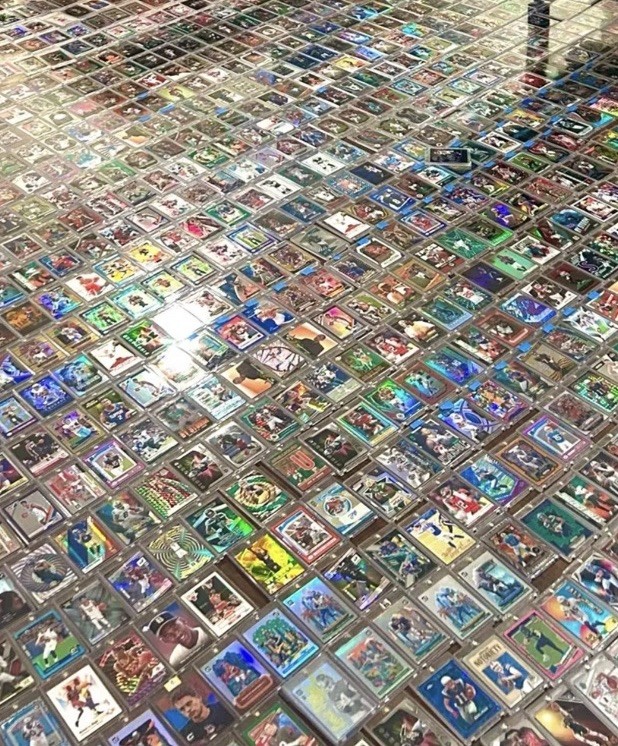
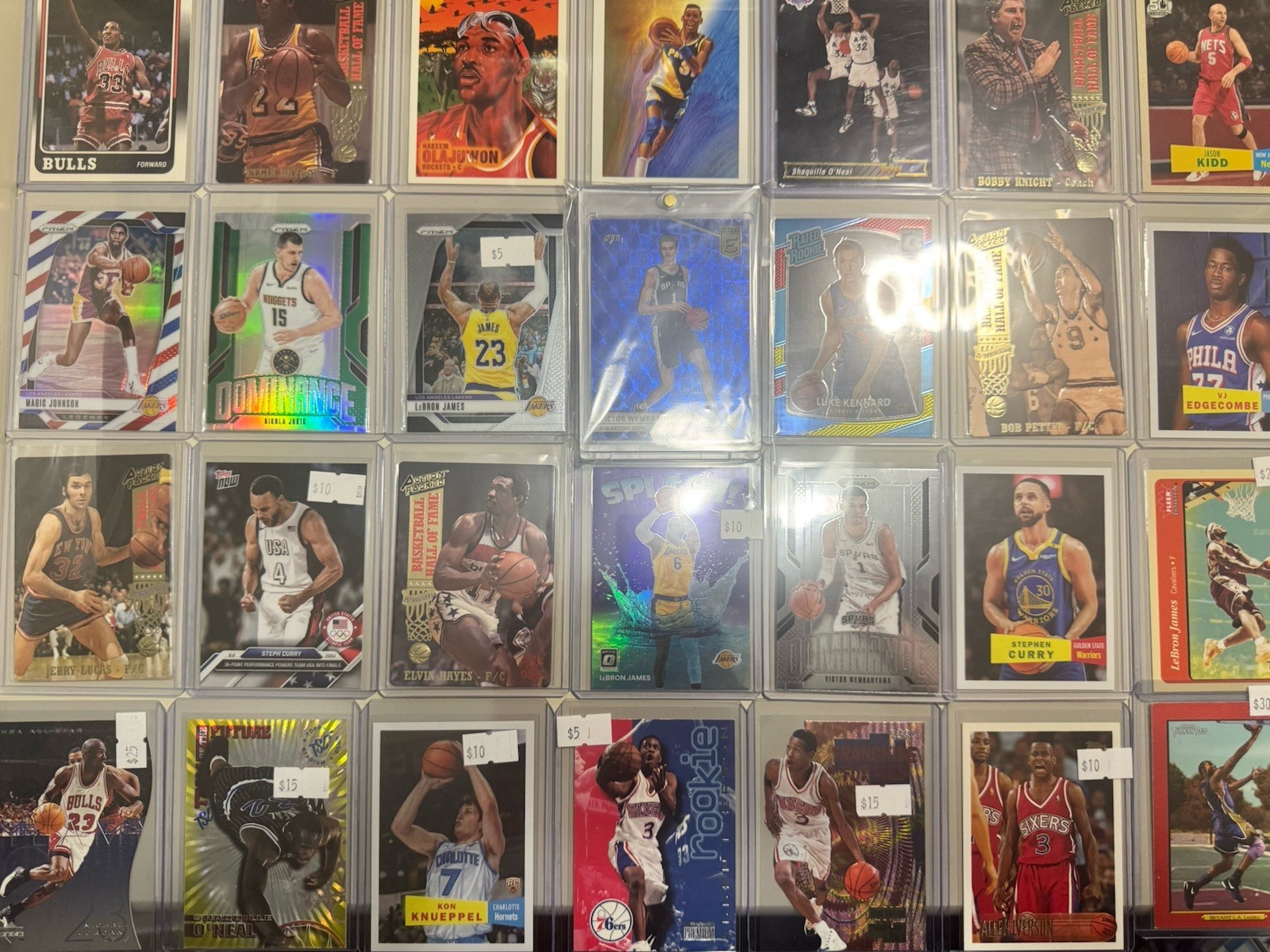

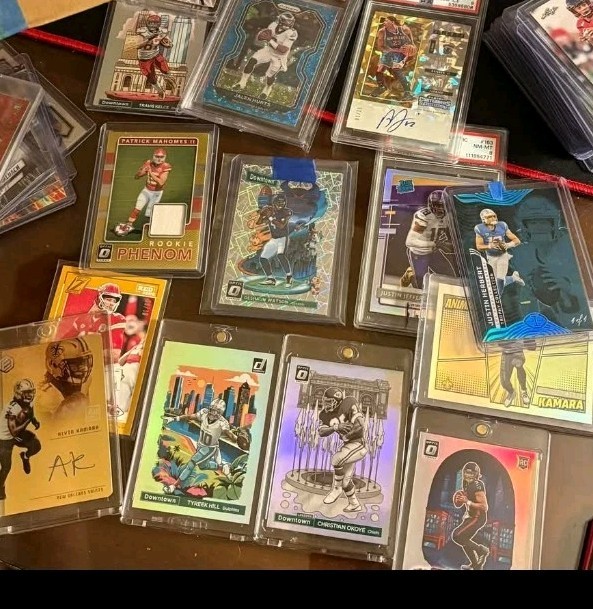


eBay links are affiliate links: JunkPal may earn a commission at no cost to you.
Resale values related to lightly played card
Shop lightly played card on eBay ↗




JunkPal may earn a commission when you buy through eBay links, at no extra cost to you.
What’s worth the most
Ranked on medians of real closed eBay sales, not asking prices.