What does “lightly played” mean?
What it means
"Lightly played" signifies a trading card that has experienced minimal physical interaction beyond necessary handling for inspection or storage. This is distinct from "Near Mint" (NM) or "Mint" (M), which imply near-perfect, untouched condition. "Lightly played" suggests the card was handled—perhaps removed from a binder or sleeved—but shows no significant signs of game use, such as heavy edge rubbing, creasing, or surface abrasion from play. It is a middle ground between pristine and heavily used. For collectors, this implies the card retains strong color saturation and structural soundness, but minor, non-game-related handling marks may be present.
What it does to price
The condition designation directly impacts market valuation. A lightly played card typically commands a 1.2x to 2.5x premium over a card graded as "Played" or "Good" (G). For a mid-tier, popular card, the difference between a heavily played copy and a lightly played copy can range from $15 to over $75, depending on the card's base market value. Factors pushing the price up include perfect centering and clean corners. Factors pulling the price down include minor, unavoidable surface scuffs that are not structural damage.
How to spot it
Visual inspection is key. Look for edge wear; if the edges are smooth and sharp, it leans toward lightly played. Check the surface under magnification for fine hairline scratches, which are common with light handling. Examine the corners for rounding; lightly played cards should have only very slight, almost imperceptible softening. Always request high-resolution photos showing the card from all four corners and a full front/back view. A common mistake is mislabeling a card that has been stored improperly (e.g., in a damp environment), which mimics wear.
Buying smart
Paying a premium for "lightly played" is justified when the card is a key chase card within a high-demand set, or when the difference between lightly played and heavily played is substantial (e.g., a $500 card versus a $150 card). It is not worth the premium for common, low-value cards where the condition difference is negligible in the final sale price. A fair deal involves the asking price reflecting the *potential* for better condition, not just the current state.
Selling smart
Listing the card as "Lightly Played" accurately sets buyer expectations and justifies a higher listing price than "Played." The single most effective element in a listing is a clear, well-lit photo showing the card's edges and corners up close. A simple, honest description confirming "minimal handling, no game wear" reinforces the label and prevents disputes over condition upon arrival.
On eBay right now
Current asking prices from live listings — not sold-comp medians.
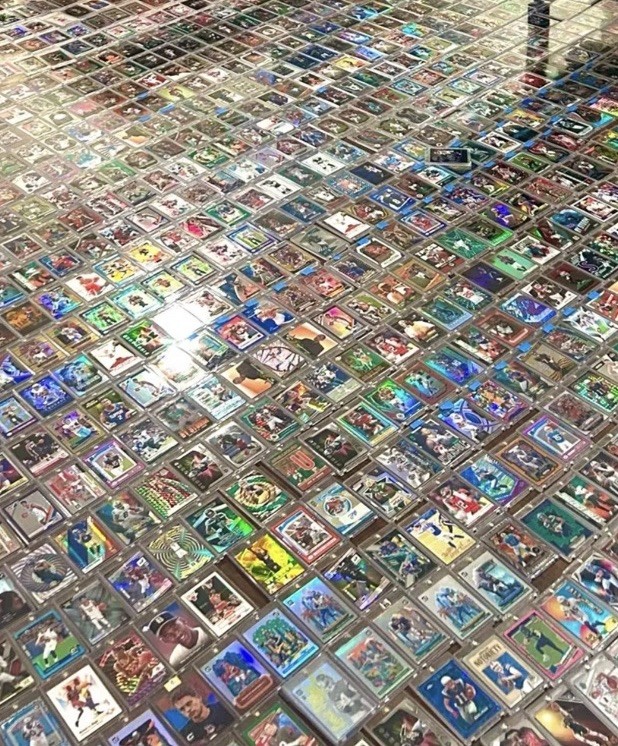
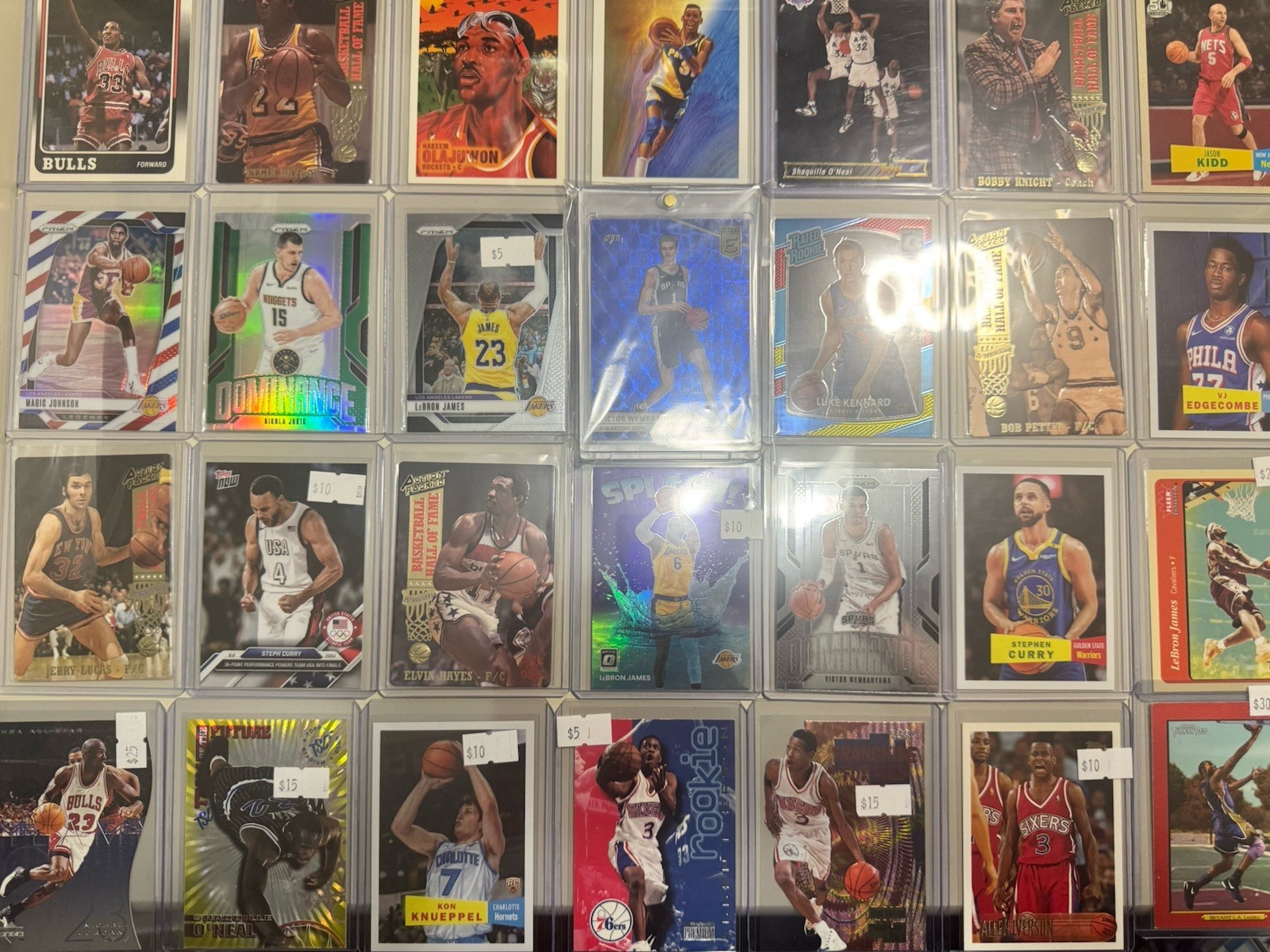

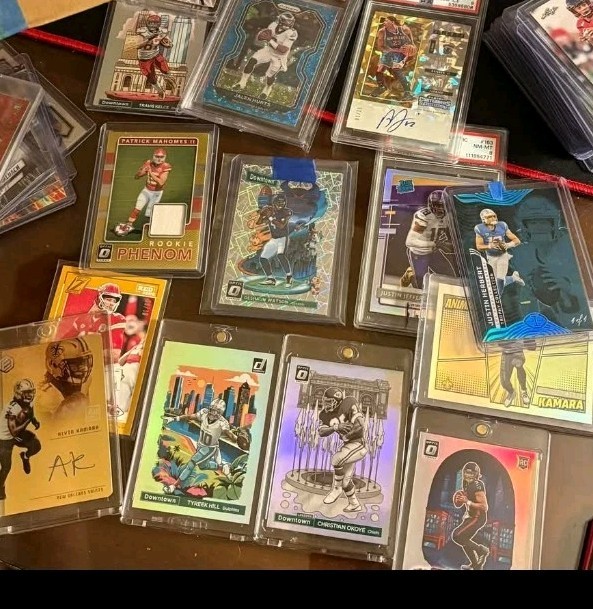


eBay links are affiliate links: JunkPal may earn a commission at no cost to you.
Resale values related to lightly played
Shop lightly played on eBay ↗




JunkPal may earn a commission when you buy through eBay links, at no extra cost to you.
What’s worth the most
Ranked on medians of real closed eBay sales, not asking prices.