What does “legendary rare” mean?
What it means
"Legendary rare" is a high-tier classification for trading cards, indicating extreme scarcity and intense collector demand. It is not merely "rare"; it signifies a card that exists in extremely limited print runs, often less than a few hundred copies globally. This designation typically applies to error cards, ultra-low numbered parallels (e.g., /10 or /50), or promotional exclusives that were never widely distributed. The mainstream equivalent is "ultra-premium collectible." The scarcity is inherent to the card's production run, not just its perceived desirability.
What it does to price
The rarity acts as a massive price multiplier. For a common card, a graded, high-grade copy might fetch a baseline value. A legendary rare, even in a lower grade, can command 10x to 50x that baseline value depending on the specific set's market saturation. A CIB (Complete Inner Box) copy of a legendary rare can easily fetch 3x to 10x the price of the same card loose, provided the packaging is pristine. Value is pushed up by documented provenance (e.g., "from a known collection") and high-grade certification (PSA 10, BGS 9.5+). A single ding or corner wear on a legendary rare can cause a 30-50% immediate drop in realized sale price.
How to spot it
Identification requires verifying production details. Look for specific foil patterns, unique card stock textures, or explicit numbering on the card surface (e.g., "1/50"). For highly sought-after variants, check the card's reverse for specific, non-standard text or color shifts. Always request high-resolution, unedited photos of the front, back, and edges. Common mistakes include mislabeling a high-grade chase card as a standard pull, or selling an intentionally manufactured "fake" variant that mimics a genuine error.
Buying smart
Paying a premium for a legendary rare is justified when the card is certified by a top-tier grading company (PSA, BGS, SGC) and the market data supports the asking price based on recent sales records for that specific grade. It is not worth the premium if the seller cannot provide verifiable proof of authenticity or if the asking price is significantly above established auction averages. A fair deal involves a price within 10-15% of the average realized price for the same card/grade combination in the last three months.
Selling smart
The primary method of maximizing return is third-party authentication. Selling a legendary rare through a recognized grading service (e.g., PSA 10) instantly validates its worth, often allowing the seller to command a 2x to 5x premium over an ungraded, "raw" copy. The single most valuable element in a listing is the clear, high-resolution image of the certification label. Listing the card as "Graded [Grade]" rather than just "Raw" is the difference between a speculative sale and a verified asset sale.
On eBay right now
Current asking prices from live listings — not sold-comp medians.
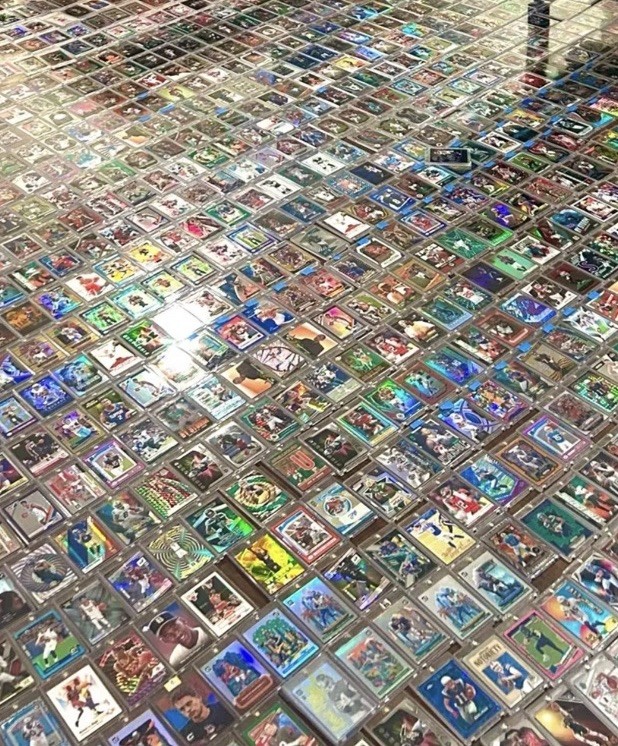
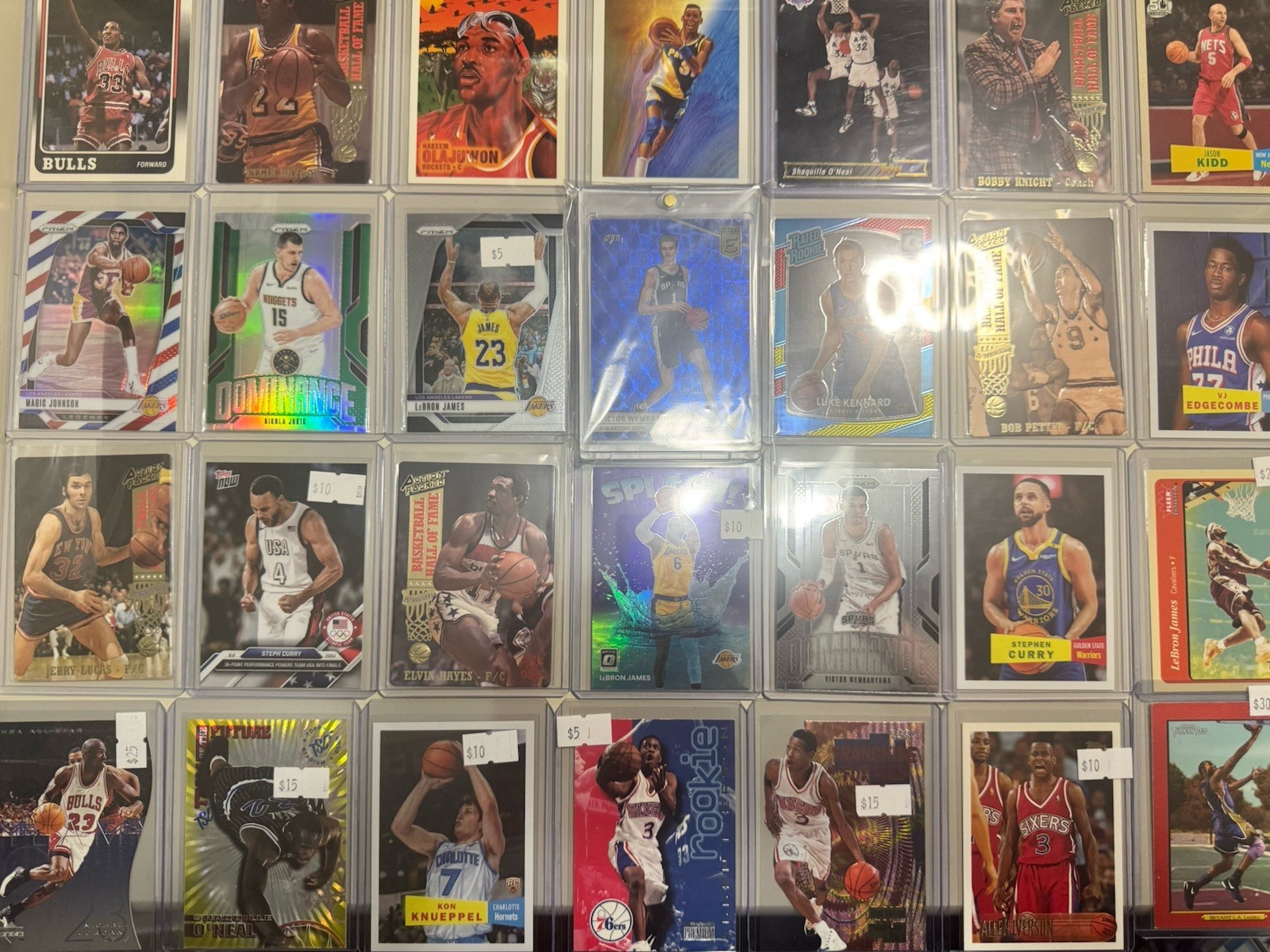

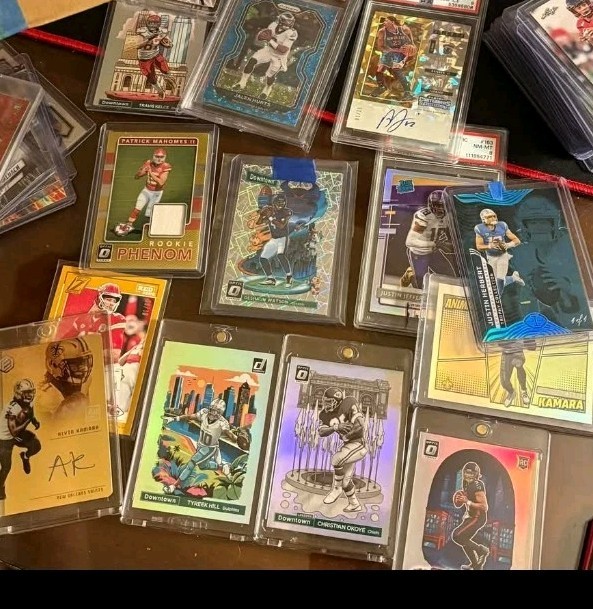


eBay links are affiliate links: JunkPal may earn a commission at no cost to you.
Resale values related to legendary rare
Shop legendary rare on eBay ↗




![Charizard [Sparkle] #6](/api/images/junkpal-products/cards/charizard-sparkle-6-pokemon-2000-topps-chrome-card/img0/thumb.webp)
JunkPal may earn a commission when you buy through eBay links, at no extra cost to you.
What’s worth the most
Ranked on medians of real closed eBay sales, not asking prices.