What does “legal copy” mean?
What it means
"Legal copy" in trading cards means the card is an officially sanctioned, genuine product released by the card manufacturer. It is the direct, authorized version intended for the public market. This is not merely about the card not being a counterfeit; it encompasses adherence to the entire production standard. This includes correct card stock, approved printing processes, accurate artwork, and inclusion of any mandatory legal markings or edition identifiers. The mainstream equivalent is simply "authentic" or "official release." A card that deviates from these standards—such as being a promotional variant not officially cataloged, or a print run error—is technically non-legal in the strictest sense, though it may hold collectible value as an error.
What it does to price
Authenticity is the baseline requirement for any sale; a non-legal or fake card has zero market value. A genuine, legal copy establishes the floor price. The premium for a *perfectly* legal copy, especially when graded, is substantial. For a mid-tier card, a certified legal copy can fetch 1.2x to 2x the price of an ungraded, unverified copy. Factors pushing the price up include high-demand sets and pristine condition. A card with a verifiable, official serial number or holographic pattern matching the release sheet commands a higher price. Conversely, a legal copy with obvious, uncorrected printing flaws (e.g., miscuts, color shifts) will see its value drop 20-40% compared to a perfect specimen.
How to spot it
Spotting a legal copy requires detailed inspection. Check the card edges for consistent cutting and alignment. Verify the print quality under magnification; official prints exhibit consistent ink density and registration across the card. Holographic elements must match the known pattern for that specific card/set combination. Common tells for fakes include blurry printing, inconsistent card stock thickness, or incorrect font usage on the text boxes. For high-value items, sellers must provide high-resolution photos of the back, showing any manufacturer logos or batch codes, and close-ups of the front corners to confirm sharpness and print fidelity.
Buying smart
Paying a premium for a legal copy is justified when the card is a key piece of a recognized, high-value set, or when the card is being purchased for grading. If the card is a common, low-value pull, the premium for "guaranteed legal" often outweighs the small increase in value. A fair deal means the asking price reflects the known market value for that specific card *in its condition*, with the "legal" status being a confirmation of baseline authenticity, not the primary value driver unless the card is rare or graded. If the seller cannot provide clear proof of its official origin, the price should be discounted by at least 15%.
Selling smart
Proving legality transforms a speculative listing into a trustworthy transaction. Buyers pay a premium for the reduced risk. The single most effective element in a listing is a clear, well-lit photograph showing the card's back, focusing on any official copyright dates, manufacturer stamps, or batch identifiers. Stating "Officially Licensed Release" or "Verified Legal Copy" in the title immediately signals quality to serious buyers. This verification allows the seller to command the full, established market price, as the buyer does not need to perform the due diligence required to confirm the card is not a counterfeit.
On eBay right now
Current asking prices from live listings — not sold-comp medians.

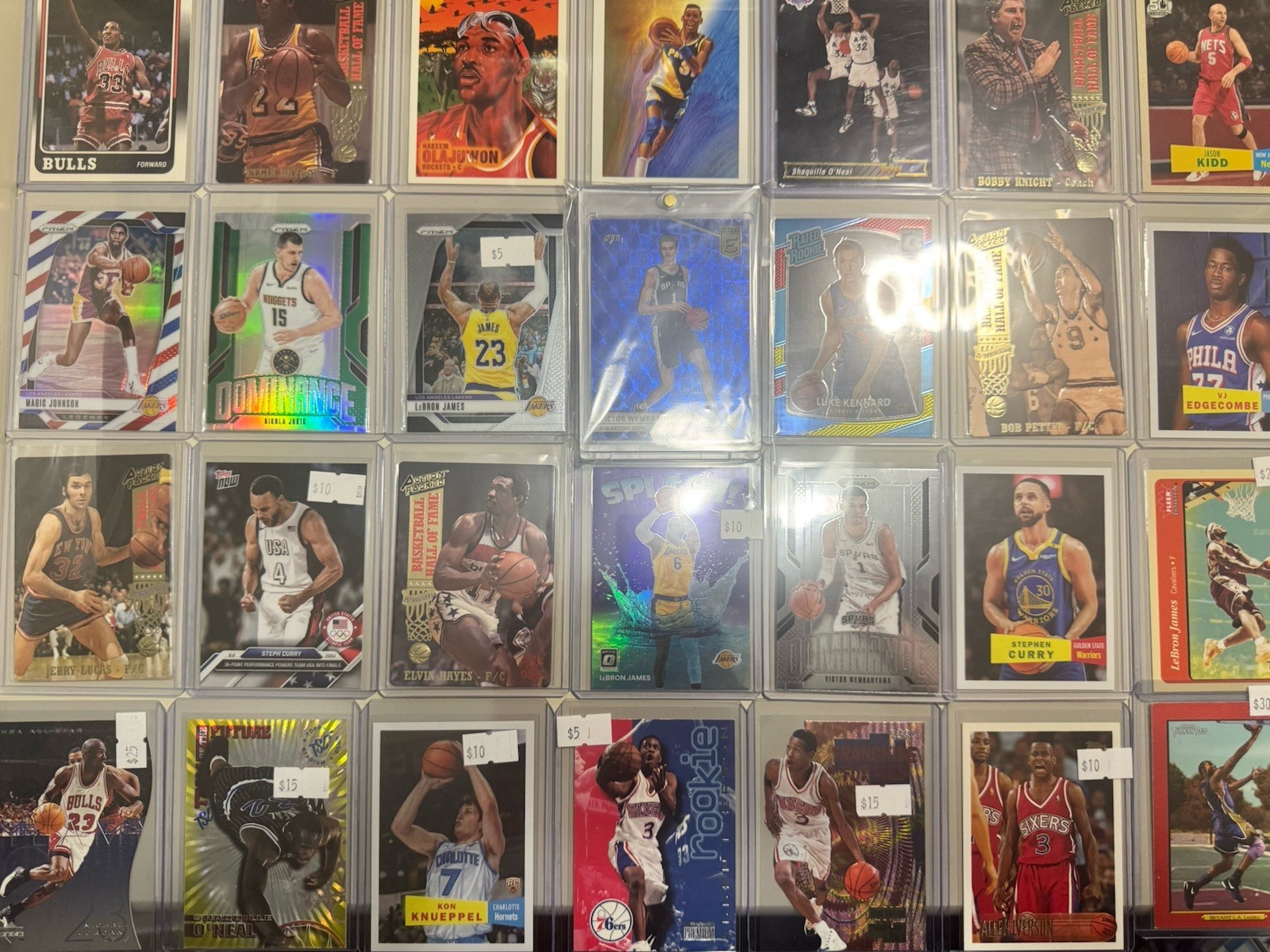

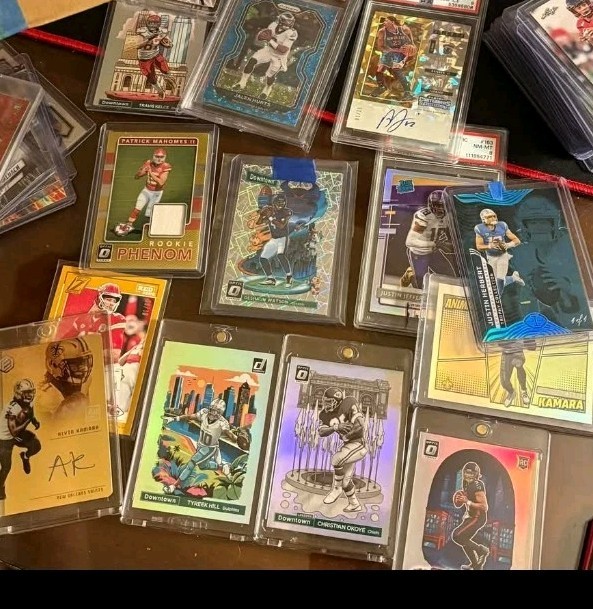


eBay links are affiliate links: JunkPal may earn a commission at no cost to you.
Resale values related to legal copy
Shop legal copy on eBay ↗




![Espeon [Gold Star] #16](/api/images/junkpal-products/cards/espeon-gold-star-16-pokemon-pop-series-5-card/img0/thumb.webp)

JunkPal may earn a commission when you buy through eBay links, at no extra cost to you.
What’s worth the most
Ranked on medians of real closed eBay sales, not asking prices.