What does “land base” mean?
What it means
"Land base" refers to the specific, original expansion or set a trading card belongs to. In collectible card games, this set dictates the card’s initial print run and its inherent rarity tier. The term is not about the game mechanic of "lands" (resource cards) but the physical set the card was released in. For collectors, the land base is the primary identifier of a card's provenance. A card from a foundational, early, or deliberately limited land base possesses a different market value than the same card printed in a later, bulk reprint set. It is the card's birth certificate in the collecting market.
What it does to price
The land base acts as a direct multiplier on a card's base value. A card from a highly desirable, early land base can fetch 3x to 10x the price of the same card from a modern, common reprint set, assuming all other conditions (grading, centering) are equal. For example, a common utility card might sell for $1.00 loose from a recent set, but if it originates from the initial, scarce land base, that same card could easily command $15–$25. Factors pushing the price up include the land base being a "core set" (first printing) or a limited edition run. Price decreases occur when the land base is known to be a massive, high-volume reprint.
How to spot it
The definitive tell is the set symbol or name printed on the card, usually in the upper corner. Collectors must verify this against known set lists. Look for specific print variations; early print runs sometimes have different card stock or subtle differences in the artwork registration compared to later printings within the same set. Sellers should provide a high-resolution photo of the set symbol. Common mistakes involve confusing a modern reprint set with the original, scarce land base. Fakes often mimic the art but fail to accurately replicate the specific set numbering or set symbol font.
Buying smart
Paying a premium for a specific land base is justified when the card is a key piece of a known, high-value collection, or when the land base itself is historically significant (e.g., a "chase" set). If the card is functionally common in the game but only valuable due to its print run, the premium must be proportional to the scarcity. A fair deal involves the asking price being within 20% of established market averages for that specific land base. If the price exceeds 50% above the known reprint value without clear justification (like perfect grading), the premium is likely inflated.
Selling smart
Proving the land base in a listing immediately elevates the perceived value. Buyers pay more for certainty of provenance. The single most effective element to include is a clear, focused photo of the set symbol area, zoomed in to show the print quality of the set identifier. Using the specific land base name in the title (e.g., "Ultra Rare [Card Name] - Alpha Land Base") is crucial. This specific nomenclature allows buyers to filter searches precisely, ensuring the listing reaches the niche audience willing to pay the scarcity premium.
On eBay right now
Current asking prices from live listings — not sold-comp medians.
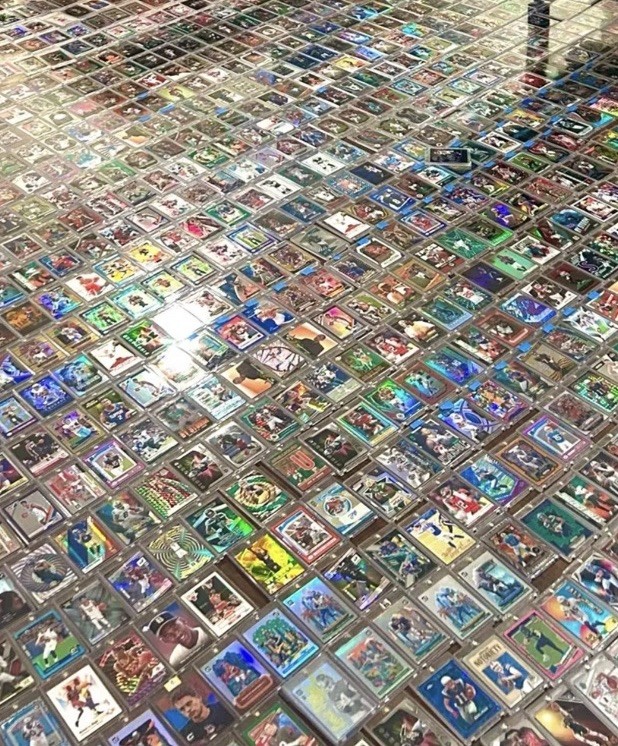
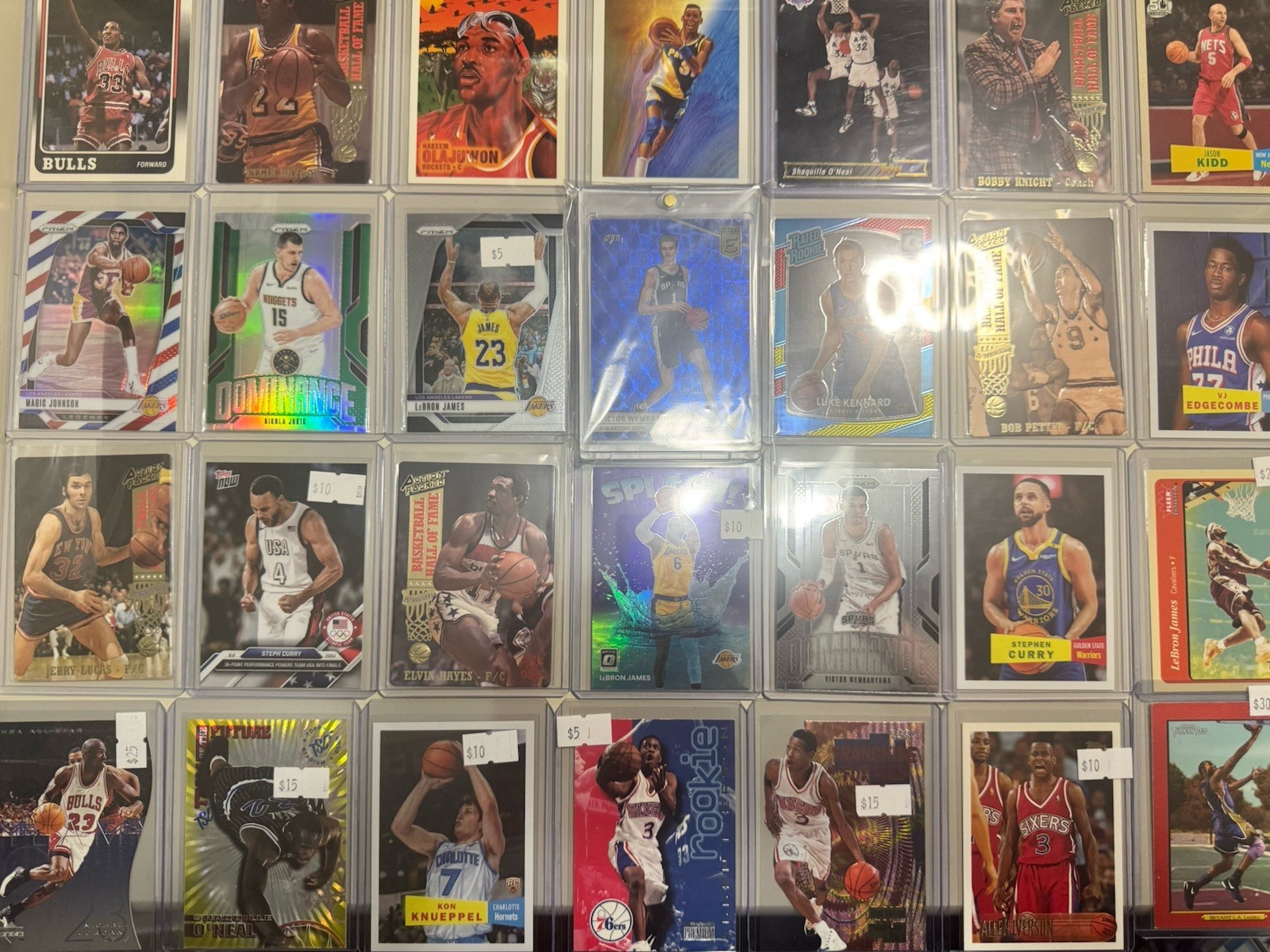

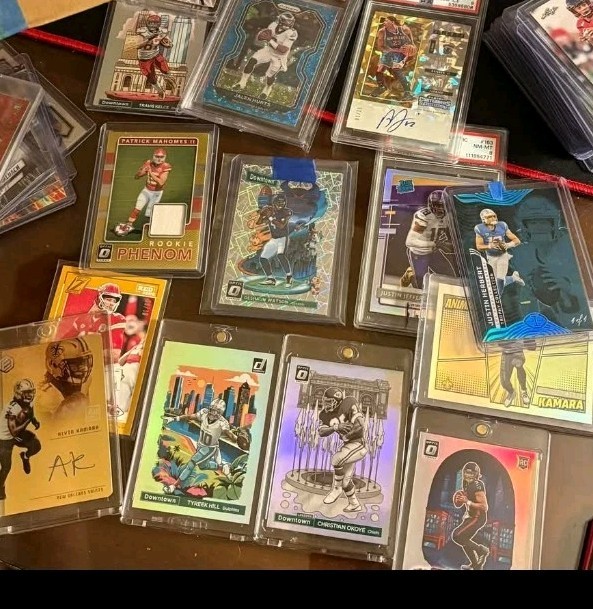


eBay links are affiliate links: JunkPal may earn a commission at no cost to you.
Resale values related to land base
Shop land base on eBay ↗







JunkPal may earn a commission when you buy through eBay links, at no extra cost to you.
What’s worth the most
Ranked on medians of real closed eBay sales, not asking prices.