What does “key card status” mean?
What it means
Key card status is the designation of a trading card’s inherent scarcity or historical importance within a specific set. It is not synonymous with condition grading (e.g., PSA 10). Instead, it defines *what* the card is: a rookie card (RC), a parallel variant, an insert, or a short print run (SP). Mainstream collectors view this as the card's "type," while resellers view it as the primary value driver. A card’s key status dictates its ceiling value; a common card, regardless of condition, has a low ceiling, whereas a highly sought-after RC has a high ceiling even if its condition is imperfect.
What it does to price
Key status applies a significant, often non-linear, multiplier to a card's base value. A standard, common card might sell for $1-$5 loose. If that card possesses a high key status—for example, being a modern rookie parallel—the price can jump 5x to 20x or more, depending on the specific variant. A base card worth $100 might become $500 if it is an authenticated, low-numbered insert. Conversely, a card with a high key status but an obvious printing error or known distribution issue can see its value drop by 30-50% compared to a clean example.
How to spot it
Key status is confirmed by specific identifiers. Rookie cards are usually identified by the player’s first appearance in a set. Parallel variants are identified by color coding, foil patterns, or numbering (e.g., /10, /50). Inserts are marked by unique design elements separate from the main set card. Sellers must provide high-resolution images showing the card’s edges, corners, and any visible numbering or unique print features. Common mistakes include misidentifying a common parallel as a rare short print run, or failing to note if a card is a "reprint" rather than an original issue.
Buying smart
Paying a premium for key status is justified only when the card's scarcity is verifiable and the market demand is proven. If a card is listed as a "Chase Card" but lacks clear evidence of low print run numbers or unique design elements, the premium is likely inflated. A fair deal involves the asking price being within 1.5x to 2x the established market average for that specific key status variant. If the price exceeds 3x the average, rigorous due diligence on the scarcity claim is mandatory.
Selling smart
Proving key status in a listing is the single most effective way to maximize returns. Simply stating "RC" is insufficient. Listings must specify the exact variant, the numbering (e.g., "Base Rookie /10"), and ideally, reference the card’s known scarcity tier. The most valuable supporting evidence is a clear, focused photo highlighting the unique identifier—the numbering, the specific foil texture, or the unique insert design—that confirms its status beyond the standard card image.
On eBay right now
Current asking prices from live listings — not sold-comp medians.

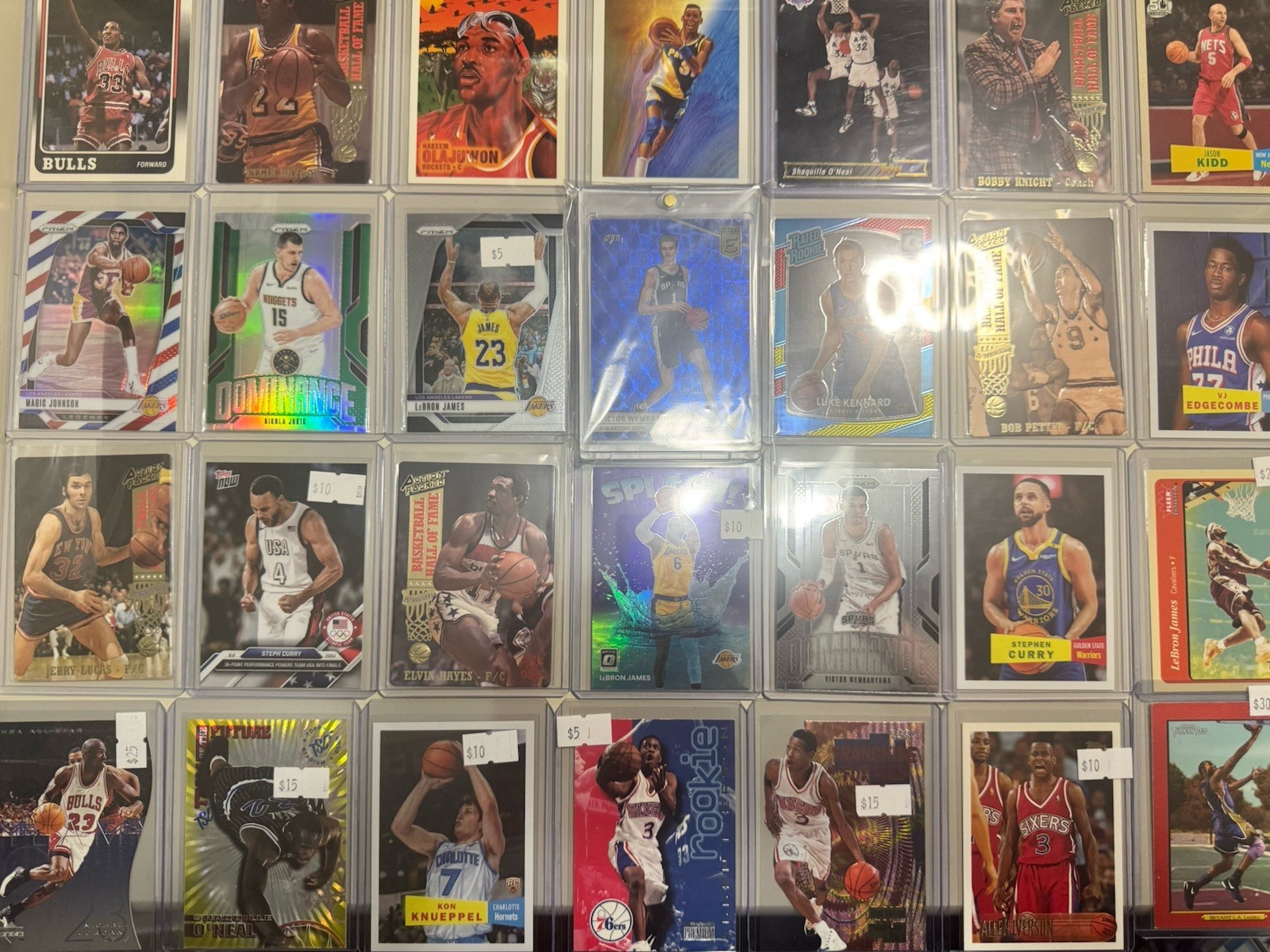
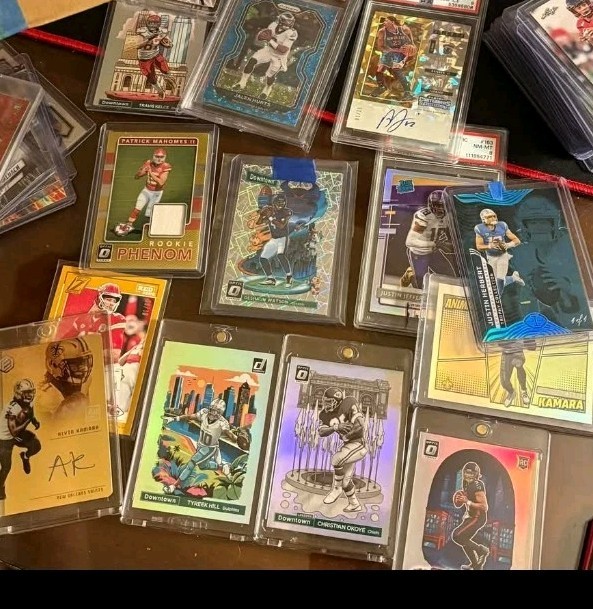



eBay links are affiliate links: JunkPal may earn a commission at no cost to you.
Resale values related to key card status
Shop key card status on eBay ↗




![Mysterious Girl Illyasviel SP (Fate/stay night [Heaven’s Feel])](/api/images/junkpal-products/tcgcsv/mysterious-girl-illyasviel-sp-205745-tcg/img0/thumb.webp)


JunkPal may earn a commission when you buy through eBay links, at no extra cost to you.
What’s worth the most
Ranked on medians of real closed eBay sales, not asking prices.