What does “key card” mean?
What it means
A key card is a specific, non-standard variant within a trading card set that commands a higher market value than the standard print run. This is not merely a chase card; it is a specific, identifiable deviation from the base set design. Key characteristics include serial numbering (e.g., /10), specific printing errors (e.g., color shifts, missing registration), unique parallel treatments (e.g., specific foil patterns), or inclusion in a strictly limited promotional run. The mainstream equivalent of a key card is a "variant" or "error card," but the term "key card" implies a recognized, cataloged scarcity within the community.
What it does to price
The presence of a key card designation applies a significant multiplier to the base card value. For a common card, a verifiable key card version can see a price increase ranging from 3x to 15x the standard ungraded loose price, depending on the level of scarcity (e.g., a 1/10 key card versus a 1/500 parallel). A minor error, such as a slight centering issue that is cataloged as a key variant, might only add 1.5x to the price. Conversely, a card misidentified as a key card but lacking verifiable proof (e.g., a seller claiming it is a serial number when it is not) will sell for the base price or less.
How to spot it
Identification relies on specific, verifiable markers. Serial numbering must be present and match the set's known distribution parameters. Print errors require high-resolution photography showing the flaw under magnification. Holographic treatments must match documented die-cuts or foil patterns for that specific variant. Sellers must provide images of the card's edges and back to confirm authenticity and check for tampering. Common mistakes include confusing a standard parallel (which is intentional) with a true printing error (which is accidental). Fakes often replicate the visual look but lack the verifiable, unique identifying mark.
Buying smart
Paying a premium for a key card is justified only when the card's status is 100% verifiable and the associated risk of misidentification is negligible. If the card is only *suspected* to be a key card, the premium should be minimal, reflecting the risk. A fair deal requires the seller to provide the specific evidence (e.g., a photo of the serial number) that justifies the higher price point. If the price increase is more than 5x the base value without irrefutable proof, the purchase is likely speculative gambling.
Selling smart
Listing a key card requires documentation to validate the premium. The listing description must explicitly state *why* the card is a key card (e.g., "Serial Number /50," "Registration Error"). The single most valuable asset in a listing is a high-resolution, well-lit photograph clearly showing the unique identifying feature—the serial number or the specific error. This proof shifts the transaction from a speculative sale to a documented asset transfer, allowing the seller to command the maximum market premium.
On eBay right now
Current asking prices from live listings — not sold-comp medians.

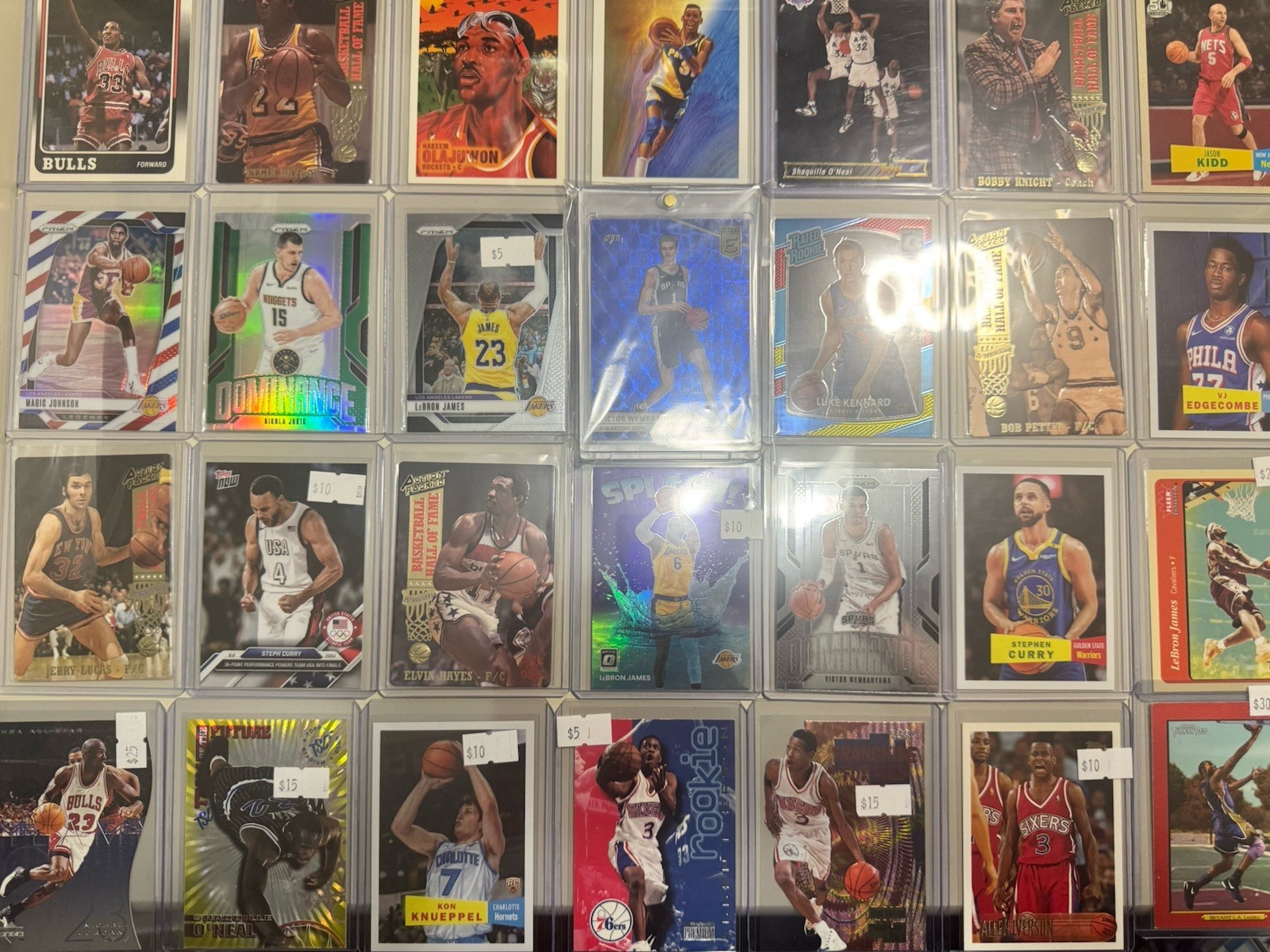
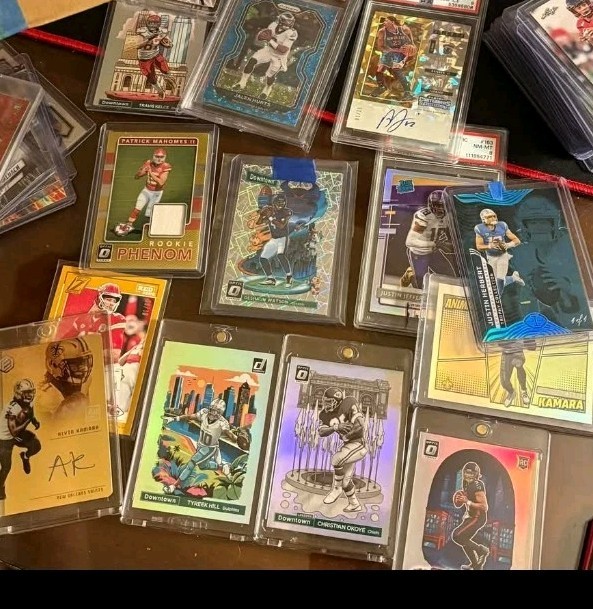



eBay links are affiliate links: JunkPal may earn a commission at no cost to you.
Resale values related to key card
Shop key card on eBay ↗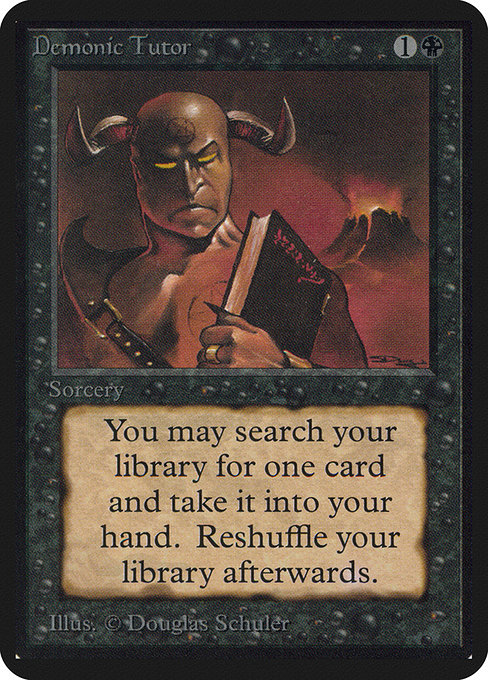

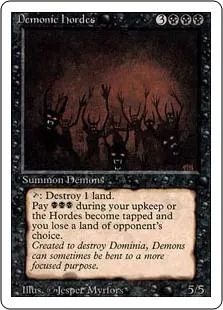



JunkPal may earn a commission when you buy through eBay links, at no extra cost to you.
What’s worth the most
Ranked on medians of real closed eBay sales, not asking prices.