What does “investment grade card” mean?
What it means
An investment grade card is a trading card that has been submitted to and certified by a major third-party grading service (e.g., PSA, BGS, SGC). The card receives a numerical score, typically 9 or higher, which quantifies its physical condition across centering, corners, edges, and surface integrity. This grade is not subjective opinion; it is an objective, third-party assessment. The mainstream equivalent of this niche concept is "certified condition." For collectors, the grade transforms the card from a collectible item into a verifiable asset.
What it does to price
The grade is the primary driver of market value. A high-grade copy (e.g., PSA 10) commands substantial premiums over its ungraded or lower-graded counterpart. For a sought-after rookie card, a CIB (Certified Investment Grade) copy can fetch 2x to 5x the price of a raw, ungraded copy, depending on the card's base rarity. Factors that push the price up include a perfect grade (10), high population scarcity within that grade, and strong market demand for the specific player/set. A drop from a 10 to a 9 can sometimes result in a 30-50% price decrease. For example, a specific vintage card might sell for $1,500 raw, but the PSA 10 version could easily reach $3,500.
How to spot it
The definitive tell is the plastic slab itself. Investment grade cards arrive encased in a tamper-evident holder provided by the grading company, complete with a unique certification number. Sellers must provide clear photos of both the card *inside* the slab and the slab's label/certificate. Common issues include "slab tampering" (where the card is swapped after grading) or misrepresentation (selling a raw card as graded). Always cross-reference the certificate number on the slab with the grading company’s online database to confirm the card's authenticity and assigned grade.
Buying smart
Paying a premium for an investment grade card is justified when the card is a blue-chip asset—a highly desirable, scarce rookie card with sustained long-term demand. If the card is a common chase card with low historical sales volume, the premium may not be worth the risk. A fair deal involves the asking price reflecting the market average for that specific grade (e.g., PSA 9 vs. PSA 10) and the card's rarity tier. If the premium is disproportionately high compared to comparable sales data for the same grade, the purchase is likely inflated.
Selling smart
Listing a card as "Graded PSA 10" instantly shifts the buyer's perception from "potential collectible" to "verified asset." This verification allows sellers to command top-tier pricing, often bypassing the negotiation phase common with raw cards. The single most valuable element in a listing is a high-resolution photograph of the card *inside* the graded slab, clearly showing the grading company's logo and the numerical score. This photo provides immediate, undeniable proof of condition and authenticity.
On eBay right now
Current asking prices from live listings — not sold-comp medians.
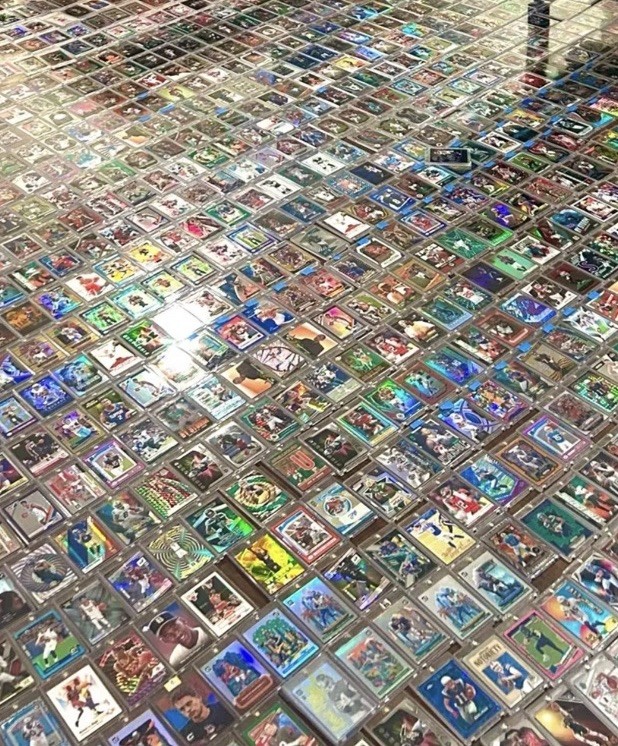
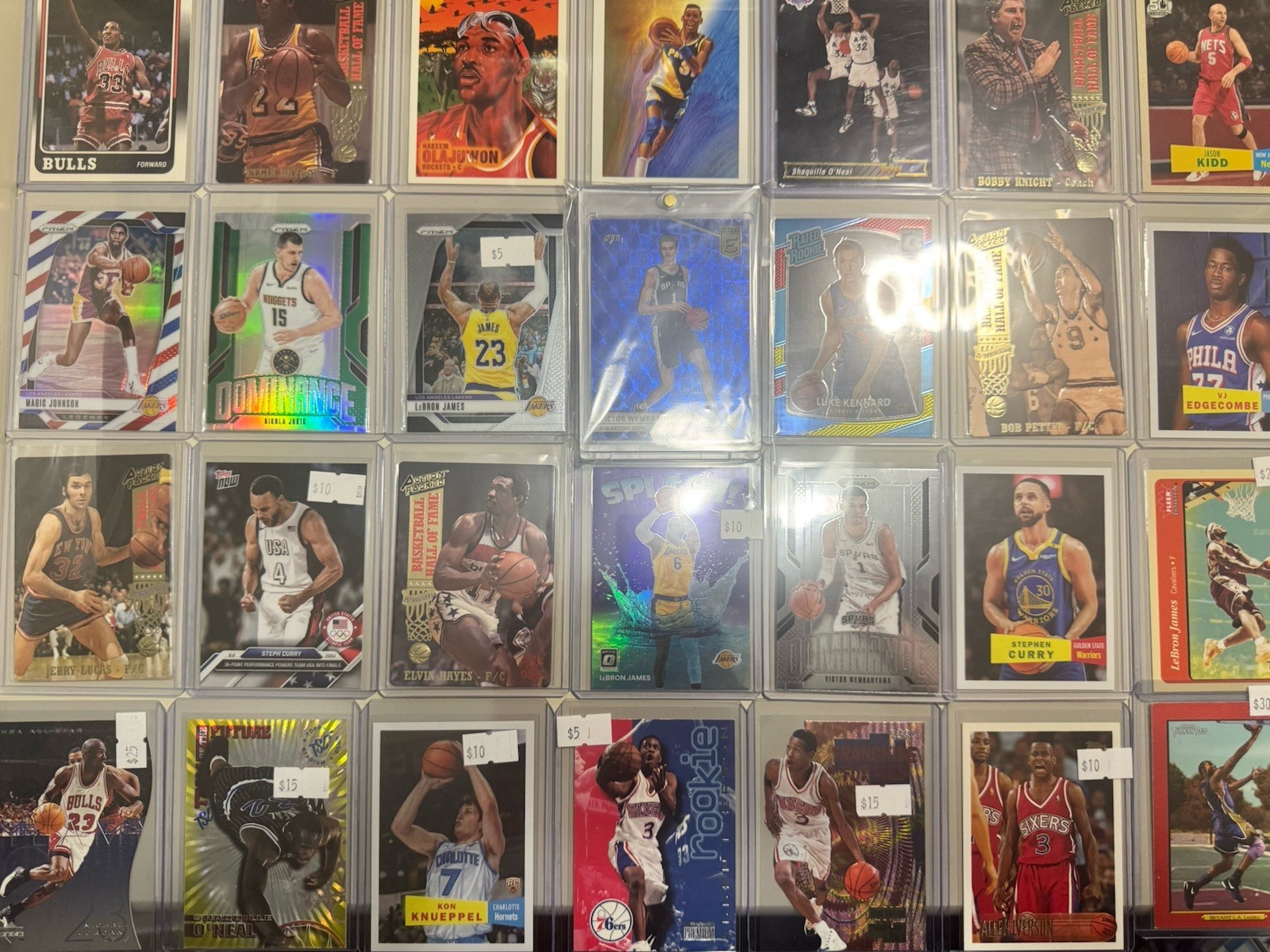

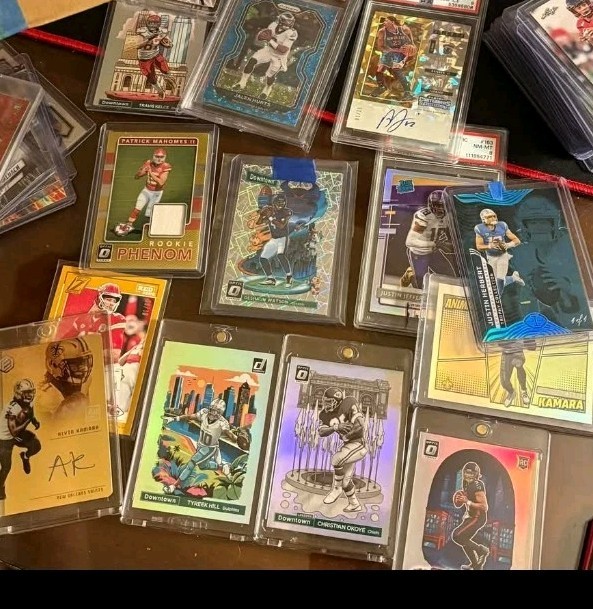


eBay links are affiliate links: JunkPal may earn a commission at no cost to you.
Resale values related to investment grade card
Shop investment grade card on eBay ↗


![Rhydon [Tekno] #112](/api/images/junkpal-products/cards/rhydon-tekno-112-pokemon-2000-topps-chrome-card/img0/thumb.webp)

JunkPal may earn a commission when you buy through eBay links, at no extra cost to you.
What’s worth the most
Ranked on medians of real closed eBay sales, not asking prices.