What does “investment grade” mean?
What it means
"Investment grade" in trading cards refers to cards professionally graded and authenticated by a major third-party service (PSA, BGS, SGC). The designation requires the card to achieve the highest attainable numerical score, typically a 9 or 10. This score is not subjective; it is a standardized assessment of the card's physical condition. It guarantees near-perfection across key criteria: centering (how well the image is placed within the borders), corners (sharpness and integrity), edges (straightness and nicks), and surface (print quality and lack of scratches or print defects). For resellers, this is the verifiable proof of quality and scarcity. The mainstream equivalent is "mint" or "gem condition," but the grading company provides the objective, third-party verification.
What it does to price
The grade acts as a concrete multiplier on the card's base market value. A high-grade, authenticated card typically commands a 2x to 10x premium over a raw (ungraded) copy of the same card, depending on the card's inherent rarity. For a common rookie card, a PSA 10 might fetch 3x the price of a raw copy. For a highly sought-after, low-population card, the premium can be exponential. A specific example: a base rookie card that sells raw for \$50 might sell as a PSA 10 for \$150–\$300, depending on market demand and population reports. Factors that push the price higher include flawless centering and perfect surface clarity.
How to spot it
The primary tell is the official, sealed slab provided by the grading company. The slab contains a unique certification number. Sellers must provide a clear photo of this number matching the certificate. Common mistakes or fakes involve "slab-less" grading—where a seller claims a card is graded without providing the official certification. Counterfeits are rare but exist, usually involving fake grading labels. When assessing a listing, request high-resolution photos of the card *inside* the slab, specifically focusing on the corners and edges to confirm the grading company’s assessment aligns with visual inspection.
Buying smart
Paying the premium for investment grade is justified when the card is a blue-chip asset—a foundational, highly desirable card with proven long-term demand (e.g., top-tier rookie cards). If the card is niche, low-demand, or a modern, short-lived print, the risk-adjusted return on investment is often poor, and the premium may not be worth it. A fair deal means the asking price is within 10–20% of recent, comparable sales data for that specific grade and card. If the premium is excessive, the card is likely overpriced or the seller is capitalizing on condition anxiety.
Selling smart
Proving the grade in the listing is non-negotiable for maximizing return. The single most valuable element in a listing is the photograph of the card *within* its graded slab, clearly showing the grade and the certification number. This transforms the listing from a speculative sale to a verifiable asset transaction. Buyers pay the premium not for the card itself, but for the *guarantee* the slab provides. Listing the grade prominently (e.g., "PSA 10 GEM MINT") immediately filters out casual buyers and targets high-value collectors willing to pay the established market premium.
On eBay right now
Current asking prices from live listings — not sold-comp medians.
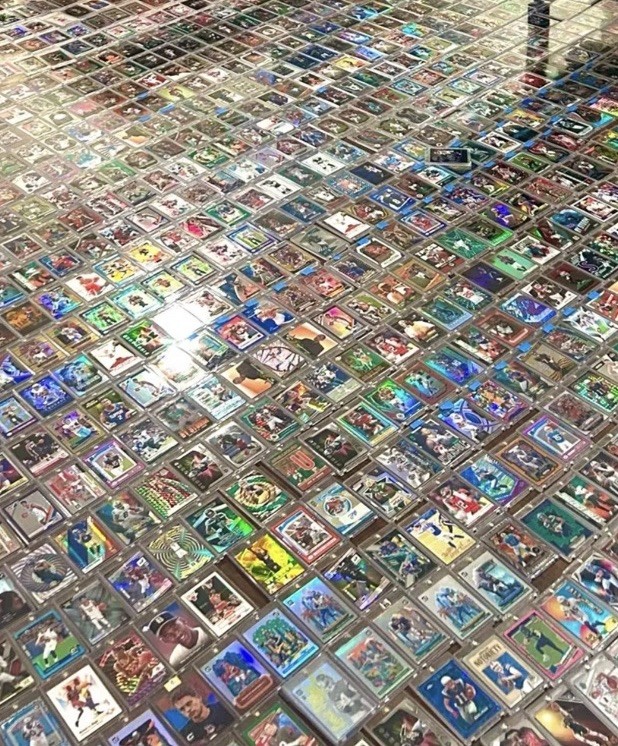

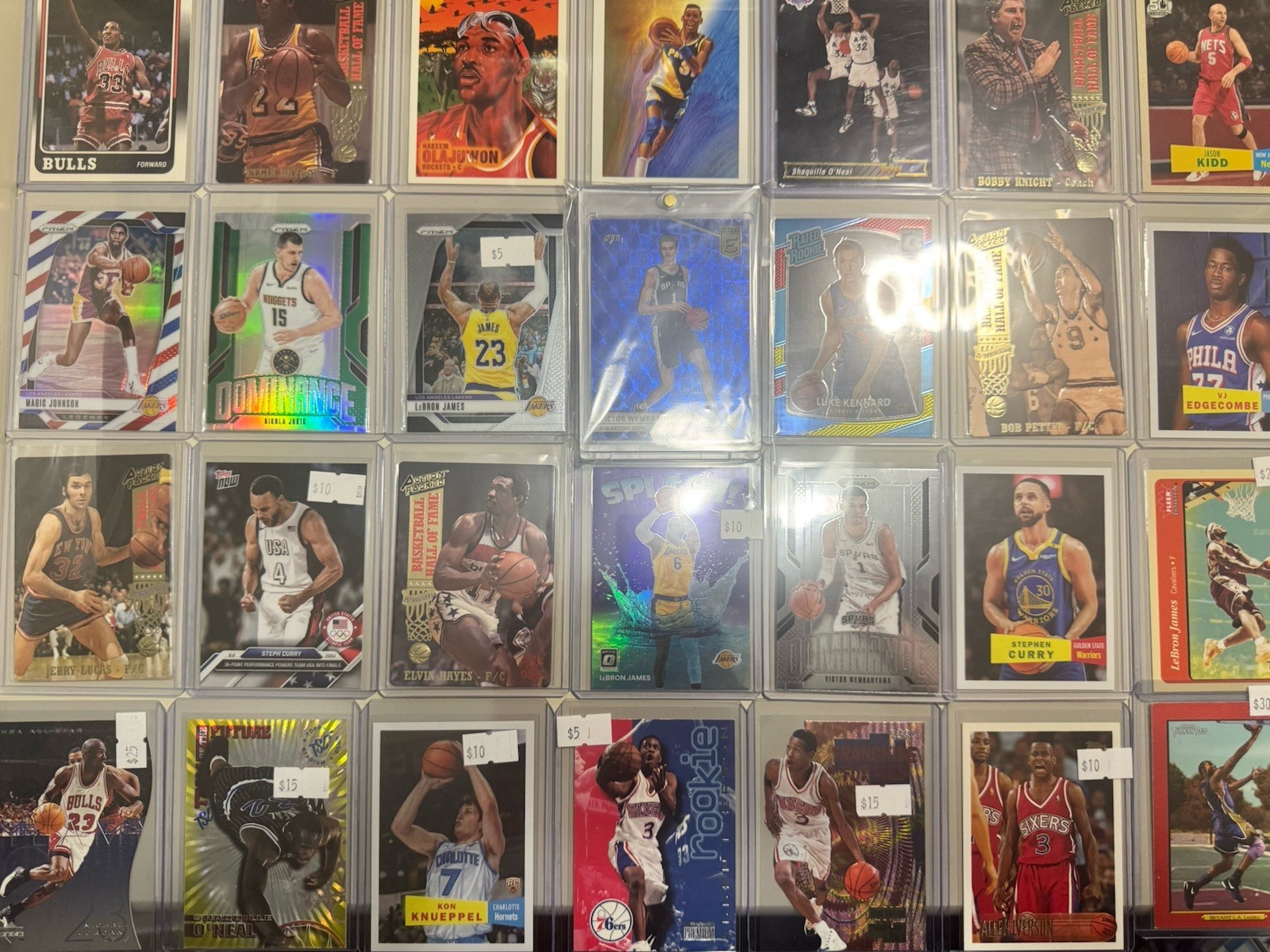
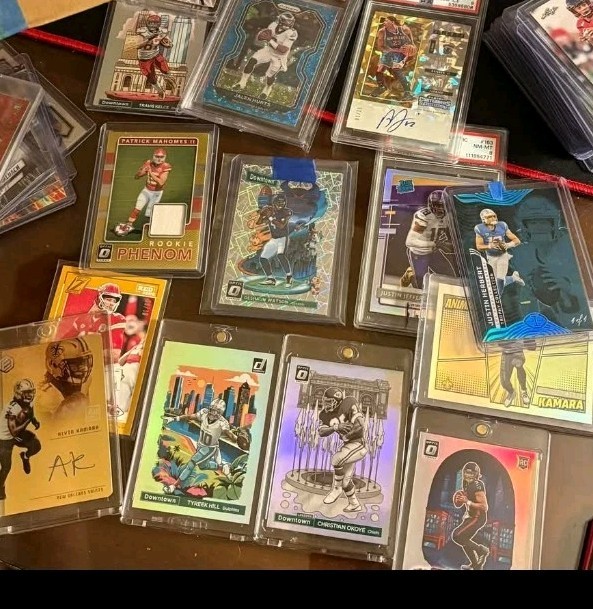


eBay links are affiliate links: JunkPal may earn a commission at no cost to you.
Resale values related to investment grade
Shop investment grade on eBay ↗

![Charizard [Spectra] #6](/api/images/junkpal-products/cards/charizard-spectra-6-pokemon-2000-topps-chrome-card/img0/thumb.webp)


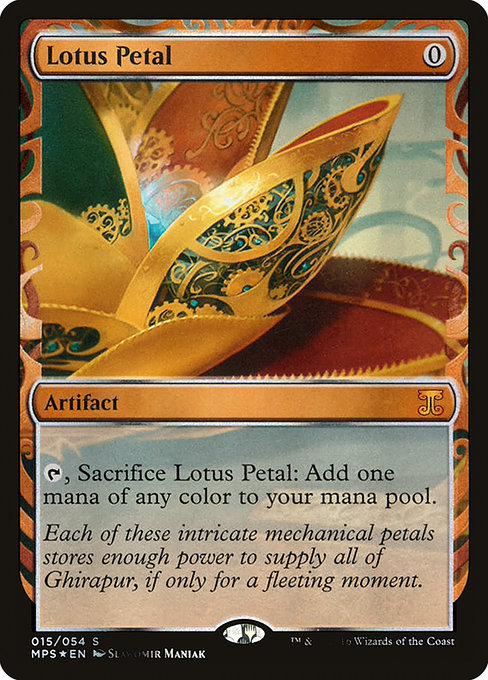
![Jolteon [Tekno] #135](/api/images/junkpal-products/cards/jolteon-tekno-135-pokemon-2000-topps-chrome-card/img0/thumb.webp)

JunkPal may earn a commission when you buy through eBay links, at no extra cost to you.
What’s worth the most
Ranked on medians of real closed eBay sales, not asking prices.