What does “insert” mean?
What it means
An insert is a non-standard card included within a sealed product, separate from the main numbered set cards. Unlike a standard base card, inserts are designated for special purposes: promotion, thematic variation, or limited distribution. They are not simply "chase cards"; while some inserts are rare, the term specifically denotes a card outside the primary set numbering structure. Mainstream equivalent: Special edition or promotional card. Value is driven by the card's specific designation—e.g., "Rookie Card Insert," "Promo Insert," or "Parallels."
What it does to price
The presence of a genuine, desirable insert can multiply a card's value significantly. A common, low-tier insert might add 1.2x to the base card value. A highly sought-after, limited-run insert (e.g., a specific event promo) can fetch 5x to 15x the value of the base card, depending on scarcity. Condition is the primary driver; a Near Mint (NM) insert can command 2x to 4x the price of a Lightly Played (LP) copy. For example, a standard base card selling for \$5 might sell for \$15–\$20 if it is a high-demand, low-print run insert in NM condition.
How to spot it
Inserts are identified by unique identifiers not found on standard set cards. Look for distinct text on the card surface (e.g., "Event Exclusive," "Promo Series 1," or a unique symbol replacing the standard set logo). Print runs are often lower, meaning fewer copies exist in circulation. Sellers must provide high-resolution images showing the card's edges and the back, specifically looking for any subtle printing variations or die-cuts that distinguish it from standard releases. Common mistakes include mislabeling a standard parallel as a special insert, or selling damaged inserts without disclosure.
Buying smart
Paying a premium for an insert is justified when the card possesses verifiable, documented scarcity. If the insert is tied to a major, short-lived event or a known, extremely limited print run (under 1,000 copies), the premium is warranted. Avoid paying high premiums for inserts that are widely distributed or easily found in bulk lots. A fair deal involves the asking price reflecting the documented scarcity *and* the card's grade. If a seller is vague about the insert's origin or print quantity, the risk is too high to justify a high purchase price.
Selling smart
To maximize return, the listing must clearly define the insert's nature. Do not simply list it as "Special Card." Use the exact designation (e.g., "2022 Event Promo Insert"). High-quality photography showing the card's front, back, and any unique markings is mandatory. The single most valuable addition to a listing is a photograph of the card alongside its original packaging (if available), which provides immediate, verifiable proof of its provenance and rarity.
On eBay right now
Current asking prices from live listings — not sold-comp medians.

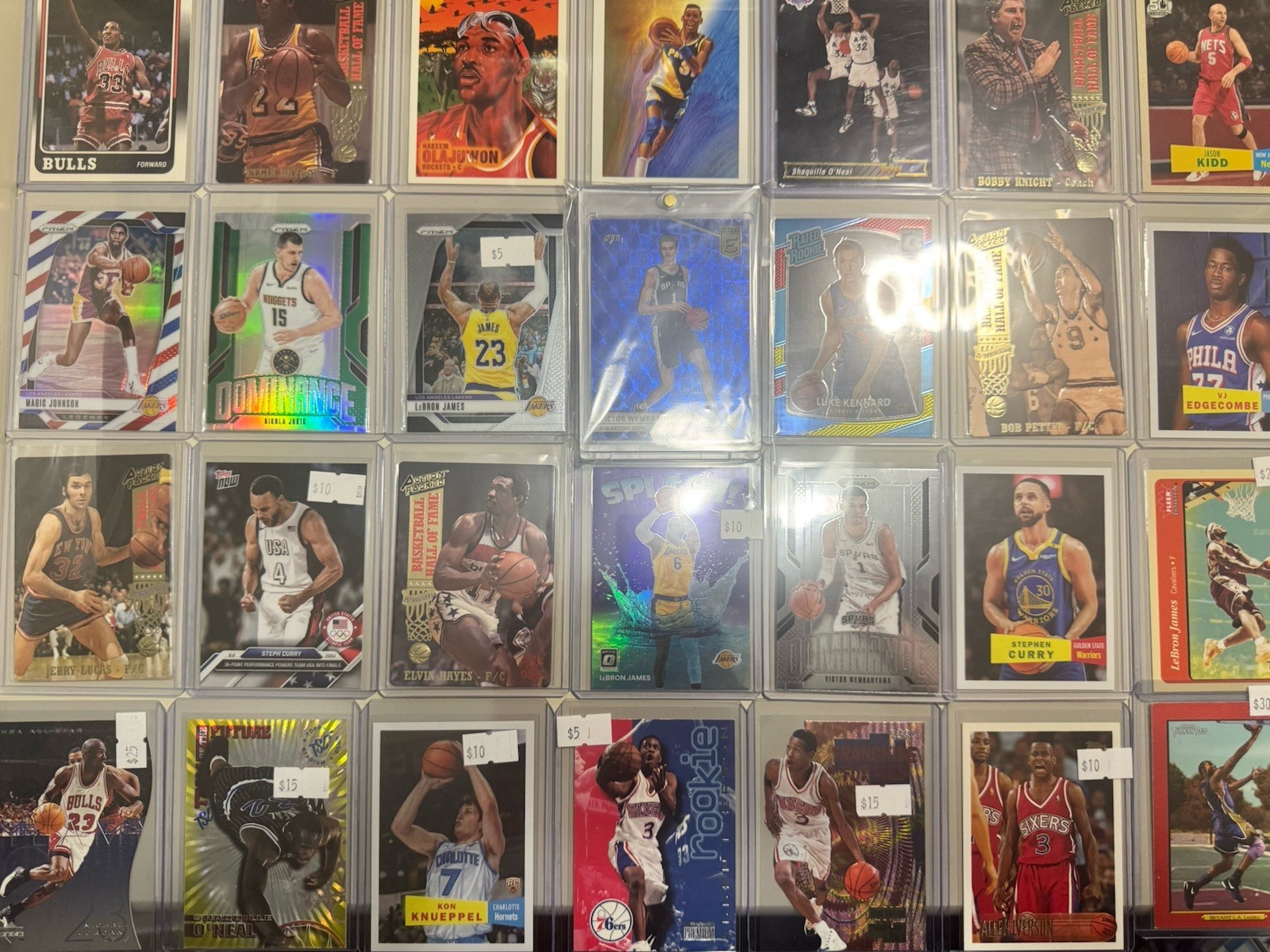
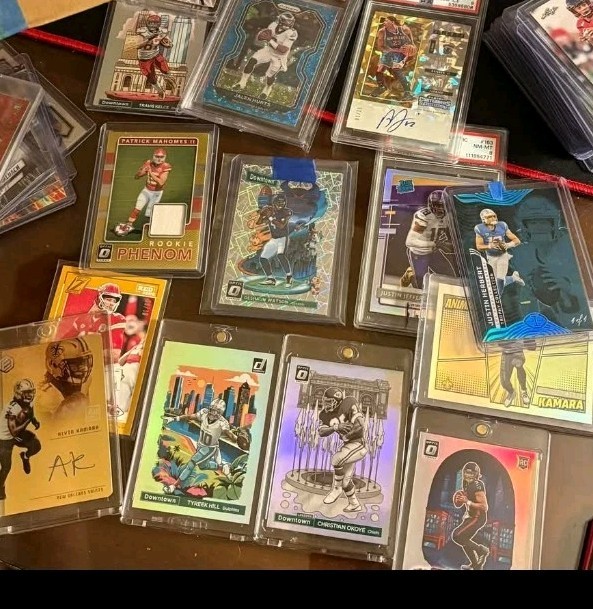

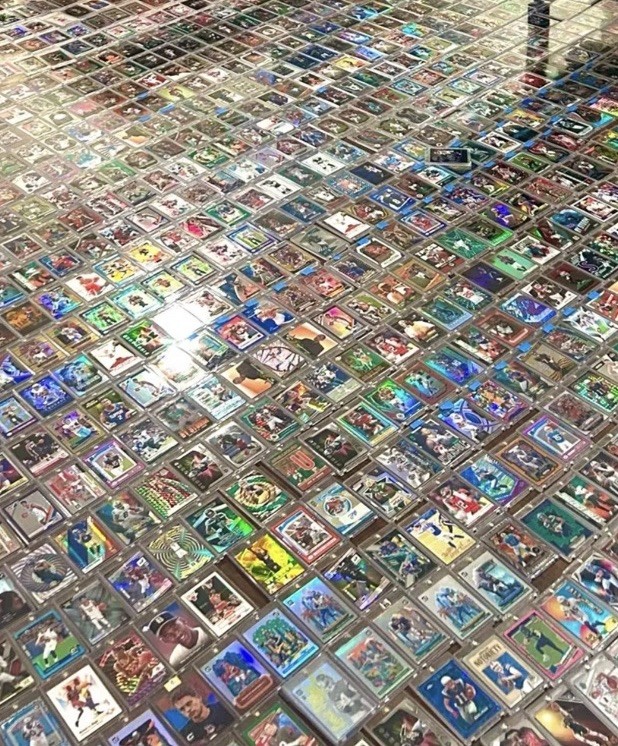

eBay links are affiliate links: JunkPal may earn a commission at no cost to you.
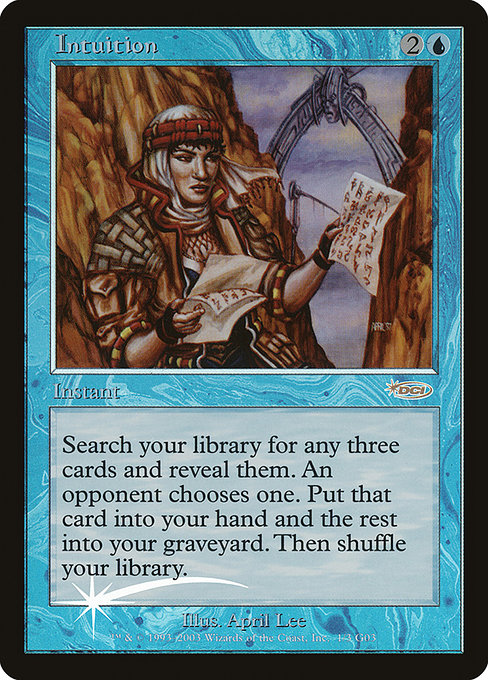
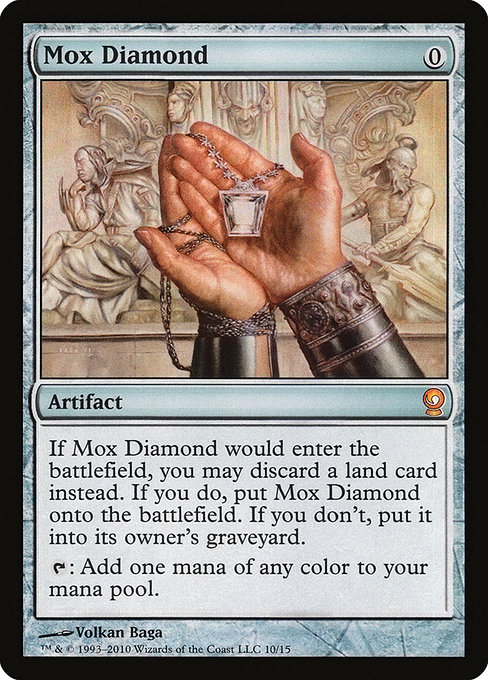
Resale values related to insert
Shop insert on eBay ↗



![Zapdos [Tekno] #145](/api/images/junkpal-products/cards/zapdos-tekno-145-pokemon-2000-topps-chrome-card/img0/thumb.webp)
JunkPal may earn a commission when you buy through eBay links, at no extra cost to you.
What’s worth the most
Ranked on medians of real closed eBay sales, not asking prices.