What does “immaculate” mean?
What it means
Immaculate in trading cards means the card presents as factory-fresh, exhibiting virtually zero signs of handling, wear, or environmental damage. This goes beyond "Near Mint" (NM). An immaculate card possesses razor-sharp corners, perfectly crisp edges, and a flawless surface free from scratches, print errors, or discoloration. Centering must be near-perfect—the image should be balanced within the card borders. This is the highest attainable condition outside of professional grading slabs. For resale, this is the benchmark for top-tier inventory.
What it does to price
Condition is the primary driver of value. An immaculate card commands a substantial premium over a card graded NM or LP (Lightly Played). Depending on the card's rarity, this premium can range from 50% to over 300% compared to a comparable, but flawed, copy. For a mid-tier, desirable card, the difference between an immaculate copy and a lightly played copy can easily exceed $50-$100. Factors that push the price up include perfect centering and flawless surface texture. Factors that immediately drop the price include any visible whitening on the edges or microscopic print lines.
How to spot it
Inspection requires magnification. Look for edge wear—even the slightest rounding or chipping disqualifies the card from being immaculate. Examine the surface under strong, direct light for print registration errors, smudges, or "print lines" (thin lines visible in the ink). Centering is verified by measuring the distance from the card edges to the image borders; immaculate cards typically fall within a 55/45 or better ratio. Sellers should provide high-resolution, well-lit photos showing all four corners and the card's surface area. Be wary of heavily filtered photos, which can mask surface imperfections.
Buying smart
Paying a premium for an immaculate card is justified only when the card is a high-demand, blue-chip asset (e.g., a chase rookie or a highly sought-after variant). If the card is common or has low market liquidity, the premium is often not worth the risk. A fair deal involves the asking price being within 15-25% of established market averages for graded 10s or high-grade raw copies. If the seller is asking for a price comparable to a professional PSA 10, but the card is raw, the risk assessment must account for the grading uncertainty.
Selling smart
To capture the maximum value, the listing must unequivocally prove the card's condition. The single most effective element is a dedicated, high-resolution photo taken under bright, natural light that clearly displays the four corners and the card's center. Use the word "Pristine" or "Flawless" in the description, backed by photographic evidence. Do not rely solely on the word "immaculate." If the card is truly flawless, the seller should consider having it professionally graded, as a slab provides instant, undeniable proof that justifies the highest possible price bracket.
On eBay right now
Current asking prices from live listings — not sold-comp medians.


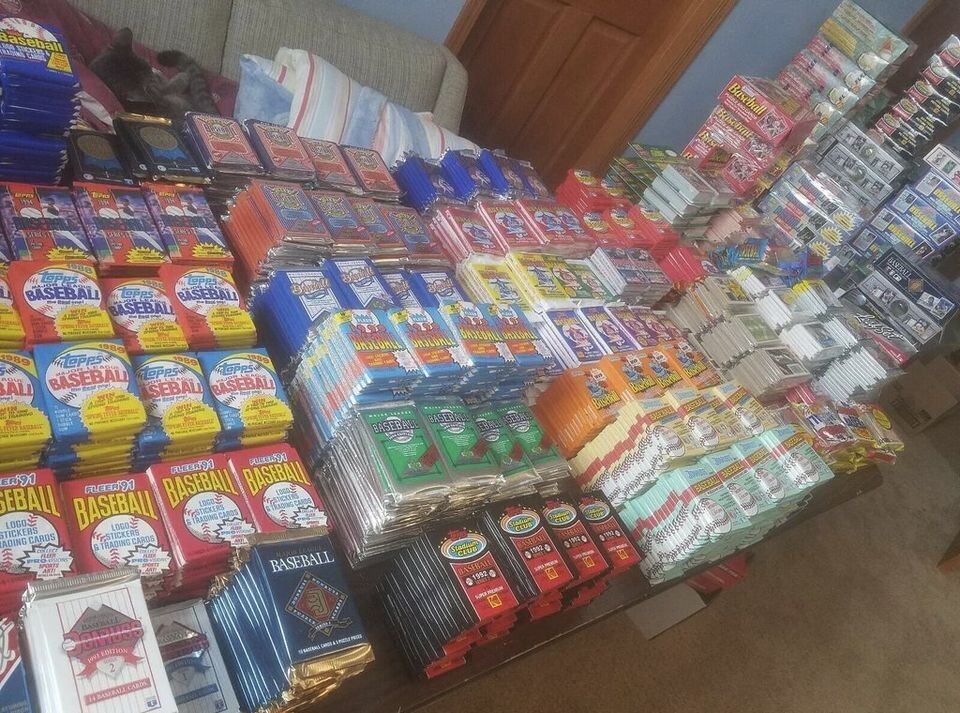


eBay links are affiliate links: JunkPal may earn a commission at no cost to you.
Resale values related to immaculate
Shop immaculate on eBay ↗

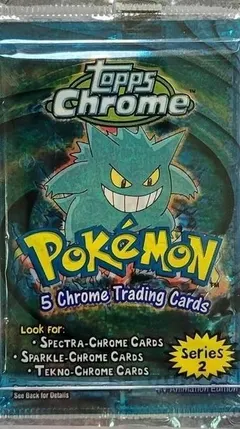



![Electabuzz [Tekno] #125](/api/images/junkpal-products/cards/electabuzz-tekno-125-pokemon-2000-topps-chrome-card/img0/thumb.webp)
JunkPal may earn a commission when you buy through eBay links, at no extra cost to you.
What’s worth the most
Ranked on medians of real closed eBay sales, not asking prices.