What does “hyper rare” mean?
What it means
Hyper rare designates trading cards produced in exceptionally low print runs relative to the overall set or series. This is the highest tier of scarcity. It is not merely "rare"; it implies a production quantity so small that supply cannot meet sustained collector demand. In the mainstream collecting context, this is equivalent to "ultra-limited edition." The scarcity is the direct mechanism driving the card's market value. Availability is the primary determinant of its premium status.
What it does to price
Hyper rare cards command significant price premiums over standard rare or common variants. A well-graded, authenticated hyper rare card can fetch 5x to 20x the price of a comparable, ungraded, lower-tier variant. Price inflation is driven by scarcity meeting high demand. A common mistake is underestimating the value of a single, key hyper rare pull; for example, a single graded chase card might sell for $1,500, while a high-grade common card from the same set might sell for $15. Condition is non-negotiable at this level; even minor surface wear can halve the potential premium.
How to spot it
Identification relies on specific production markers. These may include unique foil patterns, serial numbers (e.g., /5, /10), specific card backs, or inclusion in a designated "Secret" or "Chase" subset within the product packaging. Sellers must provide high-resolution photos of the card edges and the reverse side to confirm production details. Common pitfalls include mislabeling by sellers—a "rare" card mistakenly listed as "hyper rare." Fakes are often subtle, involving slightly off-color printing or incorrect holographic application.
Buying smart
Paying a premium for a hyper rare card is justified when the card is a key centerpiece of a specific, high-demand set, or if the card is confirmed to be a unique variant (e.g., rookie parallel). It is not worth the premium if the card is an obscure, low-profile chase card with no established secondary market demand. A fair deal requires the asking price to be within 10-15% of established third-party auction results for that specific grade. If the asking price exceeds 20% above comparable graded sales, further due diligence is required.
Selling smart
Proof of authenticity and condition is paramount for maximizing returns. Listing the card with a verified third-party grading slab (e.g., PSA 10, BGS 9.5) immediately shifts the listing from speculative to verifiable asset. The single most valuable element in a listing is the inclusion of the graded slab photo. Using the precise grade number in the title (e.g., "PSA 10 Hyper Rare") allows buyers to instantly filter and trust the listing, commanding the highest possible tier of collector interest and price.
On eBay right now
Current asking prices from live listings — not sold-comp medians.

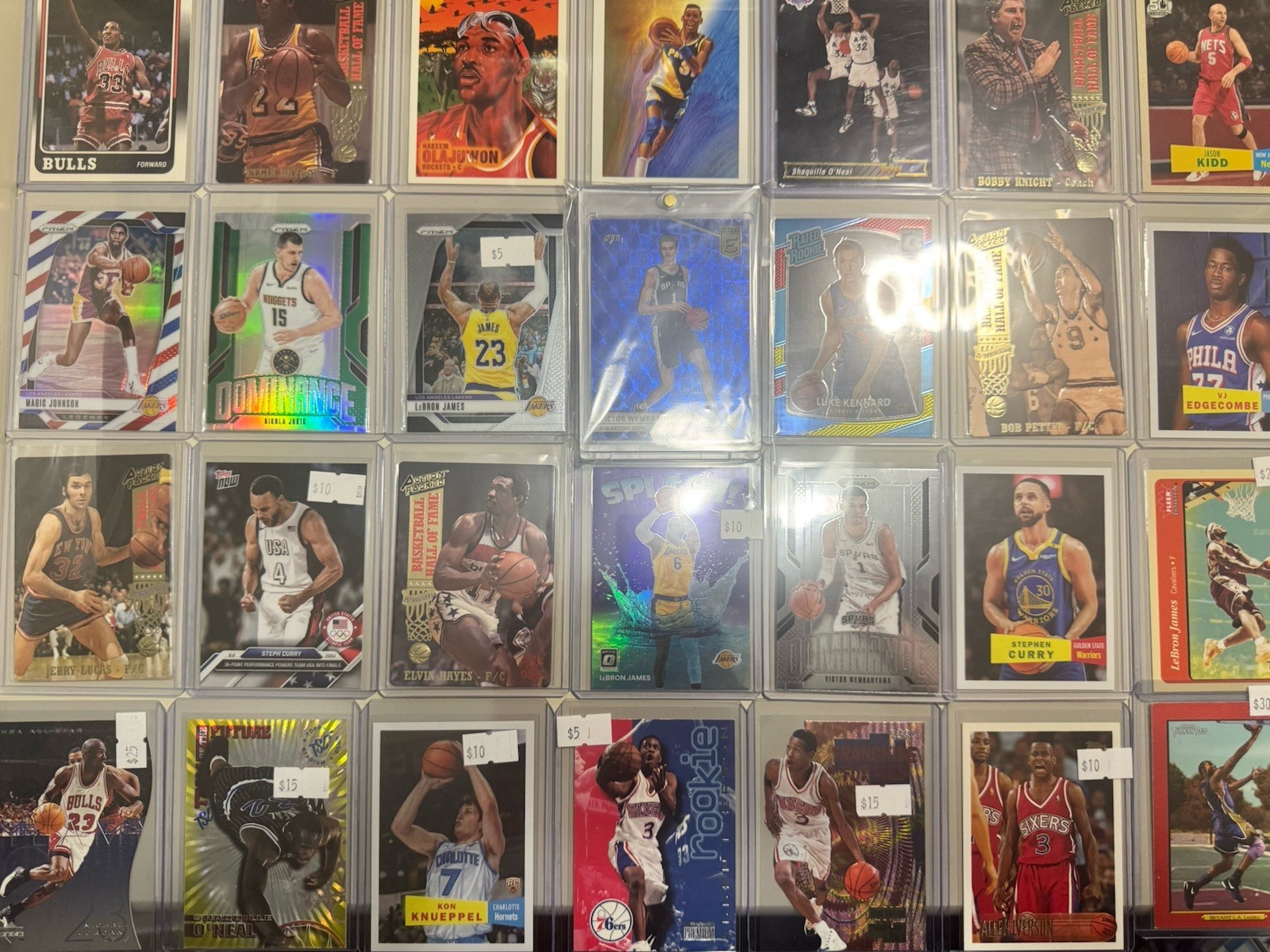
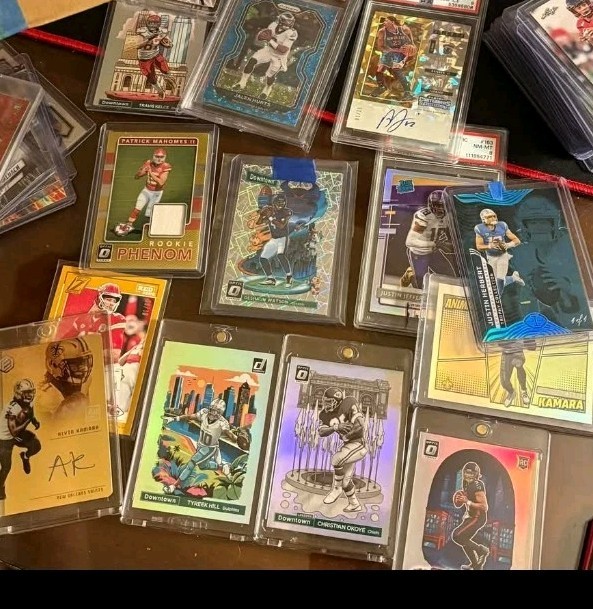

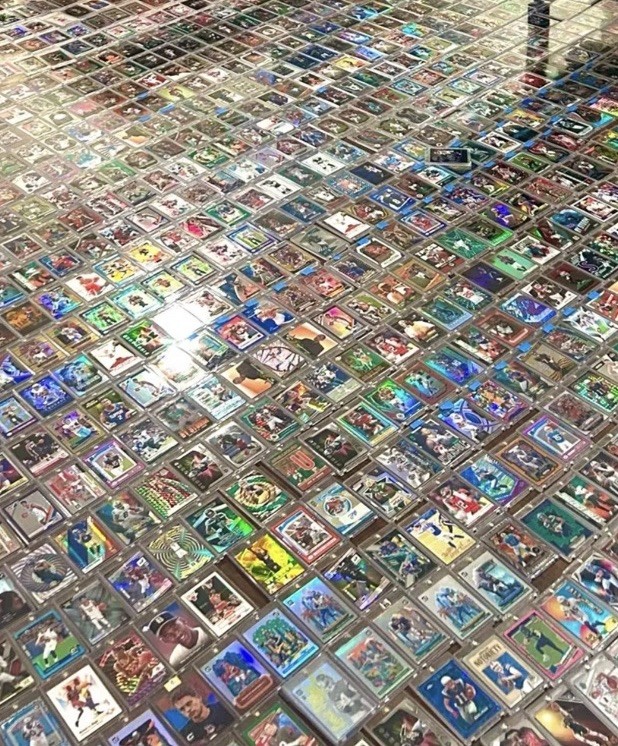

eBay links are affiliate links: JunkPal may earn a commission at no cost to you.
Resale values related to hyper rare
Shop hyper rare on eBay ↗



![Espeon [Gold Star] #16](/api/images/junkpal-products/cards/espeon-gold-star-16-pokemon-pop-series-5-card/img0/thumb.webp)
JunkPal may earn a commission when you buy through eBay links, at no extra cost to you.
What’s worth the most
Ranked on medians of real closed eBay sales, not asking prices.