What does “holofoil” mean?
What it means
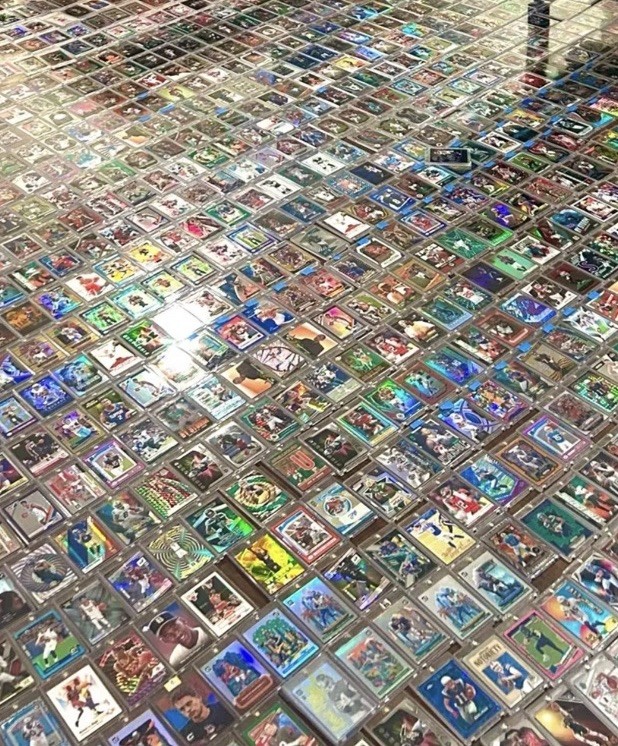
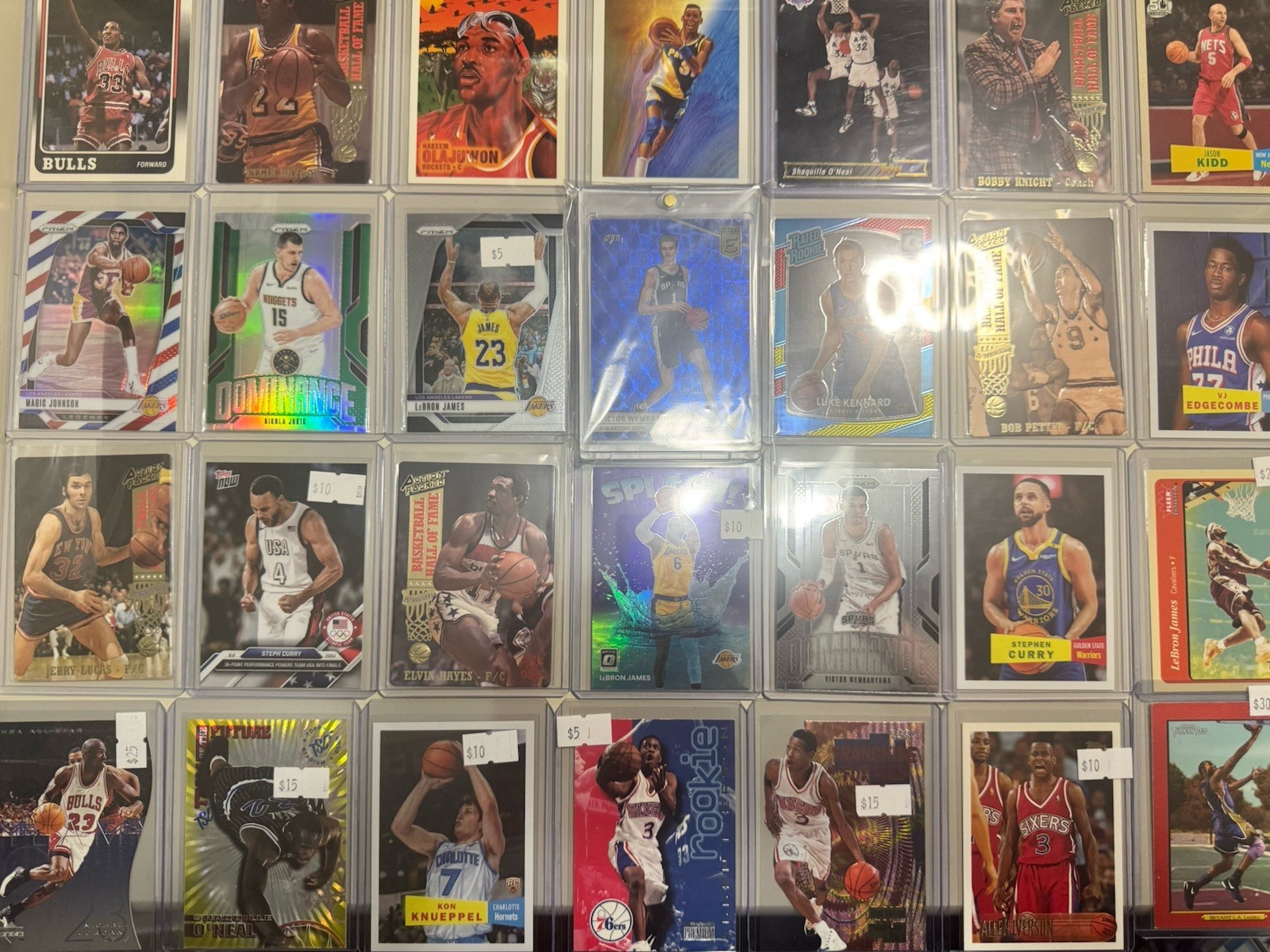
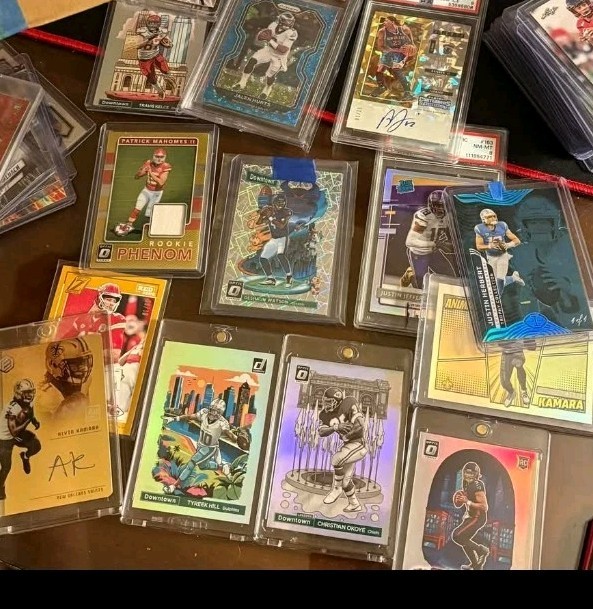
Holofoil is a specific printing application on trading cards that imparts a reflective, light-reactive surface finish. It is not merely a shiny coating; it involves specialized inks or foils embedded during the printing process to create holographic or prismatic effects. This technique differentiates premium or special-edition cards from standard print runs. The aesthetic quality—how vibrant and complex the light refraction is—is the key differentiator. In the mainstream market, this is equivalent to "special printing" or "premium finish," but "holofoil" is the industry shorthand for this specific visual characteristic in TCGs.
What it does to price
The presence of a genuine, high-quality holofoil treatment is a direct value multiplier. A base card featuring a standard print might sell for $X; the same card with a desirable, rare holofoil pattern can fetch 2x to 5x that price, depending on the pattern's scarcity. Minor, low-impact foils add 10-25% premium. Major, signature foils (e.g., full-card rainbow refractor) can push the price significantly higher, sometimes commanding hundreds or thousands of dollars over the non-holo version. Conversely, a card with a poorly applied or faded foil, or one that is clearly a cheap foil stamp rather than an integrated print, will receive a discount, potentially 20-40% off the expected premium.
How to spot it
Genuine holofoil is dynamic. When viewed under direct light, the colors should shift and move across the surface as the card is tilted. Static sheen or a single, flat rainbow patch often indicates a cheap sticker or overlay, not an integrated print. Check the card edges and corners; authentic foils are part of the card stock itself. Sellers should provide high-resolution photos taken under bright, directional light (like a desk lamp or sunlight) from multiple angles. Common mistakes include mistaking a UV spot gloss for a true holographic effect, or purchasing "holo" versions that are actually simple, non-shifting rainbow overlays.
Buying smart
Paying a premium for a holofoil card is justified when the foil is integral to the card design, is confirmed rare, and the card is in high condition (Near Mint or better). If the foil is a common variant or the card is heavily worn, the premium is not worth the risk. A fair deal involves a price that reflects the documented scarcity of the specific foil pattern. If a seller claims a rare holo but cannot provide clear, multi-angle photos demonstrating the light shift, the price should be discounted by at least 30% until proof is supplied.
Selling smart
To maximize return, the listing description must explicitly detail the foil type (e.g., "Prismatic Refractor," "Chrome Foil") and its placement. The single most effective asset for a listing is a short video clip or a set of three photos showing the card under different light sources. A simple caption like "Dynamic light shift visible" alongside these proofs immediately validates the premium and justifies a higher asking price, often netting an extra 15-30% over a static listing.
On eBay right now
Current asking prices from live listings — not sold-comp medians.



eBay links are affiliate links: JunkPal may earn a commission at no cost to you.
Resale values related to holofoil
Shop holofoil on eBay ↗


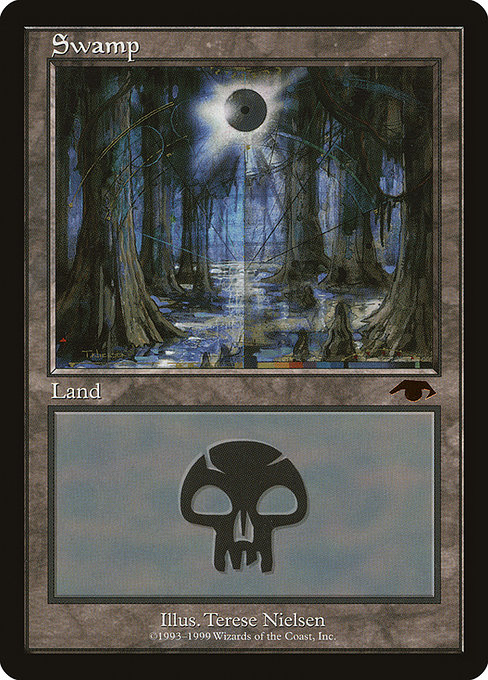
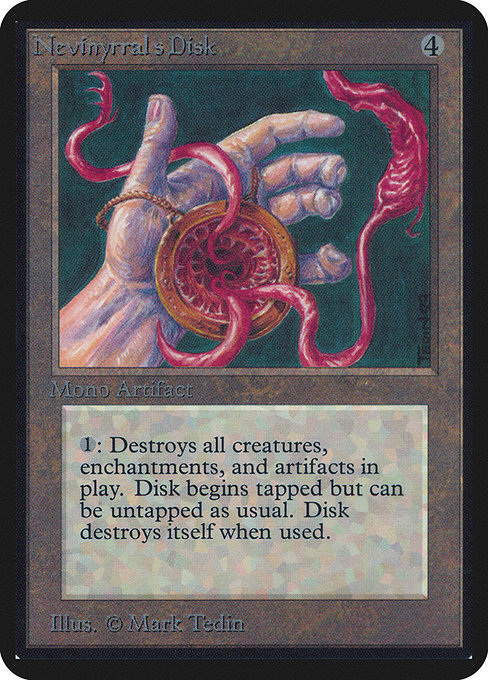
JunkPal may earn a commission when you buy through eBay links, at no extra cost to you.
What’s worth the most
Ranked on medians of real closed eBay sales, not asking prices.