What does “holo pattern” mean?
What it means
Holo pattern refers to the application of a holographic or reflective foil treatment onto a trading card surface. This is not simply a glossy finish; it involves interference pigments or specialized printing that causes the card to display spectral colors, often appearing rainbow-like when light hits it at an angle. In the collecting niche, this is a specific production feature, not just a general shine. It is the card's designated "foil" or "prismatic" finish, depending on the manufacturer's terminology. The presence of a holo pattern differentiates a standard print run card from a premium or chase variant.
What it does to price
The presence of a true, vibrant holo pattern acts as a significant value multiplier. A standard, non-holo parallel or base card might sell for $X. A card featuring a desirable, complex holo pattern can easily command a 1.5x to 4x premium, depending on rarity. For example, a common base card selling for $1.00 might sell for $3.00 to $4.00 if it features a highly sought-after, multi-color holo pattern. Factors pushing the price up include rarity (e.g., 1/1 or low-print-run holo variants) and the complexity of the pattern (e.g., full-card holo vs. single-card holo). Poorly applied or scratched holo patterns can reduce value by 20-50% compared to a pristine version.
How to spot it
The primary tell is the light interaction. Hold the card up to a direct, strong light source (like a desk lamp). A true holo pattern will exhibit dynamic color shifts as the card moves. Look closely at the printing registration; high-quality holos are integrated seamlessly into the artwork, not just slapped on top. Sellers should provide high-resolution, well-lit photos taken from multiple angles. Common issues include "ghosting" (where the holo effect is faint or smeared) or "dead spots" (areas where the foil application failed). Fakes often use simple, static rainbow stickers rather than true interference pigments.
Buying smart
Paying a premium for a holo pattern is justified when the pattern is confirmed to be rare, integral to the set's chase elements, or when the card is graded high (PSA 10 equivalent). If the holo is common across the entire set, the price increase over the non-holo version is minimal and likely not worth the risk. A fair deal involves the asking price being within 20% of established market averages for that specific card/pattern combination. If the seller cannot provide clear, angled photos demonstrating the pattern's vibrancy, the discount should reflect the uncertainty.
Selling smart
To maximize return, the listing description must explicitly state the nature of the finish. Do not just say "shiny." Use precise terms like "Prismatic Foil," "Rainbow Holographic," or "Full-Card Holo." The single most effective photo is one taken outdoors or under a bright, direct light source, showing the card actively reflecting light and displaying the pattern's color shift. A simple word like "Vibrant Holo" in the title, backed by that specific photo, justifies the premium buyers expect for high-end chase cards.
On eBay right now
Current asking prices from live listings — not sold-comp medians.


eBay links are affiliate links: JunkPal may earn a commission at no cost to you.
Resale values related to holo pattern
Shop holo pattern on eBay ↗
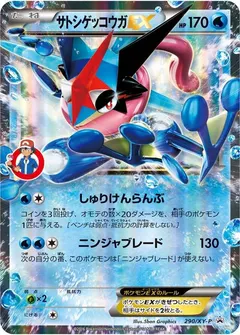
![Gengar [Prerelease Staff] #SWSH241](/api/images/junkpal-products/cards/gengar-prerelease-staff-swsh241-pokemon-promo-card/img0/thumb.webp)

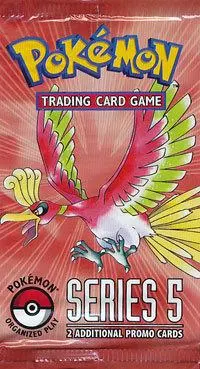
![Tropical Tidal Wave [Worlds 05]](/api/images/junkpal-products/cards/tropical-tidal-wave-worlds-05-pokemon-japanese-promo-card/img0/thumb.webp)

JunkPal may earn a commission when you buy through eBay links, at no extra cost to you.
What’s worth the most
Ranked on medians of real closed eBay sales, not asking prices.