What does “hobbyist” mean?
What it means
"Hobbyist" denotes a collector engaging with trading cards for personal satisfaction, not profit. This is the standard consumer segment. The definition is accurate; the term is not niche jargon, but the nuances of dedication matter. A casual hobbyist buys for enjoyment; a serious hobbyist collects with an eye toward long-term value appreciation. The difference is intent, which directly impacts market behavior.
What it does to price
Hobbyist demand underpins all pricing. High-grade, rare items attract serious hobbyists, pushing prices up significantly. A high-grade PSA 10 vintage card might fetch 3x to 10x the price of a raw, ungraded copy, depending on the card's scarcity. A common, modern card graded PSA 9 might sell for $15, whereas the same card in a factory-sealed, unopened booster box (a premium hobbyist acquisition) could command $45-$60 due to perceived future value. Low-grade, common cards rarely move beyond their base market value unless part of a highly sought-after set checklist.
How to spot it
Spotting the hobbyist is about assessing the *quality* of the collection, not just the card. A serious hobbyist invests in high-grade certifications (PSA, BGS, SGC). Look for authenticated slabs. A casual hobbyist might accept lower grades or buy bulk lots. When dealing with a seller, request photos showing the card's edges and corners under bright light. Common mistakes include misidentifying print runs or failing to note specific serial numbers on limited editions. If a seller claims a card is "mint" but provides no grading evidence, treat it as a casual assessment, not a professional one.
Buying smart
Paying a premium is justified when the card possesses verifiable scarcity *and* high demand among serious collectors. This applies to rookie cards (RCs) of top-tier players or cards from historically significant, short-print sets. Do not pay a premium for a card that is merely "nice looking" or "rare in your local area." A fair deal involves a price that reflects the established secondary market value for that specific grade. If a card is listed at 5x the average graded sale price without clear justification (e.g., a major set break), it is likely an overvaluation based on seller hope, not market reality.
Selling smart
Proving the card's provenance and condition is the primary driver of premium pricing. A single, clear photo of the card *inside* its professional grading slab, clearly showing the grade label, is the most effective tool. Listing the card with the certification number visible commands a significant premium over listing the same card without proof of grade. Adding the word "Graded" or listing the exact grade (e.g., "PSA 10") immediately shifts the listing from a casual sale to a professional transaction, often increasing buyer confidence and willingness to pay 20-40% more.
On eBay right now
Current asking prices from live listings — not sold-comp medians.

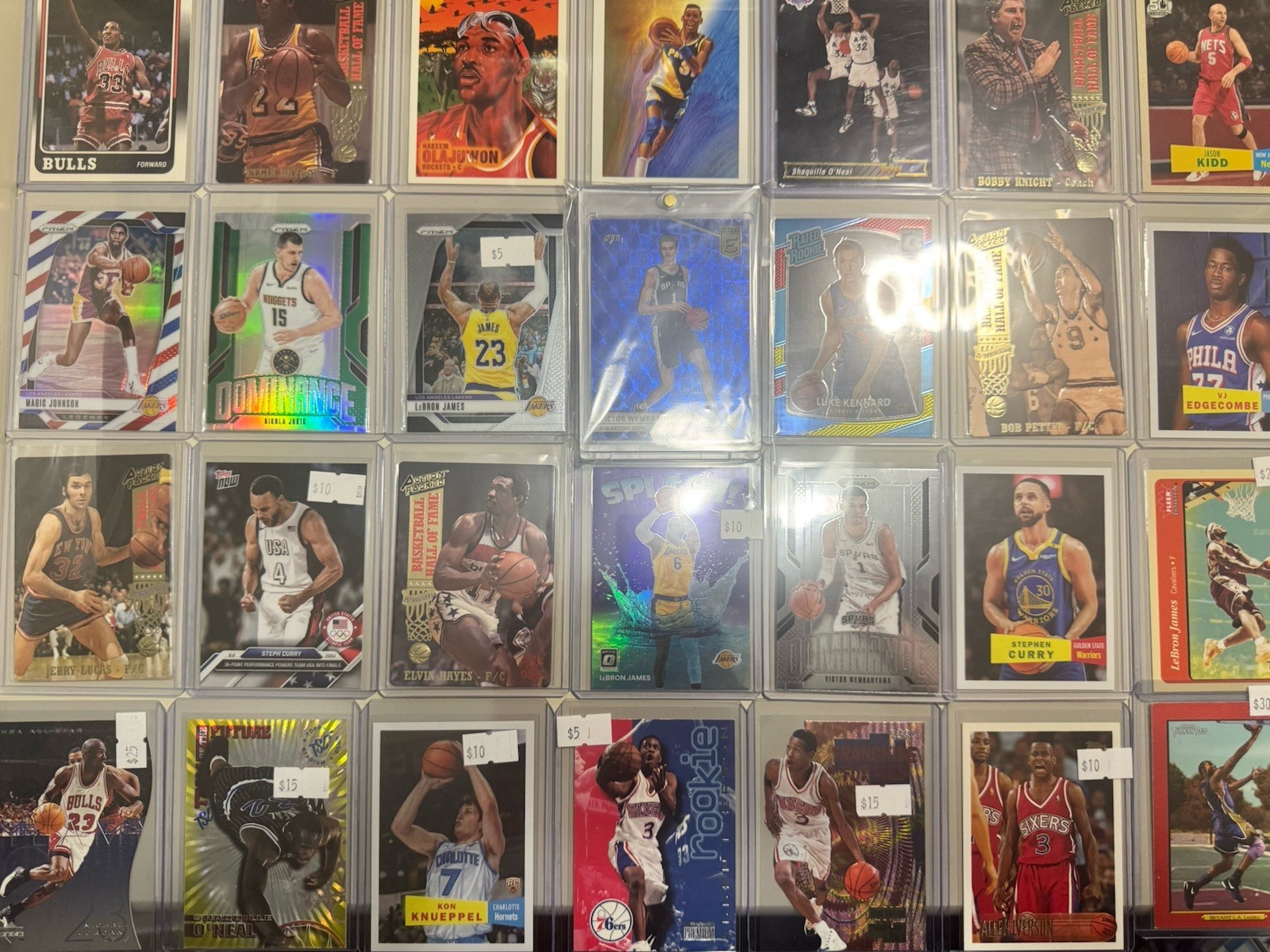
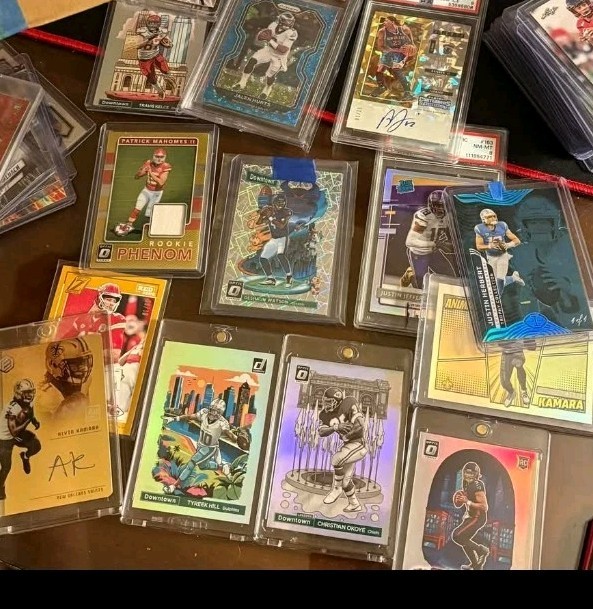

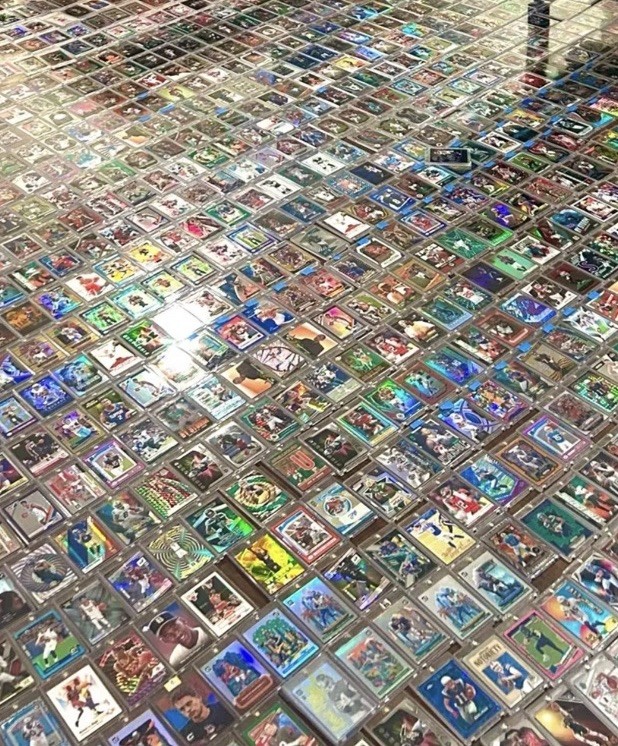

eBay links are affiliate links: JunkPal may earn a commission at no cost to you.
Resale values related to hobbyist
Shop hobbyist on eBay ↗
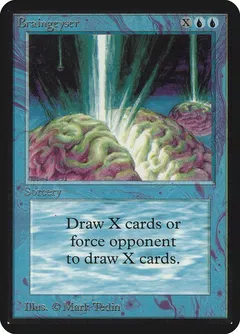
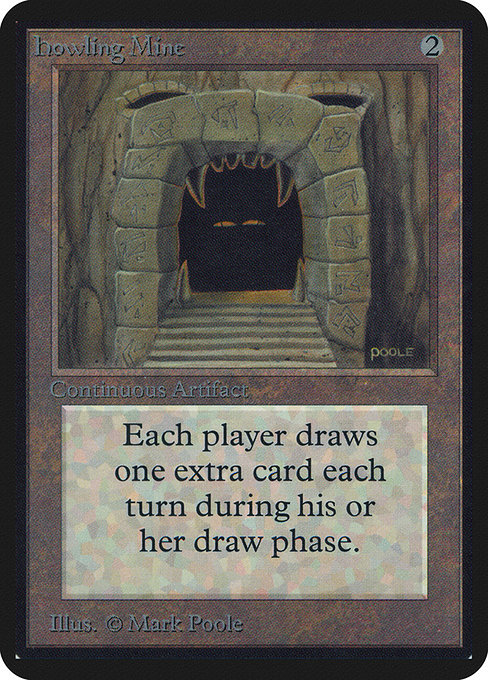
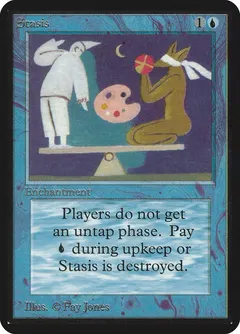
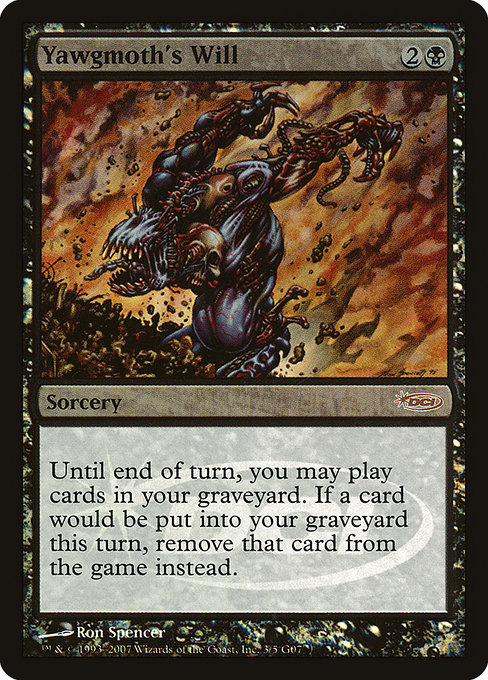

JunkPal may earn a commission when you buy through eBay links, at no extra cost to you.
What’s worth the most
Ranked on medians of real closed eBay sales, not asking prices.