What does “hit rate percentage” mean?
What it means
Hit rate percentage is the quantifiable measure of desirable pulls relative to total packs opened. It is the ratio of high-value cards acquired to the total number of packs opened, expressed as a percentage. This metric is the direct analogue to statistical probability in gambling. In card collecting, "high-value hits" are defined by the specific product line's rarity tiers—usually graded rookies, parallel variants, or chase inserts. The calculation is: (Number of Hits / Total Packs Opened) $\times$ 100. It is not a measure of the card's intrinsic value, but rather a measure of the *product's perceived yield* during a specific opening session or across a defined sample size.
What it does to price
A consistently high hit rate for a specific product run can inflate the perceived value of the entire product line, often leading to a premium on sealed product. If a set is known for delivering high-value hits (e.g., 1 in 50 packs yields a guaranteed chase card), the sealed box premium can be 10-25% higher than a statistically average set. Conversely, a low hit rate can depress secondary market demand for sealed product. For example, if a set is known to produce very few high-tier cards, a sealed box might sell for $10 less than comparable sets that have demonstrated a higher yield in community reports.
How to spot it
Spotting hit rate is not done by examining a single card. It requires pattern recognition across multiple transactions or documented opening sessions. Sellers should provide evidence of their opening history, such as aggregated pull lists or video documentation of multiple boxes. Look for consistency: a one-time lucky pull does not establish a hit rate. Product variations—such as specific promotional inserts or early-run print runs—can drastically alter the expected hit rate. Be wary of sellers claiming perfect or impossibly high rates without verifiable data; this often indicates manipulation or cherry-picking.
Buying smart
Paying a premium based on a claimed high hit rate is only justifiable when the claimed rate is statistically supported by multiple, independent data points. If a seller claims a 15% hit rate across 100 boxes, this warrants investigation. If the rate is anecdotal (e.g., "I pulled a rookie once"), the premium is unjustified. A fair deal involves the sealed product price reflecting the *average* expected yield for that product line, not the outlier results of one buyer. If the premium is based on a demonstrated, repeatable high yield, the premium is defensible.
Selling smart
To maximize return, the listing must frame the hit rate as a proven characteristic of the product, not just a personal anecdote. Instead of stating, "I pulled a great card," state, "This product line has shown an average yield of X% in documented openings." The single most effective element is providing a verifiable pull log or a short video montage showing multiple different high-value pulls from the product. This shifts the narrative from "lucky pull" to "proven yield," allowing the seller to command a higher price based on the product's documented performance.
On eBay right now
Current asking prices from live listings — not sold-comp medians.

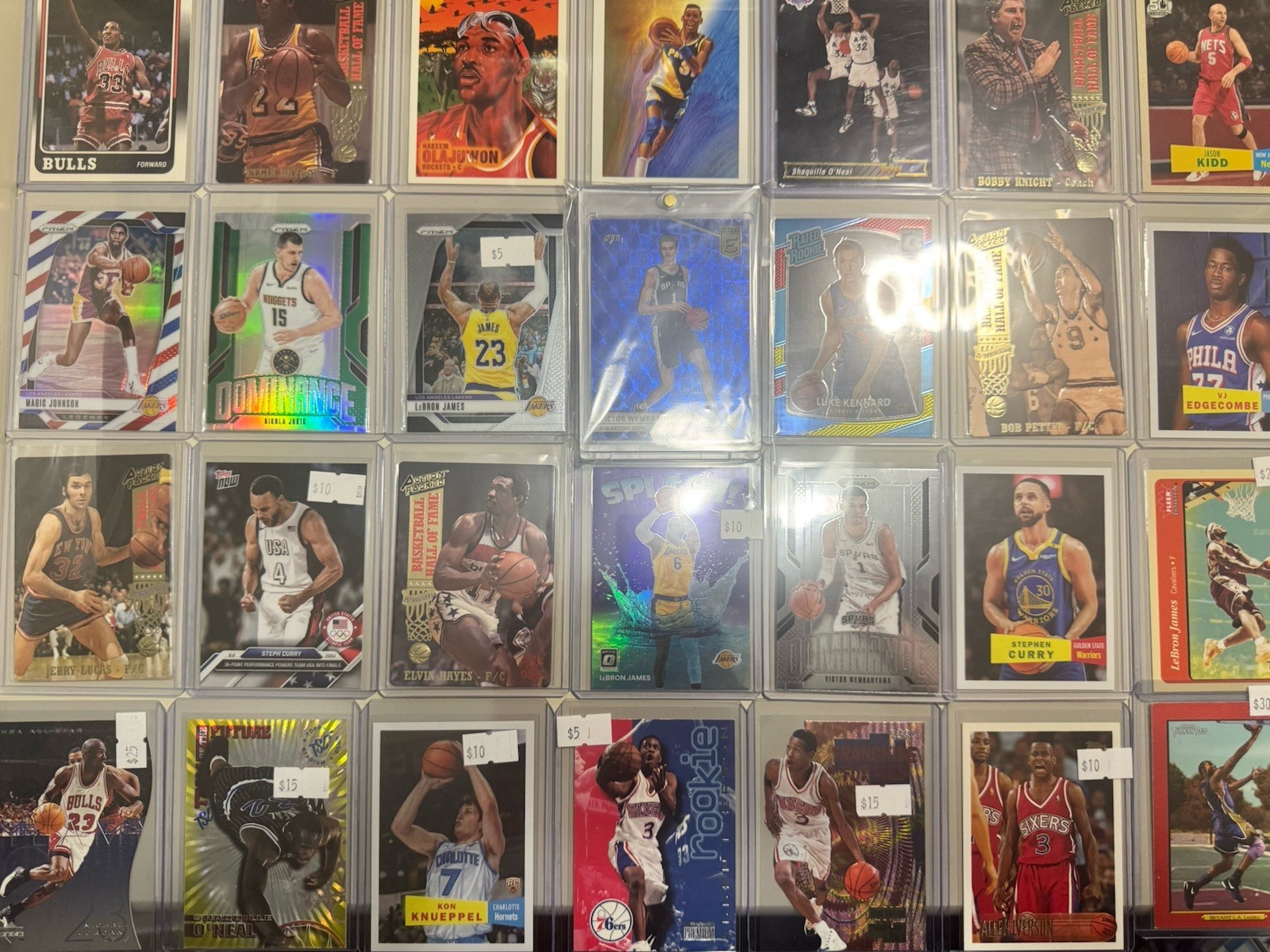
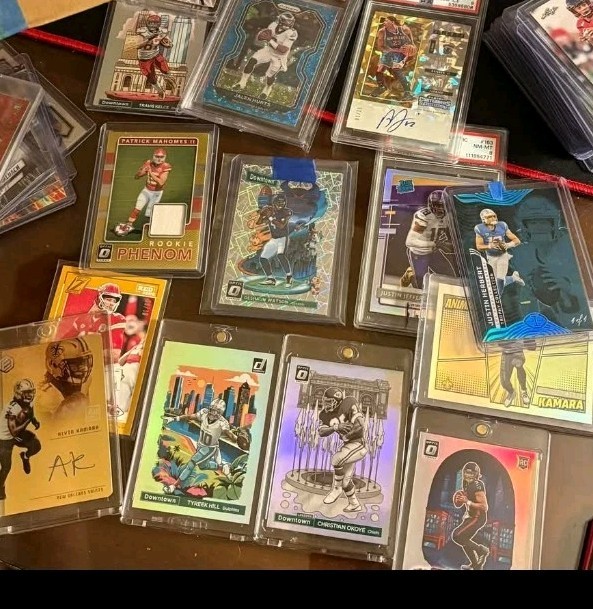



eBay links are affiliate links: JunkPal may earn a commission at no cost to you.
Resale values related to hit rate percentage
Shop hit rate percentage on eBay ↗
![Scyther [Tekno] #123](/api/images/junkpal-products/cards/scyther-tekno-123-pokemon-2000-topps-chrome-card/img0/thumb.webp)

![Scyther [Sparkle] #123](/api/images/junkpal-products/cards/scyther-sparkle-123-pokemon-2000-topps-chrome-card/img0/thumb.webp)

JunkPal may earn a commission when you buy through eBay links, at no extra cost to you.
What’s worth the most
Ranked on medians of real closed eBay sales, not asking prices.