What does “hit rate” mean?
What it means
Hit rate is the statistical probability of obtaining a card of high value, rarity, or chase status when opening sealed product. It is the ratio of valuable pulls to total pulls. The mainstream equivalent is odds of success in a lottery. For resellers, it quantifies the risk versus reward of purchasing sealed product. A high hit rate implies a higher chance of pulling a premium asset (e.g., a rookie autograph, a Gold parallel) relative to the purchase cost of the pack or box. Low hit rates mean the majority of pulls are low-value commons, requiring substantial volume to hit a significant payout.
What it does to price
Hit rate directly influences the perceived value of sealed product. A product line with a demonstrably high hit rate commands a premium over a similar line with a low hit rate, even if the base card value is identical. For instance, if Product A has a 1:100 chance of pulling a valuable chase card, and Product B has a 1:500 chance, Product A can command a 1.5x to 2x higher price per pack, assuming the base pack contents are comparable. A low hit rate on a highly anticipated set can depress the secondary market value of the sealed product, sometimes resulting in a 20-30% discount compared to initial retail speculation.
How to spot it
Hit rates are rarely explicitly stated accurately by manufacturers; they are often promotional estimates. To assess it, collectors analyze publicly available pull lists and historical data from large-scale pack openings. Key indicators include the ratio of parallels (e.g., Gold, Red, Secret) to the total card count in a set checklist. Look for print variations or specific card numbering that denotes scarcity. Sellers should provide verifiable pull history or reference established community databases rather than relying on generalized claims.
Buying smart
Paying a premium for a product based on perceived hit rate is justified only when the potential payoff significantly outweighs the cost of the required volume. If the average cost to pull a target card is estimated at $500, and the pack price is $5, the risk is manageable. If the target card is estimated at $5,000, but the pack price is $10, the risk is too high for casual investment. A fair deal involves a price point where the expected value of the contents, factoring in the known hit rate, exceeds the purchase price by a healthy margin (e.g., 1.3x expected value).
Selling smart
When listing sealed product, quantifying the perceived hit rate, or at least referencing the known rarity structure, justifies a higher asking price. Instead of simply listing "Booster Box," listing "Booster Box - High Parallel Density" signals to informed buyers that the product carries a higher potential return. The single most effective element in a listing is providing a clear, sourced pull chart or checklist that visually demonstrates the ratio of high-tier cards to common cards. This transparency converts speculation into calculated investment.
On eBay right now
Current asking prices from live listings — not sold-comp medians.

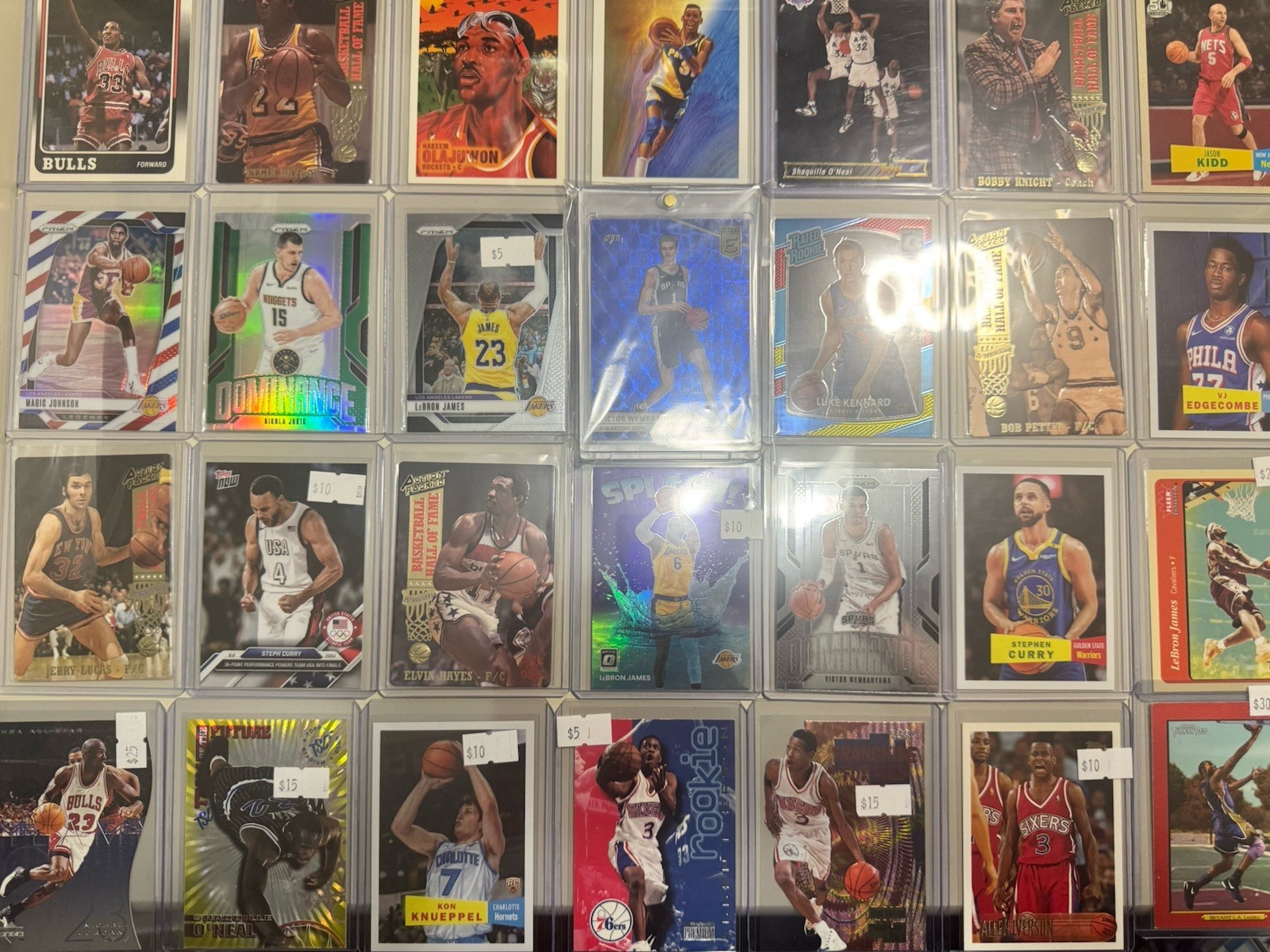
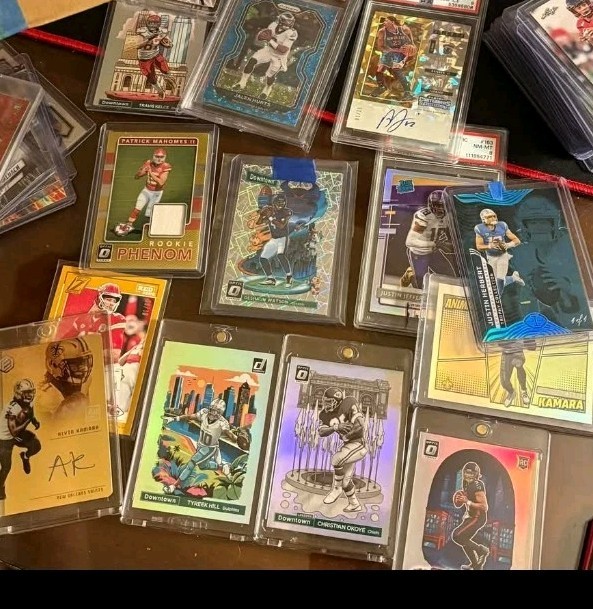

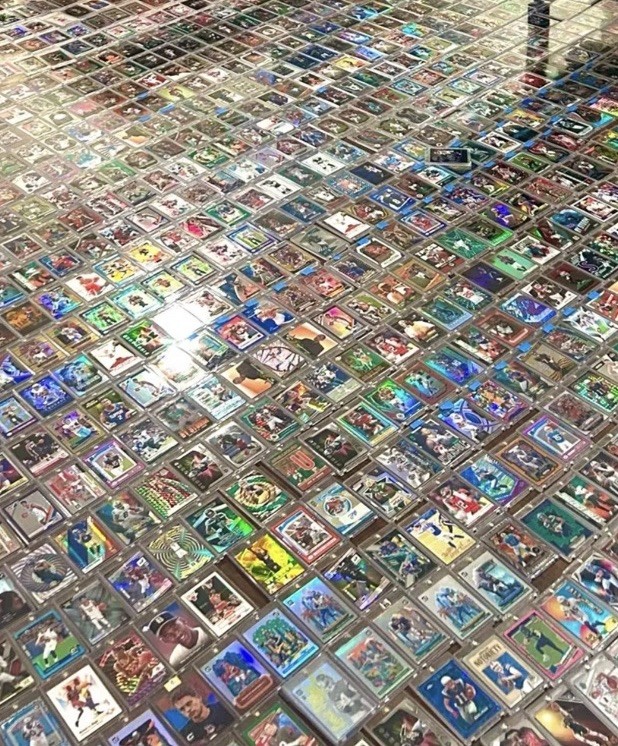

eBay links are affiliate links: JunkPal may earn a commission at no cost to you.
Resale values related to hit rate
Shop hit rate on eBay ↗![Lapras [Tekno] #131](/api/images/junkpal-products/cards/lapras-tekno-131-pokemon-2000-topps-chrome-card/img0/thumb.webp)
![Vulpix [Tekno] #37](/api/images/junkpal-products/cards/vulpix-tekno-37-pokemon-2000-topps-chrome-card/img0/thumb.webp)
![Blastoise [Tekno] #9](/api/images/junkpal-products/cards/blastoise-tekno-9-pokemon-2000-topps-chrome-card/img0/thumb.webp)
![Squirtle [Tekno] #7](/api/images/junkpal-products/cards/squirtle-tekno-7-pokemon-2000-topps-chrome-card/img0/thumb.webp)
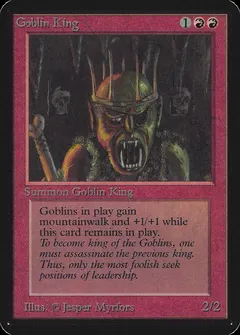

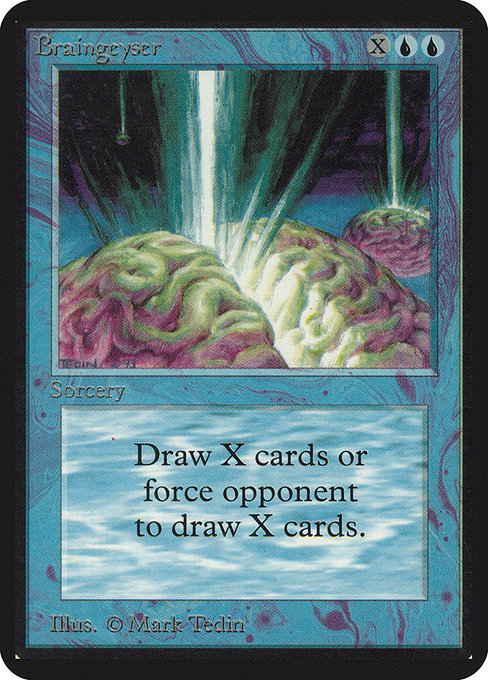
JunkPal may earn a commission when you buy through eBay links, at no extra cost to you.
What’s worth the most
Ranked on medians of real closed eBay sales, not asking prices.