What does “heavy wear” mean?
What it means
Heavy wear signifies substantial physical degradation of a trading card. This is not minor surface scratching or light handling. It denotes damage resulting from aggressive play, prolonged exposure to environmental hazards, or extremely poor storage practices. Specific indicators include deep, structural creases that affect the card's plane, significant whitening or fraying along the edges (beyond standard edge wear), noticeable corner dings or rounding, and pervasive surface abrasions or scuffing that compromise the print quality. In mainstream terms, this is equivalent to a "Poor" or "Good" grade in professional grading scales, far removed from Near Mint (NM) or Mint (M).
What it does to price
Heavy wear imposes a severe downward pressure on market value. The discount is non-linear; a card with heavy wear rarely retains more than 10-25% of its Near Mint equivalent value, depending on the card's inherent rarity. For a mid-tier, non-chase card, a difference between Near Mint and heavy wear can equate to a $15 to $40 price gap. High-value, chase cards might retain 30-40% of their NM value, but even these see massive drops. Factors pushing the price up slightly include the card’s inherent scarcity or if the wear is localized (e.g., only one corner is dinged, not the entire surface).
How to spot it
Spotting heavy wear requires close examination under bright, direct light. Look for stress lines radiating from corners—these are creases. Edge whitening that extends inward from the border is a major flag. Examine the surface under magnification for print lifting or deep scratches that interrupt the artwork or text. Sellers should provide high-resolution photos focused specifically on the edges and corners. A common honest mistake is confusing light edge wear (from normal handling) with heavy edge whitening (from moisture or rough play). Fakes are rare in wear assessment, as wear is physical, not printed.
Buying smart
Purchasing a heavily worn card is only justifiable under specific circumstances. It is viable when the card is extremely rare, and the buyer intends to use it for thematic display rather than investment, or when the purchase is for a bulk lot where the cost per card is negligible. For investment purposes, heavy wear is almost always a poor purchase unless the card is so rare that the absolute lowest price is acceptable. A fair deal involves the asking price reflecting the card’s status as "damaged goods," typically 60% or less of the perceived NM value for common/uncommon cards.
Selling smart
Transparency is the only defense against buyer penalties. Listing the card as "Heavy Wear" or "Played" prevents disputes. The single most effective element in a listing is a dedicated, clear photograph showing the most severe point of damage (e.g., the deepest crease or the most pronounced corner ding). Describing the wear precisely (e.g., "Heavy crease across upper left quadrant") allows buyers to price the risk themselves. Accurate disclosure ensures the listing attracts buyers specifically looking for lower-tier stock, maximizing the return on the damaged item.
On eBay right now
Current asking prices from live listings — not sold-comp medians.

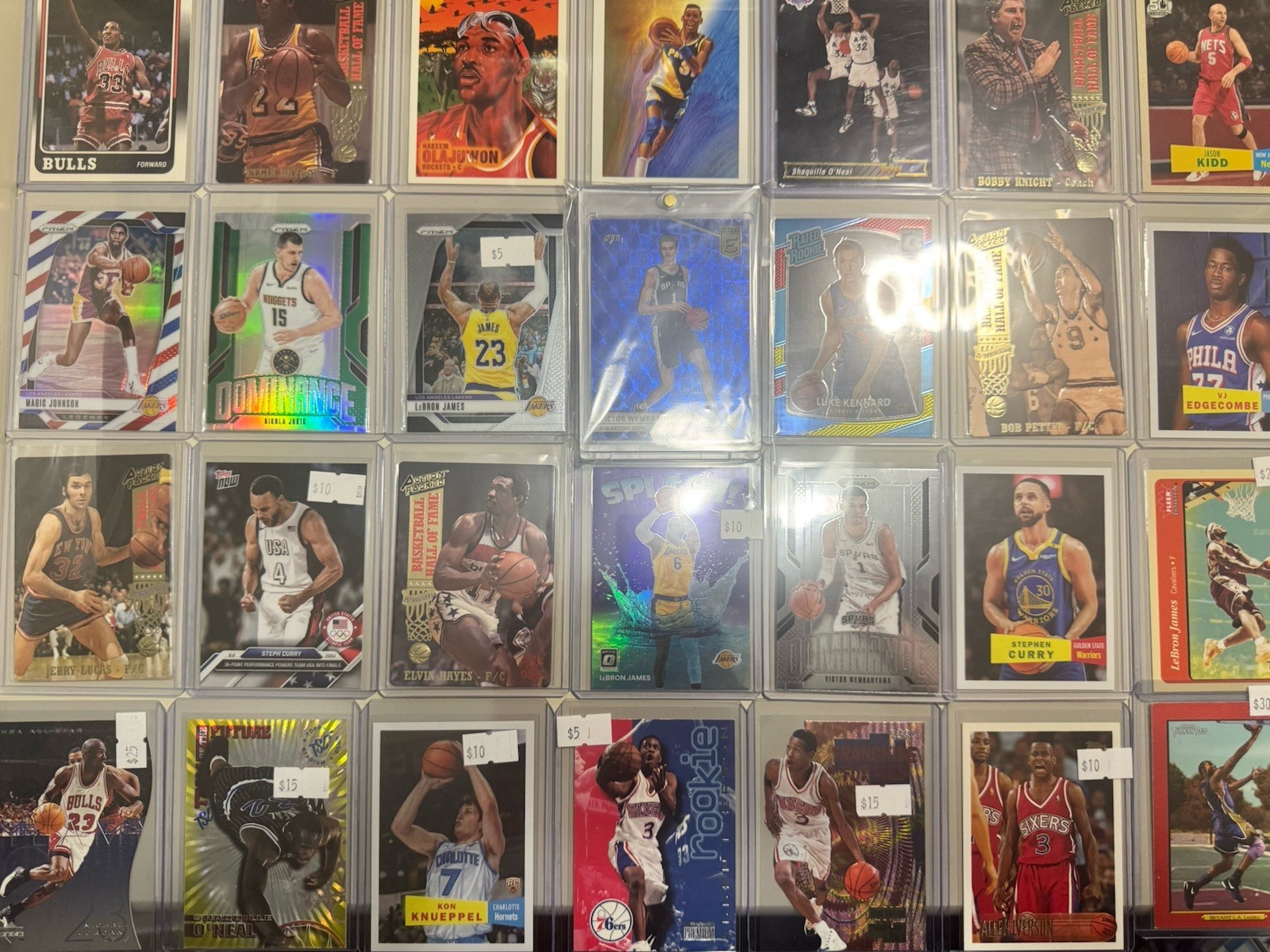
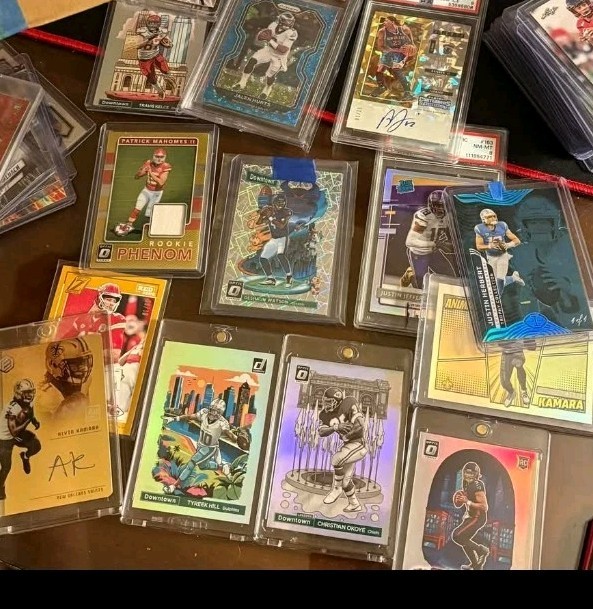

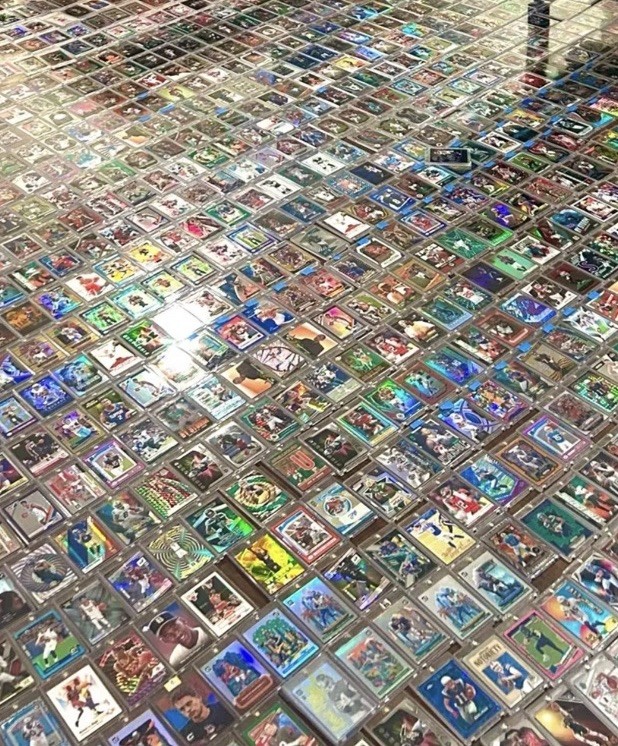

eBay links are affiliate links: JunkPal may earn a commission at no cost to you.
Resale values related to heavy wear
Shop heavy wear on eBay ↗
![Rhydon [Tekno] #112](/api/images/junkpal-products/cards/rhydon-tekno-112-pokemon-2000-topps-chrome-card/img0/thumb.webp)



JunkPal may earn a commission when you buy through eBay links, at no extra cost to you.
What’s worth the most
Ranked on medians of real closed eBay sales, not asking prices.