What does “heavy play” mean?
What it means
"Heavy play" is a condition designation for a trading card showing substantial physical damage resulting from active use or poor storage. It is not merely "worn"; it implies significant aesthetic compromise. This includes deep surface scratches, pronounced edge wear (fraying or heavy whitening), noticeable creasing, or sharp corner dings. In mainstream grading terms, heavy play typically falls into the Poor (P) to Good (G) range, depending on the severity. It signifies the card has been actively "played with" rather than simply handled.
What it does to price
The impact on market value is severe and non-linear. A card in heavy play condition can realize 10% to 40% of the price of a comparable Near Mint (NM) copy, and sometimes significantly less if the damage is structural (e.g., heavy creasing across the center). Damage severity is the primary driver. A card with minor edge wear might trade at 70% of NM value. A card with heavy creasing across the face might trade at 20% or less. For example, a common rookie card in NM might sell for $10. The same card in heavy play might sell for $3 to $5, depending on the overall damage profile.
How to spot it
Inspection requires magnification, preferably under direct, bright light. Look specifically at the four corners—dents or rounding beyond minor handling are indicators. Examine the edges for chipping or significant whitening beyond the natural break-in. Surface scratches should be visible as lines disrupting the print or card surface texture. When assessing a listing, request high-resolution photos focusing specifically on the corners and edges. Be wary of sellers claiming "light wear" when the photos show deep gouges; this is often misrepresentation.
Buying smart
Paying a premium for a heavy play card is only justifiable when the card is extremely rare, highly sought after, or otherwise impossible to find in better condition. For common or mid-tier cards, the discount offered by the poor condition is the primary value proposition. A fair deal means the asking price reflects the damage honestly. If a card is heavily damaged but the subject matter is a major chase card, the buyer is paying for the subject, not the condition. Otherwise, the cost savings of buying damaged is the only reason to purchase.
Selling smart
Transparency in condition dictates the final sale price. Listing the card as "Heavy Play" or assigning a specific condition grade (e.g., G-2) prevents disputes and manages buyer expectations. The single most effective element in a listing is a clear, close-up photograph of the most damaged area—a corner ding or a prominent scratch. This photo proves the condition description is accurate, allowing the seller to command the appropriate lower price without needing to defend the listing description later.
On eBay right now
Current asking prices from live listings — not sold-comp medians.

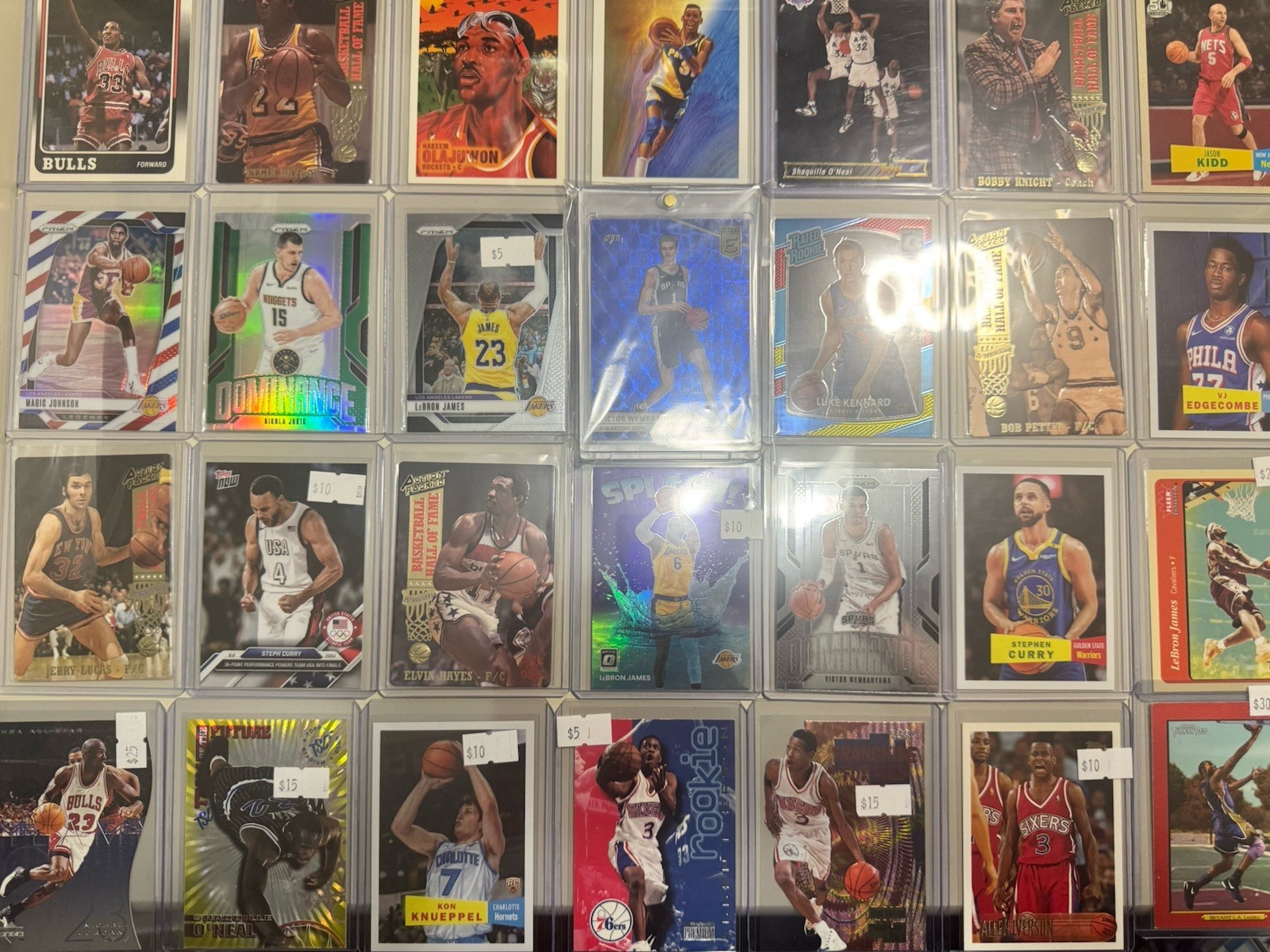
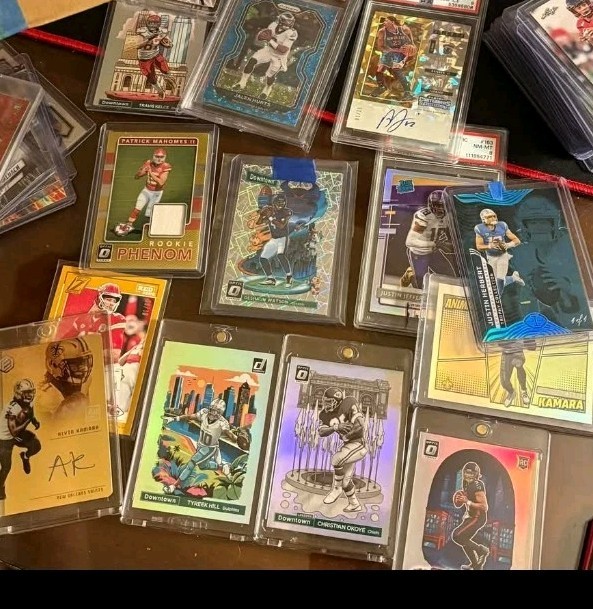


eBay links are affiliate links: JunkPal may earn a commission at no cost to you.
Resale values related to heavy play
Shop heavy play on eBay ↗
![Gastly [Tekno] #92](/api/images/junkpal-products/cards/gastly-tekno-92-pokemon-2000-topps-chrome-card/img0/thumb.webp)
![Vaporeon [Sparkle] #134](/api/images/junkpal-products/cards/vaporeon-sparkle-134-pokemon-2000-topps-chrome-card/img0/thumb.webp)
![Flareon [Tekno] #136](/api/images/junkpal-products/cards/flareon-tekno-136-pokemon-2000-topps-chrome-card/img0/thumb.webp)

JunkPal may earn a commission when you buy through eBay links, at no extra cost to you.
What’s worth the most
Ranked on medians of real closed eBay sales, not asking prices.