What does “grading service” mean?
What it means
A grading service is a third-party authentication and condition assessment firm for collectibles. These companies examine items like trading cards, assign a standardized numerical grade (e.g., PSA 10, BGS 9.5), and seal the card in a protective, tamper-evident holder, known as a "slab." The grade reflects objective criteria: centering (how well the image is framed), corner sharpness, surface defects, and print quality. The numerical score is the market standard for condition, replacing subjective opinion.
What it does to price
Grading creates immediate, verifiable scarcity and value stratification. A high-grade, authenticated card consistently sells for a premium over an identical "raw" (ungraded) copy. Depending on the card's rarity, this premium can range from 2x to 10x the loose market value. For common, high-demand cards, a difference between a raw 8 and a graded 9 might add $50 to $200. For rare, blue-chip assets, the difference can be orders of magnitude. Grading acts as an insurance policy against condition disputes, which solidifies the price floor.
How to spot it
Authentic grading slabs feature specific company branding, unique serial or certification numbers, and secure seals. The card inside must match the grade assigned. Red flags include: mismatched card stock within the slab, poorly applied holographic stickers, or a lack of a verifiable certification number on the company’s website. Common fakes involve cheap, unbranded plastic holders or "re-grading" attempts where a card is poorly placed into a genuine-looking slab. Always verify the grading company’s official submission and authentication process before accepting a high-grade item.
Buying smart
Paying a premium for grading is justified when the card is high-value, rare, or has significant investment potential. If a card is a modern, common pull, the cost of the slab and grading fee often outweighs the potential resale gain. The premium is worth it when the card's value is already high enough that the grading fee represents a small percentage of the final sale price. A fair deal involves the asking price reflecting the established market value *for that specific grade*, not just the raw card’s value.
Selling smart
For sellers, obtaining a grade transforms a speculative asset into a standardized commodity. Listing a graded card immediately filters out low-intent buyers and attracts serious collectors who rely on third-party verification. The single most valuable element in a listing is the clear, high-resolution photo of the *front and back of the official slab*, prominently displaying the grade and certification number. This photo is the proof of authenticity that justifies the highest end of the market price range.
On eBay right now
Current asking prices from live listings — not sold-comp medians.



eBay links are affiliate links: JunkPal may earn a commission at no cost to you.
Resale values related to grading service
Shop grading service on eBay ↗![Mewtwo [Tekno] #150](/api/images/junkpal-products/cards/mewtwo-tekno-150-pokemon-2000-topps-chrome-card/img0/thumb.webp)
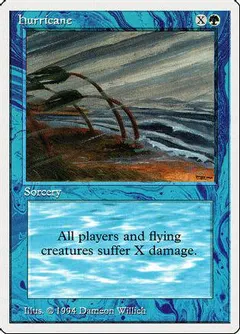
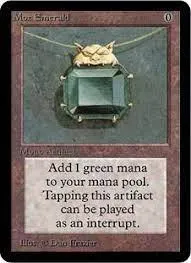
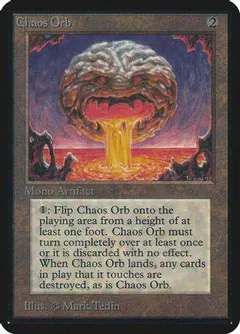
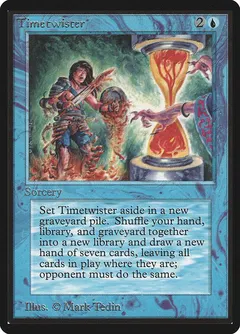
![Illusion's Zorua [Pokemon Fan] #L-P](/api/images/junkpal-products/cards/illusion-s-zorua-pokemon-fan-l-p-pokemon-japanese-promo-card/img0/thumb.webp)

JunkPal may earn a commission when you buy through eBay links, at no extra cost to you.
What’s worth the most
Ranked on medians of real closed eBay sales, not asking prices.