What does “grading scale” mean?
What it means
The grading scale is the codified system used by third-party authentication services (e.g., PSA, BGS, SGC) to assign a numerical designation to a trading card based on its physical condition. This system standardizes subjective assessment. The scale runs from 1 (Poor) to 10 (Gem Mint). A 10 signifies perfection; lower scores denote specific defects like corner wear, surface scratches, centering issues, or edge chipping. The numerical grade is the card's objective condition report, acting as a verifiable proxy for its physical state. It is the industry standard for condition reporting, replacing subjective "Near Mint" or "Excellent" descriptors.
What it does to price
The grade is the primary driver of secondary market value. The difference between a PSA 9 (Near Mint) and a PSA 10 (Gem Mint) for a high-demand rookie card can easily be 3x to 10x the price, depending on the card's scarcity. A card graded 8 or lower generally commands a significant discount compared to a 9 or 10 of the identical item. For example, a highly sought-after rookie card might sell for \$1,000 loose ungraded, but the same card graded PSA 10 could easily fetch \$3,500 to \$5,000. Centering, which is assessed by the grader, is a major factor; poor centering can drop a card's grade by a full point, causing a measurable price drop.
How to spot it
A graded card is housed in a sealed, tamper-evident plastic holder bearing the grading company's specific logo and the assigned numerical grade. The certificate accompanying the card provides a detailed breakdown of the grading criteria used. Sellers must provide clear, high-resolution photos of the front and back of the card *before* purchase. Common issues to watch for are "re-grading" attempts (where a card is submitted to multiple services to try and achieve a higher grade) or poorly centered examples that are being deceptively marketed as high-grade. Always verify the grade listed on the holder matches the card itself.
Buying smart
Paying a premium for a graded card is justified only when the card is a blue-chip asset—a highly scarce, iconic rookie or chase card where the grade difference translates to massive financial returns. If the card is common or mid-tier, the cost of the grading service plus the premium paid for the grade may not be recouped. A fair deal involves the asking price being within 15-25% of the established market average for that specific grade. If the seller is asking for a 10 but the market average for that card is closer to a 9, the premium is excessive.
Selling smart
Listing a card with a verifiable, reputable grade immediately separates it from the bulk of the market. Buyers pay a premium for the removed uncertainty; they are paying for the grading company's guarantee of authenticity and condition. The single most valuable element in a listing is a clear photograph of the *graded slab* itself, showing the grade number and the company logo. This instantly validates the card's condition and allows the seller to command top-tier pricing without having to defend the card's physical state in the listing description.
On eBay right now
Current asking prices from live listings — not sold-comp medians.



eBay links are affiliate links: JunkPal may earn a commission at no cost to you.
Resale values related to grading scale
Shop grading scale on eBay ↗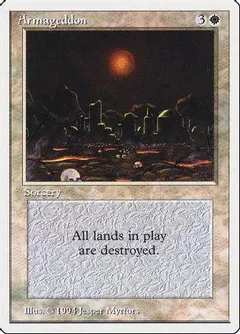

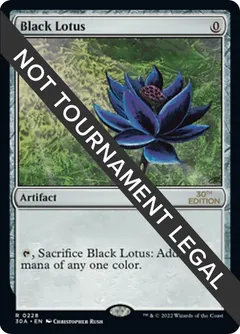
![Tropical Wind [Worlds 09]](/api/images/junkpal-products/cards/tropical-wind-worlds-09-pokemon-japanese-promo-card/img0/thumb.webp)

![Dugtrio [For Position Only] #44](/api/images/junkpal-products/cards/dugtrio-for-position-only-44-pokemon-expedition-card/img0/thumb.webp)


JunkPal may earn a commission when you buy through eBay links, at no extra cost to you.
What’s worth the most
Ranked on medians of real closed eBay sales, not asking prices.