What does “graded singles” mean?
What it means
Graded singles are individual trading cards submitted to an independent, accredited third-party company (e.g., PSA, BGS, CGC) for professional assessment. The service assigns a numerical grade, typically ranging from 1 (Poor) to 10 (Gem Mint). This grade quantifies the card's physical condition based on standardized metrics: centering (how well the image is framed), corners (sharpness and chipping), edges (wear and whitening), and surface condition (print quality and scratches). The grade is the official, verifiable condition report, replacing subjective opinions.
What it does to price
The numerical grade is the primary driver of secondary market value. The jump from a Near Mint 9 to a Gem Mint 10 can easily result in a 50% to 200% price increase, depending on the card's rarity. A high-grade example of a common card might fetch 2x to 5x the price of a raw, ungraded copy. Conversely, a card graded low (e.g., a 3 or 4) will sell for a fraction of its raw market value, regardless of the card's inherent desirability. For example, a sought-after rookie card might sell for $1,500 raw, but the same card graded PSA 10 could command $4,000 to $6,000.
How to spot it
The tell is the protective plastic holder, or "slab." Authentic graded cards are sealed within this rigid plastic casing, and the grading company's unique certification number and grade are visibly printed on the label affixed to the slab. Common fakes involve poorly printed labels or slabs that do not align perfectly with the card edges. A major honest mistake is confusing a "Near Mint" card with a "Graded 9." A card that looks perfect but lacks the official slab and certification number is raw and ungraded. Always cross-reference the certification number on the slab with the grading company’s online database.
Buying smart
Paying a premium for a graded single is justified when the card is a high-tier, blue-chip investment piece (e.g., top-tier rookie cards) or when the difference between a 9 and a 10 is substantial in market data. If the card is mid-tier or has moderate market demand, the premium paid for the grade might not yield proportional returns. A fair deal involves the asking price being within 10% to 25% above the established market average for that specific grade, depending on the card's scarcity. If the asking price is more than 30% above the established grade average, further due diligence on the seller's history is required.
Selling smart
For sellers, the slab is the proof of value. Listing a card as "PSA 10" versus "Raw" can result in a difference of hundreds, sometimes thousands, of dollars. The one element that earns the premium is the clear, high-resolution photo of the *entire* slab, showing the grade label and the certification number. Never sell a graded card without showing the slab's full identification. If the slab is damaged or the label is obscured, the premium value is lost, and the card must be listed as raw or ungraded.
On eBay right now
Current asking prices from live listings — not sold-comp medians.


eBay links are affiliate links: JunkPal may earn a commission at no cost to you.
Resale values related to graded singles
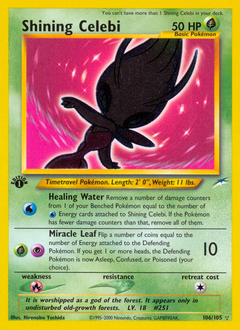
Shop graded singles on eBay ↗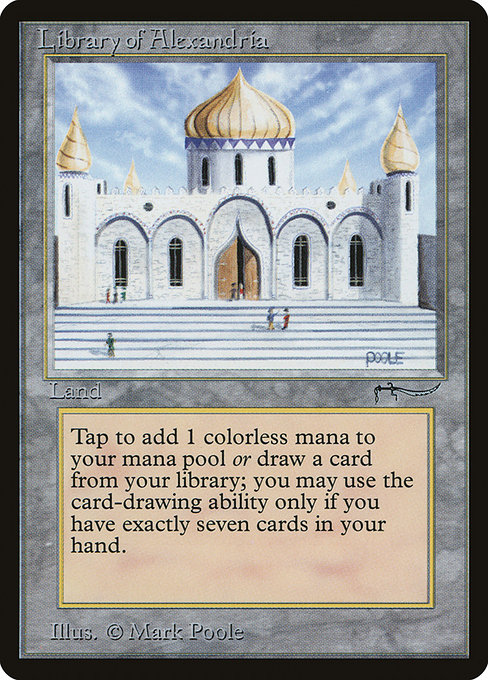






JunkPal may earn a commission when you buy through eBay links, at no extra cost to you.
What’s worth the most
Ranked on medians of real closed eBay sales, not asking prices.