What does “graded card” mean?
What it means
A graded card is a trading card that has been submitted to and authenticated by a recognized third-party grading service (e.g., PSA, Beckett/BGS, SGC). These services assign a standardized numerical grade, usually from 1 (Poor) to 10 (Gem Mint), based on strict criteria covering centering, corner sharpness, edge integrity, and surface condition. This process converts subjective condition assessment into an objective, verifiable data point. The grade acts as a market guarantee of the card's quality and authenticity.
What it does to price
Grading introduces a significant, measurable price multiplier. A card graded PSA 10 often commands 3x to 10x the price of an equivalent, ungraded (loose) copy, depending on the card's rarity. The grade is the primary driver of value differentiation. A common card graded PSA 10 might sell for $50, whereas the same card ungraded might sell for $5. Conversely, a rare card graded PSA 2 might sell for less than a common card graded PSA 9. Condition variance within the same card is often more impactful than minor variations in scarcity.
How to spot it
Graded cards are housed in sealed, tamper-evident plastic holders (slabs). The slab features the grading company's logo, the assigned grade (e.g., PSA 9), and a unique certification number. This number must be traceable back to the grading company’s online database. Common issues include "slab tampering," where a card is placed in an old, authentic-looking holder, or "grade inflation," where a seller misrepresents the grade. Always cross-reference the certification number with the grading company’s registry before purchase.
Buying smart
Paying a premium for a graded card is justified when the card is a high-tier chase item (e.g., rookie autographs, ultra-rare parallels) where the difference between a 9 and a 10 represents a massive value jump. Buying a low-grade card (e.g., PSA 3 or 4) is generally not worth the premium unless the card is exceptionally rare, as the condition limitation caps its ceiling. A fair deal means the premium paid for the grade aligns with the market rate for that specific grade level for that specific card.
Selling smart
When selling, the slab itself is the primary marketing tool. The listing description must clearly state the grading company and the exact grade (e.g., "PSA 10"). Do not rely on photos of the card outside the slab; the slab is the proof. The certification number should be listed in the description or notes section. The presence of the verifiable slab instantly shifts the buyer's focus from condition assessment to market price for that specific grade, commanding the highest possible return.
On eBay right now
Current asking prices from live listings — not sold-comp medians.



eBay links are affiliate links: JunkPal may earn a commission at no cost to you.
Resale values related to graded card
Shop graded card on eBay ↗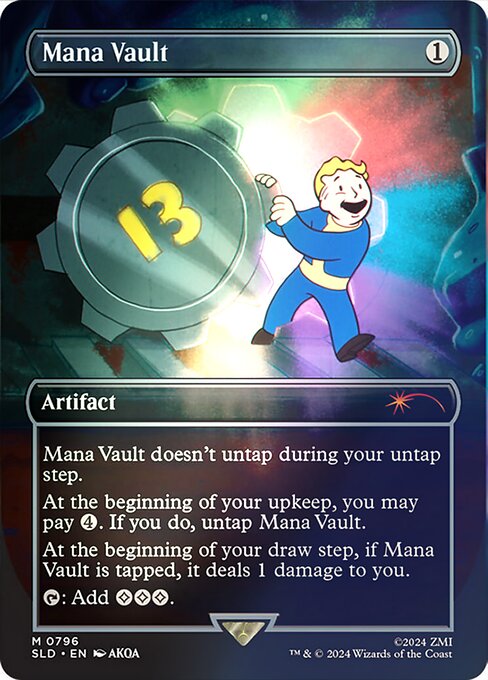
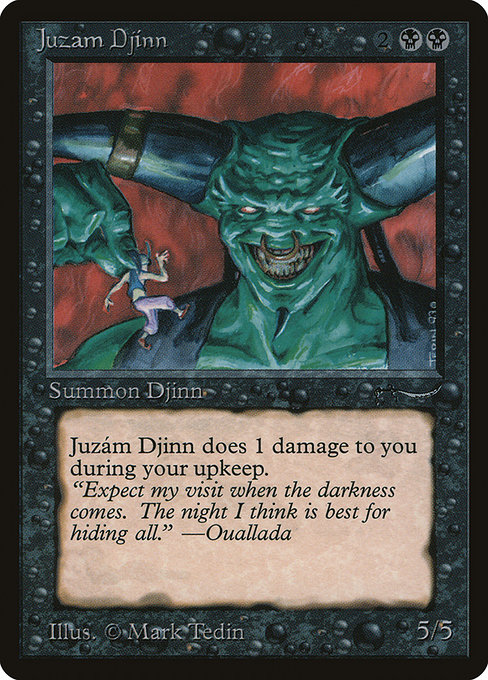
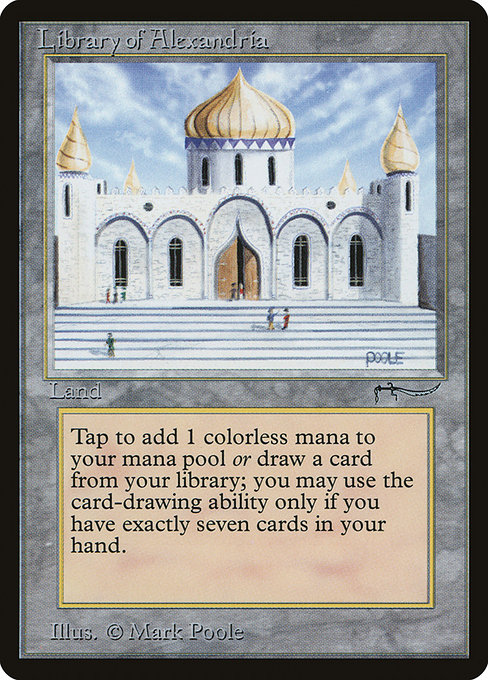
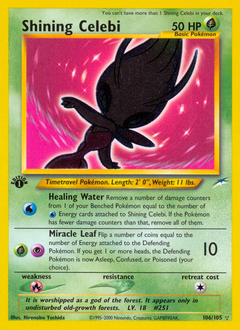




JunkPal may earn a commission when you buy through eBay links, at no extra cost to you.
What’s worth the most
Ranked on medians of real closed eBay sales, not asking prices.