What does “grade inflation” mean?
What it means
Grade inflation in trading cards is the systemic upward pressure on the realized market value associated with specific numerical grades. It is not simply that cards are getting more expensive; it is that the *value assigned to a specific grade* is rising faster than the supply or the physical condition of the card itself. This phenomenon means that a card previously valued at $X for a PSA 9 might now command $1.5X for the same PSA 9, even if the population report for that grade has not drastically changed. The mainstream equivalent is asset appreciation driven by speculative demand, but applied specifically to standardized condition metrics.
What it does to price
Grade inflation creates a decoupling between historical pricing models and current market reality. For high-demand, low-population cards, the multiplier between a raw (loose) copy and a graded copy can shift from a standard 3x to 5x or more during peak inflation cycles. Conversely, if a grading company tightens standards, a card previously graded 9 might be relegated to 8, causing an immediate 20-40% price drop for that specific item, even if the card itself is identical. A realistic example: A card that sold for $500 in a 9 grade last year might sell for $850 this year for the same 9 grade, purely due to market perception shifting the baseline value of that grade level.
How to spot it
Spotting inflation requires tracking more than just the final sale price. Look for sudden, sustained price increases across multiple, seemingly unrelated, high-grade subsets of a card. Check the grading company’s recent submission guidelines; if they are accepting borderline submissions at higher grades, that is a direct indicator of grade inflation. For sellers, request high-resolution photos of the card's edges and corners. Subtle edge wear that might have been overlooked in previous years is now being flagged by graders, which can either deflate or inflate the perceived grade depending on the market’s current tolerance for imperfections.
Buying smart
Paying a premium for a high grade is justifiable only when the grade itself represents a significant, verifiable scarcity factor (e.g., a rare parallel or an error card). If the premium is solely based on the *grade number* when the card is otherwise common, the risk is high. A fair deal occurs when the asking price is within 10-15% of the average realized auction price for that specific grade in the last 90 days across three different major platforms. If the asking price is 30%+ above that average, the buyer is paying for speculative hype, not established value.
Selling smart
Proving the card's grade through a recognized third-party service is the single most effective way to command a premium. The necessary element is the authenticated slab itself. A listing without a grade is selling a commodity; a listing with a high-grade slab is selling a verified, scarce asset. The one word that earns the premium is the grade designation itself (e.g., "PSA 10"). This designation acts as a filter, immediately qualifying the item for buyers who are specifically targeting investment-grade inventory, thereby accessing a higher-value buyer pool.
On eBay right now
Current asking prices from live listings — not sold-comp medians.

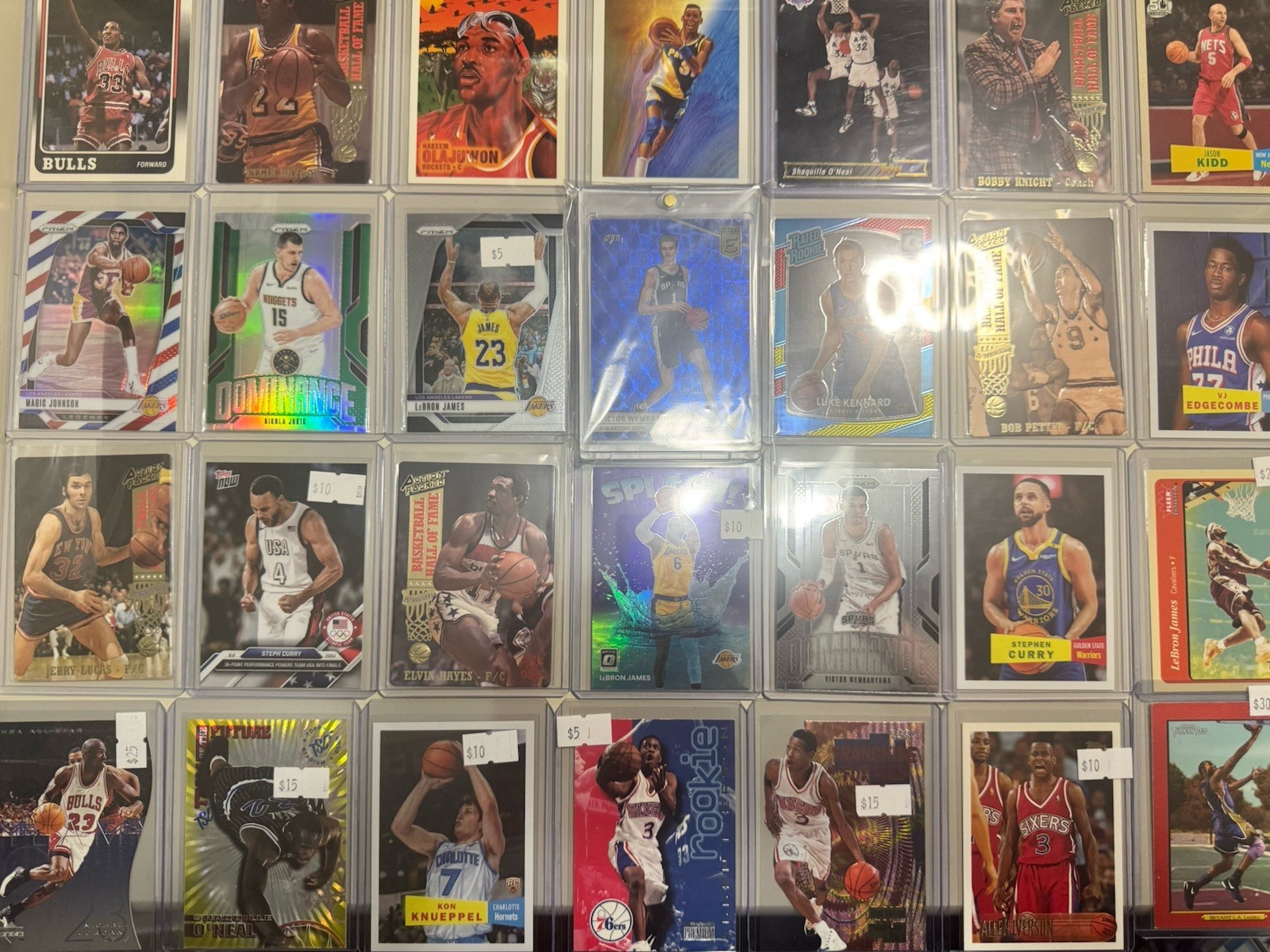
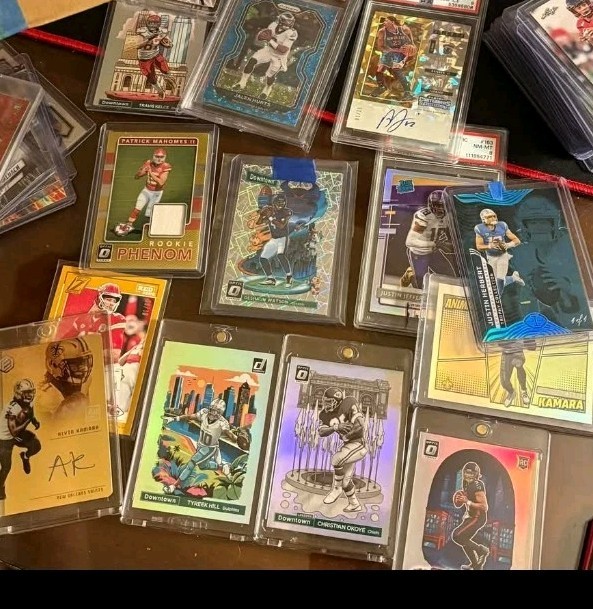


eBay links are affiliate links: JunkPal may earn a commission at no cost to you.
Resale values related to grade inflation
Shop grade inflation on eBay ↗




JunkPal may earn a commission when you buy through eBay links, at no extra cost to you.
What’s worth the most
Ranked on medians of real closed eBay sales, not asking prices.