What does “grade difference” mean?
What it means
Grade difference is the quantifiable disparity in condition between two or more trading cards. Grading services assign numerical scores, usually 1 to 10, based on standardized criteria: centering, corners, edges, and surface integrity. This score is the mainstream equivalent of a condition report. The difference between two cards—for example, a PSA 9 versus a PSA 7 of the same card—is the grade difference. This difference is not merely cosmetic; it is a codified metric that directly governs market valuation within the trading card collecting niche.
What it does to price
The grade difference creates non-linear value jumps. A jump from a mid-grade (e.g., 5 or 6) to a high-grade (e.g., 9 or 10) often results in exponential value increases, not linear ones. A card graded 9 typically fetches 3x to 10x the price of the same card graded 5, depending on scarcity. Minor differences, like a 9.5 versus a 10, can still command a 1.5x to 2x premium. For a common, high-volume card, the difference between a raw (ungraded) copy and a graded 9 might be $50 to $150.
How to spot it
Visual assessment requires scrutiny beyond casual viewing. Look for corner rounding (wear), edge whitening (fretting), and surface blemishes (scratches, print lines). Centering is critical; off-center cards drop grades significantly. Sellers must provide high-resolution, evenly lit photos showing all four edges and the front/back surface. Common mistakes include sellers misrepresenting a PSA 8 as a PSA 9, or failing to disclose minor surface wear that prevents a higher grade. Always check the specific grading company's published guidelines for the card type.
Buying smart
Paying a premium for a high grade is justified when the card is a rare, high-demand chase card (e.g., rookie parallels, modern chase inserts). For common or low-tier cards, the premium often does not outweigh the cost of acquiring a lower-grade copy and potentially upgrading it later, or simply buying the cheaper version. A fair deal involves the asking price reflecting the established market rate for that specific grade from the relevant grading company. If the premium is excessively high relative to established sales data for that grade, the deal is likely inflated.
Selling smart
To maximize return, the card must be authenticated and graded by a recognized third-party service (PSA, BGS, SGC). Selling raw cards requires detailed photographic evidence supporting the claimed condition. The single most effective element in a listing is the official, sealed slab photo from the grading company. This removes all subjective condition arguments and immediately justifies a higher price point, often allowing the seller to command 20% to 50% more than an equivalent raw listing.
On eBay right now
Current asking prices from live listings — not sold-comp medians.

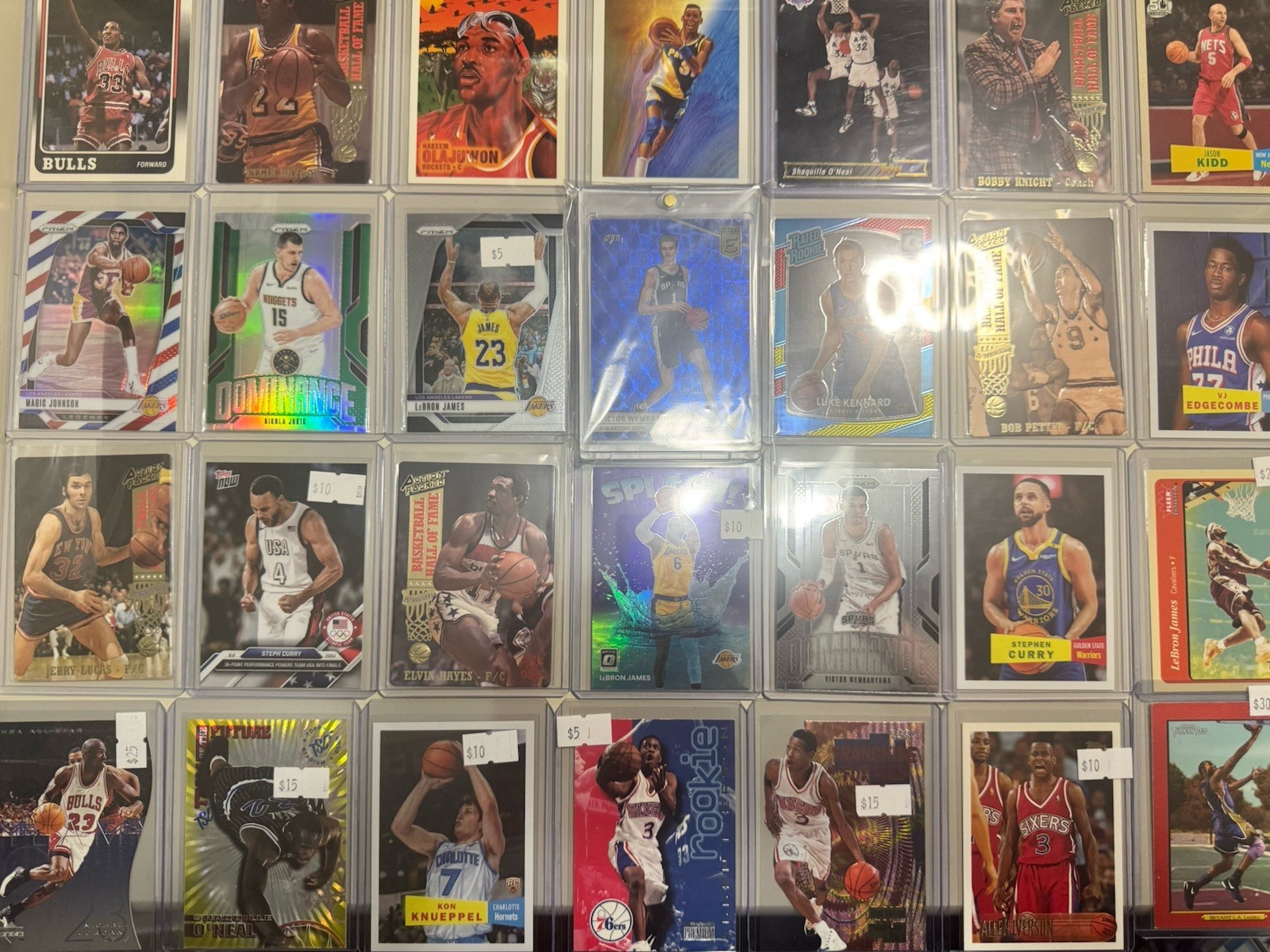
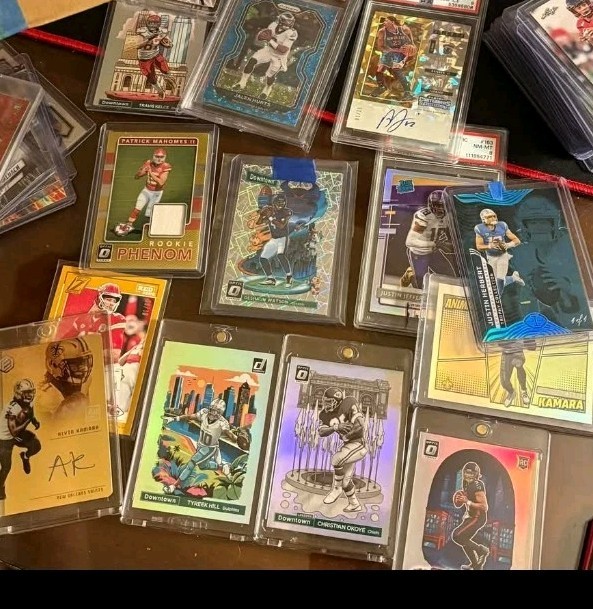

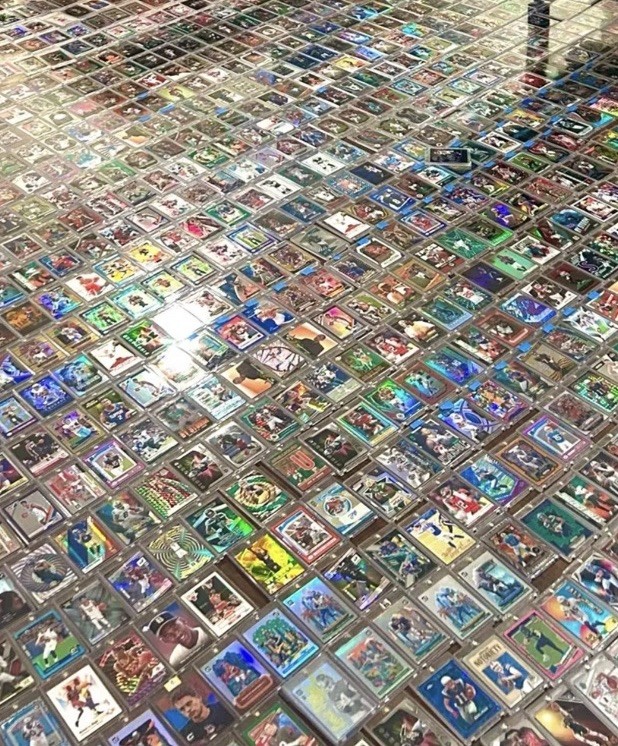

eBay links are affiliate links: JunkPal may earn a commission at no cost to you.
Resale values related to grade difference
Shop grade difference on eBay ↗

![Lapras [Tekno] #131](/api/images/junkpal-products/cards/lapras-tekno-131-pokemon-2000-topps-chrome-card/img0/thumb.webp)
![Vulpix [Tekno] #37](/api/images/junkpal-products/cards/vulpix-tekno-37-pokemon-2000-topps-chrome-card/img0/thumb.webp)
![Blastoise [Tekno] #9](/api/images/junkpal-products/cards/blastoise-tekno-9-pokemon-2000-topps-chrome-card/img0/thumb.webp)

![Squirtle [Tekno] #7](/api/images/junkpal-products/cards/squirtle-tekno-7-pokemon-2000-topps-chrome-card/img0/thumb.webp)
JunkPal may earn a commission when you buy through eBay links, at no extra cost to you.
What’s worth the most
Ranked on medians of real closed eBay sales, not asking prices.