What does “grade average” mean?
What it means
Grade average is the calculated mean numerical score applied across a group or lot of trading cards, not an individual card. It functions as a composite quality metric for bulk transactions. Mainstream equivalent: Average quality rating. When a seller lists a lot with a grade average, they are providing a single data point representing the typical condition of the entire collection. This replaces the need for a buyer to manually assess every card's condition (e.g., Near Mint, Lightly Played) before committing to a purchase. A high average indicates consistent preservation across the lot; a low average signals widespread wear.
What it does to price
The grade average directly impacts the perceived value of a lot. A lot with a consistently high grade average (e.g., 8.5+) commands a significant premium over a lot with a mixed or low average (e.g., 5.0-6.5). A lot averaging 7.5 or higher can typically fetch 1.8x to 2.5x the price of an equivalent lot with a 6.0 average, assuming comparable card scarcity. A single low-grade outlier (e.g., one card graded 2) within a large lot can drag the average down significantly, causing the entire lot's value to drop by 15-25% compared to a perfectly consistent lot.
How to spot it
Grade averages are usually provided by sellers who have either professionally graded the lot or used a standardized internal grading scale. The tell is the presentation: if the seller provides only one number, it is an average. To verify, sellers must provide grade breakdowns. Ask for a list detailing the count and grade for each distinct condition level (e.g., 50 cards at 7.0, 10 cards at 6.0). Common mistakes include sellers rounding up heavily to appear more valuable, or failing to account for minor surface wear that lowers the score.
Buying smart
Paying a premium for a grade average is justified when the collection is targeted toward high-volume investors or serious completists who value consistency over chasing a few rare high-grade singles. It is not worth the premium if the average is below 7.0, as the risk of significant hidden wear outweighs the convenience. A fair deal involves the asking price being within 10-15% of the calculated value based on the average, provided the grade breakdown supports the stated average. If the average is high but the breakdown shows 30% of the cards are below 5.0, the price is inflated.
Selling smart
Presenting a clear grade average in the listing title or description immediately filters the buyer pool toward bulk purchasers willing to pay for convenience. To earn the highest premium, the listing must include a visual representation of the grade distribution—a simple chart or a photo showing the graded/scored cards laid out. The single most effective word to include is "Consistent," paired with the average score. This signals to the buyer that the average is not artificially inflated by one or two high-grade outliers.
On eBay right now
Current asking prices from live listings — not sold-comp medians.

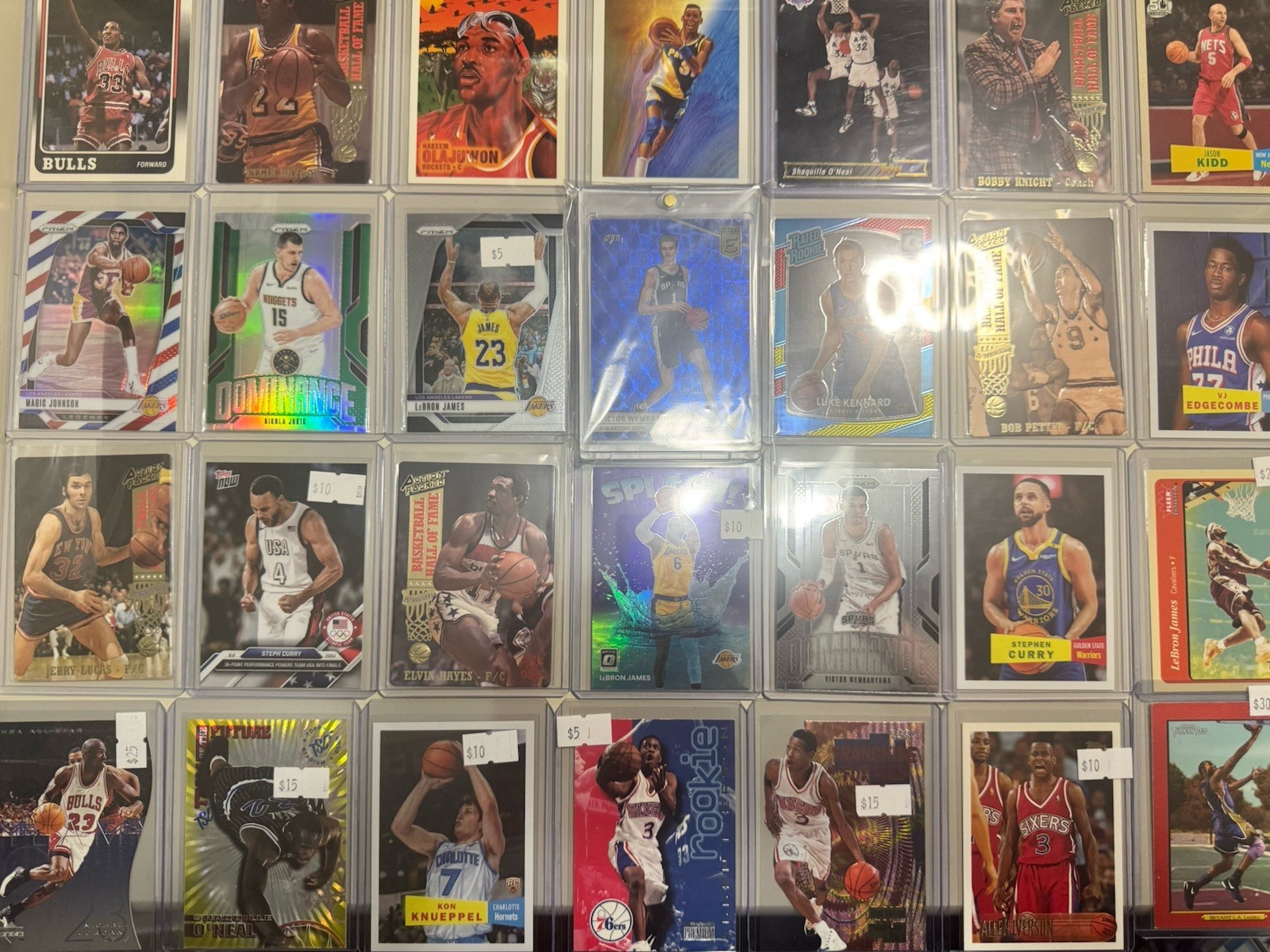
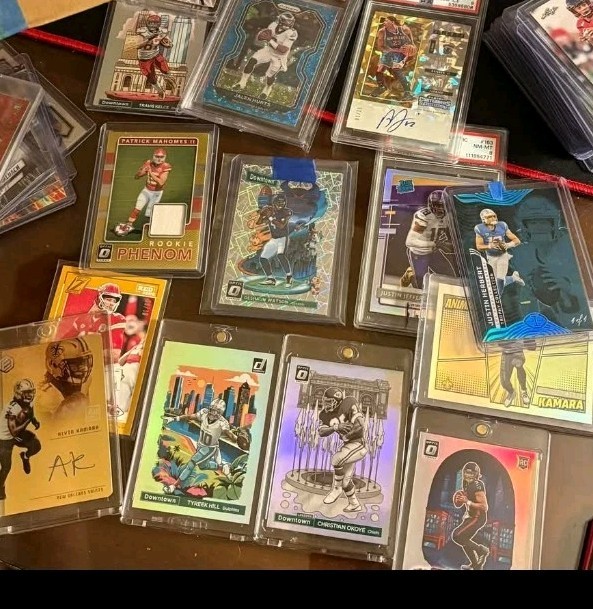



eBay links are affiliate links: JunkPal may earn a commission at no cost to you.
Resale values related to grade average
Shop grade average on eBay ↗





JunkPal may earn a commission when you buy through eBay links, at no extra cost to you.
What’s worth the most
Ranked on medians of real closed eBay sales, not asking prices.