What does “grade appeal” mean?
What it means
Grade appeal is the market-driven premium attached to a specific card's condition or grading level, beyond the intrinsic value of the player or set. It is the subjective demand placed on a specific *grade* for a specific *card*. Not all high grades are equally valuable. A card's grade appeal is amplified when that grade represents a benchmark—a perfect example of a highly sought-after rookie, a critical moment in sports history, or a card with massive general recognition. The mainstream equivalent is "collectible scarcity value," but grade appeal focuses specifically on the *perfection* of the presentation. A PSA 10 of a common player might sell for less than a PSA 9 of a superstar, purely due to the market's established appetite for that specific grade level on that specific card.
What it does to price
Grade appeal acts as a non-linear multiplier on base value. For highly desirable, low-supply cards, the jump from a Near Mint (NM) to a Gem Mint (GM) can result in a 3x to 10x price increase. For common cards, the premium is minimal, perhaps 1.1x to 1.5x. A card graded PSA 10 that is universally desired (e.g., a key rookie) might fetch $1,500, whereas an identical card graded PSA 9 might sell for $1,000. Conversely, if the market is currently saturated with perfect examples of a certain player, the grade appeal for a PSA 10 can temporarily dip, causing a $100 premium to disappear.
How to spot it
Grade appeal is often determined by the card's rarity and historical significance, not just the grade itself. Look for rookie cards, chase parallels, or cards associated with major cultural events. To assess appeal, examine the card's specific printing details—is it a short print run? Are there known variations? When purchasing, request high-resolution photos showing the corners, edges, and surface under bright, direct light. Watch for "edge whitening" or "print lines" that might be mistaken for wear but are actually production artifacts. A seller claiming a high grade must provide clear evidence supporting that grade.
Buying smart
Paying a substantial premium for grade appeal is justified only when the card is a blue-chip asset—a foundational piece of the hobby with proven, sustained demand (e.g., a top-tier rookie). If the card is mid-tier or speculative, the premium is risk. A fair deal involves comparing the asking price against the last 3-5 sales of that *exact* card in that *exact* grade. If the asking price exceeds the top 25% of recent sales without a clear, verifiable reason (like a newly announced major player endorsement), the premium is inflated.
Selling smart
Proving grade appeal in a listing requires more than just stating the grade. The listing must contextualize the card's importance. Use keywords referencing the player's status ("Rookie Icon," "Hall of Famer Benchmark"). The single most effective addition is a photo of the official slab, clearly showing the grading company's logo and the grade number. For high-value items, include a brief, factual sentence explaining *why* this specific grade is desirable (e.g., "Flawless example of the inaugural set"). This narrative justifies the premium to informed buyers.
On eBay right now
Current asking prices from live listings — not sold-comp medians.

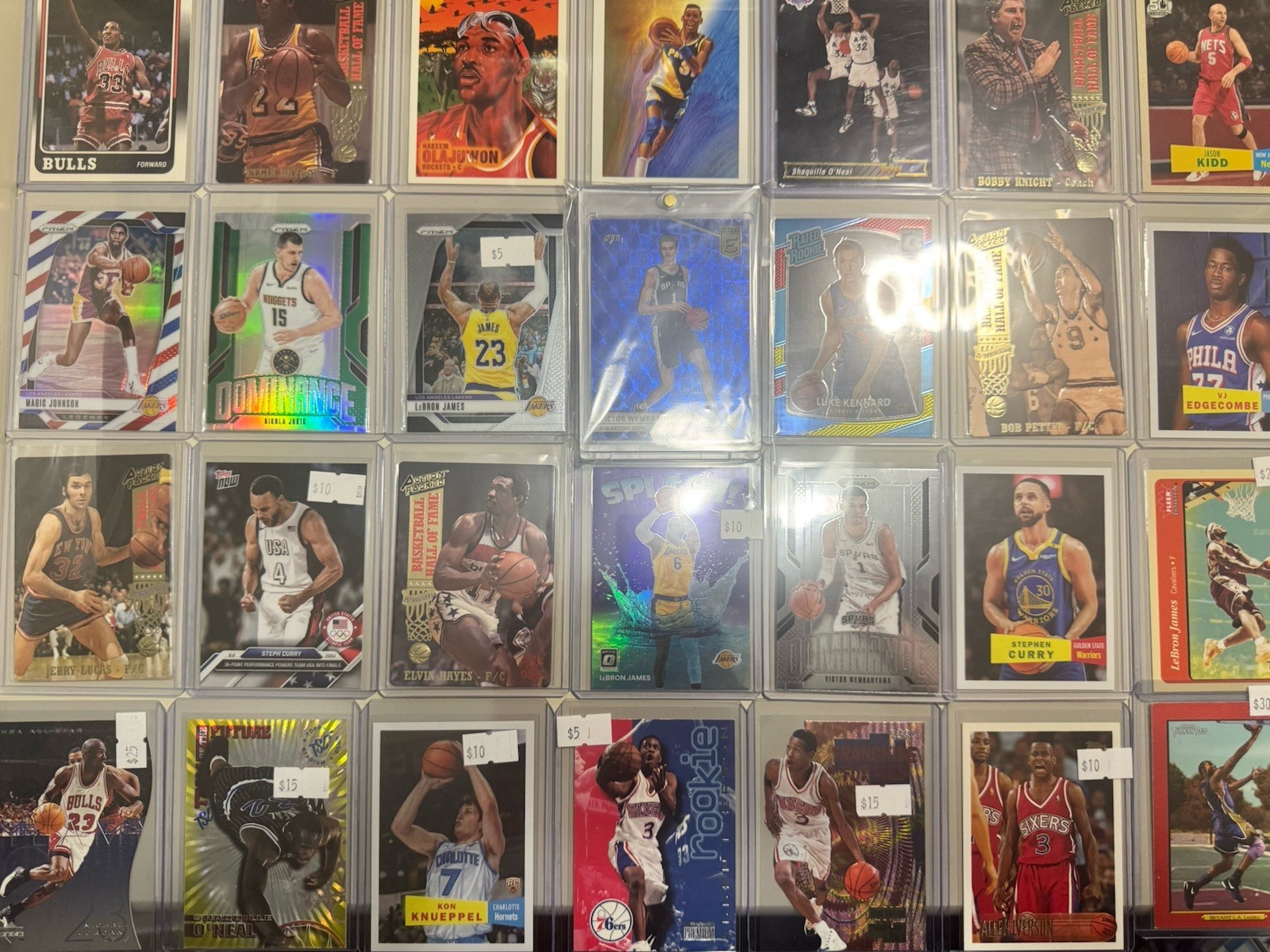
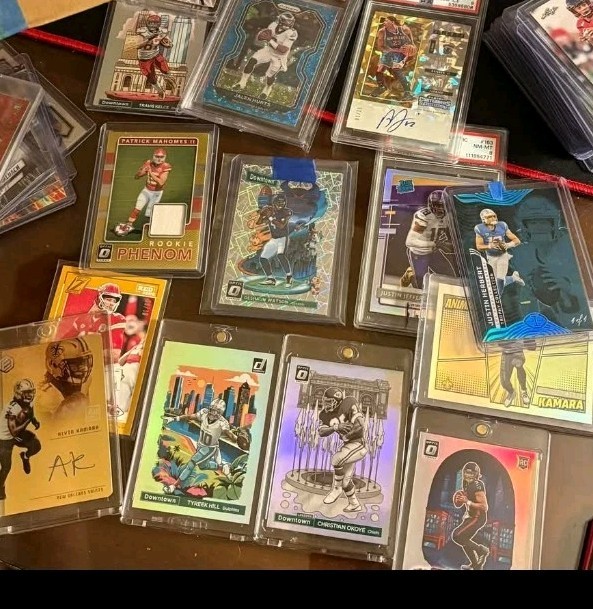

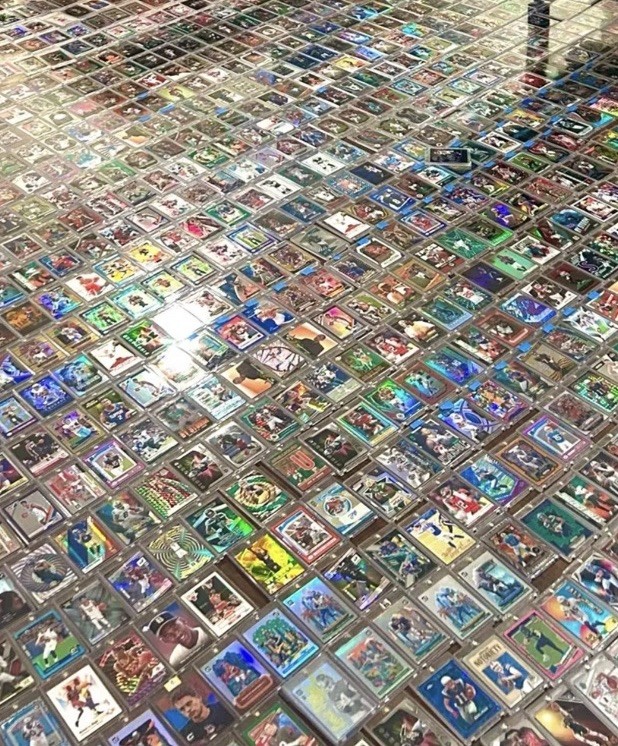

eBay links are affiliate links: JunkPal may earn a commission at no cost to you.
Resale values related to grade appeal
Shop grade appeal on eBay ↗![Kabuto [Tekno] #140](/api/images/junkpal-products/cards/kabuto-tekno-140-pokemon-2000-topps-chrome-card/img0/thumb.webp)

![Kyogre [Gold Star 1st Edition] #28](/api/images/junkpal-products/cards/kyogre-gold-star-1st-edition-28-pokemon-japanese-holon-research-card/img0/thumb.webp)
![Gengar [Reverse Holo] #10](/api/images/junkpal-products/cards/gengar-reverse-holo-10-pokemon-skyridge-card/img0/thumb.webp)
JunkPal may earn a commission when you buy through eBay links, at no extra cost to you.
What’s worth the most
Ranked on medians of real closed eBay sales, not asking prices.