What does “good” mean?
What it means
"Good" is a baseline condition grade for trading cards, situated below Very Good (VG) and Excellent (EX). It signifies a card that has seen moderate play or handling, exhibiting noticeable wear but remaining structurally sound. Acceptable wear includes minor edge wear, slight surface abrasions, or faint corner rounding. Major defects—creases, heavy ink bleed, significant staining, or deep corner dings—are excluded from this grade. In mainstream terms, this is comparable to a "Fair" to "Very Good Minus" grade, depending on the card's specific market. The condition is subjective, but the general standard is that the card is visually imperfect but fully playable or displayable without immediate repair.
What it does to price
The "Good" grade introduces a substantial depreciation factor compared to higher grades. For a common card, the price difference between "Good" and "Near Mint" can be 80-95%. For a rare or highly desirable card, the discount is less severe but still significant. A card graded "Good" typically sells for 20-40% of the price of a comparable Near Mint copy. Factors that push the price up within this grade include crisp centering and minimal surface scratching. Factors that pull it down include heavy edge chipping or visible print misalignment. For example, a sought-after rookie card in "Good" condition might sell for $15, whereas the same card in "Very Good" condition could fetch $35.
How to spot it
Inspect the edges first. "Good" cards will show clear signs of edge whitening or minor nicks. Examine the corners; they should be rounded, not sharp. Surface inspection requires magnification to confirm scuffs are light and not deep scratches. Sellers should provide high-resolution photos showing the four corners and the entire front and back surface. Common issues to watch for are edge wear being mistaken for minor scuffing, or conversely, slight surface wear being overlooked as a "good" card. Fakes are less common at this grade level unless the card is extremely rare, but poor centering is often misrepresented as minor wear.
Buying smart
Paying a premium for a "Good" card is only justifiable when the card itself possesses extreme scarcity or cultural significance, meaning the card's inherent value far outweighs the condition discount. If the card is common or only moderately desirable, the price should reflect the lower grade. A fair deal for a "Good" card involves a price that is demonstrably lower than the market average for the next grade up (e.g., VG). If the seller is asking for a price closer to the VG listing, the purchase is overpaying for the condition risk.
Selling smart
When listing a "Good" card, transparency is mandatory. Do not inflate the grade description. Buyers are sophisticated enough to recognize the difference between "Good" and "Very Good." The single most effective tool is a clear, well-lit photo showing the worst area of wear—usually a corner or an edge—with a ruler or coin in the shot for scale. Using the precise term "Good" in the listing title prevents disputes and sets accurate expectations, which leads to faster, less contentious sales.
On eBay right now
Current asking prices from live listings — not sold-comp medians.

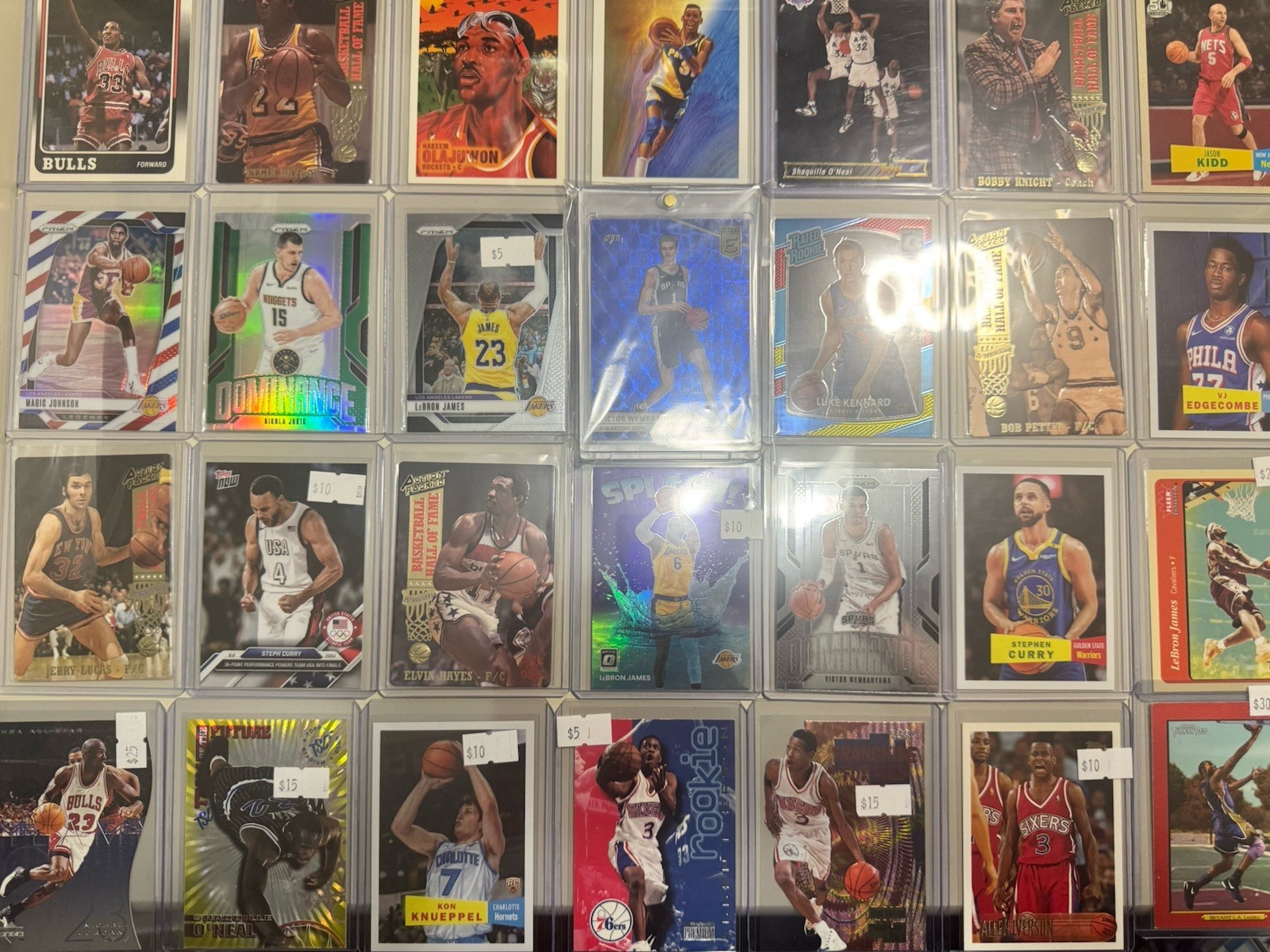
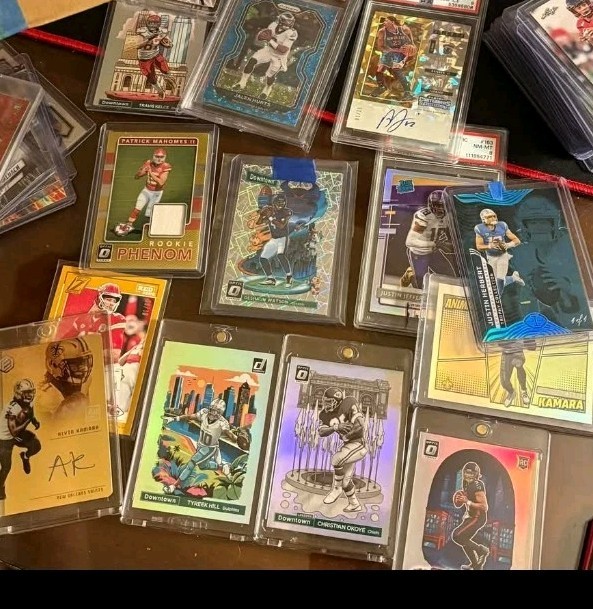



eBay links are affiliate links: JunkPal may earn a commission at no cost to you.
Resale values related to good
Shop good on eBay ↗
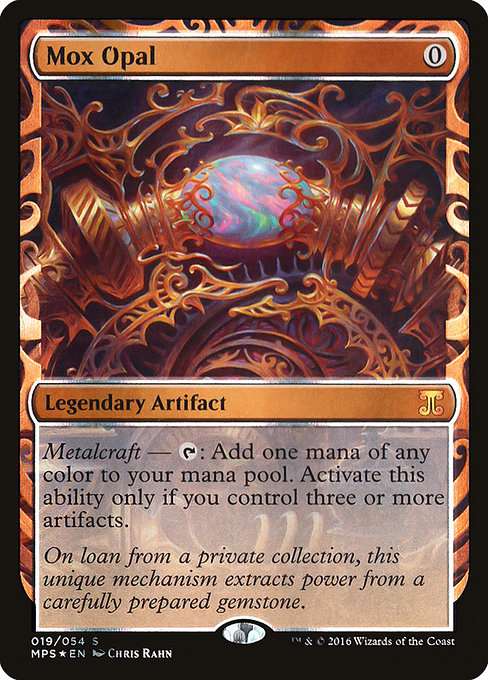
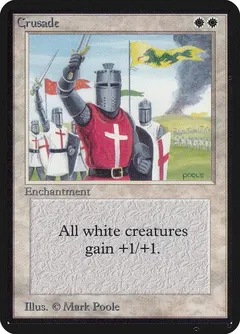

JunkPal may earn a commission when you buy through eBay links, at no extra cost to you.
What’s worth the most
Ranked on medians of real closed eBay sales, not asking prices.