What does “gold rare” mean?
What it means
"Gold rare" designates a specific, high-tier scarcity level within a trading card set. It is not merely a special holographic card; it represents the apex of rarity, often reserved for a very small print run. The "gold" designation typically implies a unique printing process, such as a full gold foil treatment, metallic ink application, or an extremely low pull rate within the set's established rarity hierarchy. Mainstream equivalent: Ultra-rare or chase card. This tier sits above standard rare, holographic, and even secret rare designations.
What it does to price
The gold rare designation acts as a significant, non-linear value multiplier. A Near Mint (NM) gold rare card typically fetches 3x to 10x the price of a standard, non-foil rare card from the same set. A Common/Base card might sell for $1-$5; a gold rare in comparable condition could easily start at $50 and scale upward significantly based on set popularity and card subject matter. Condition is the primary driver; a card graded PSA 10 commands a premium often exceeding 2x the value of a PSA 9 copy due to the near-perfection required for high-tier investment pieces.
How to spot it
Identification requires cross-referencing the specific set's official checklist or manufacturer guides. Look for specific card numbering or unique set symbols that denote the highest tier. Print details are crucial: gold rares often exhibit a distinct, high-sheen metallic texture that differs from standard holographic foils. Sellers must provide high-resolution photos showing the card under direct light to verify the foil application and check for printing errors. Common mistakes involve mislabeling a high-grade holographic card as a "gold rare" or, conversely, listing a standard foil card as gold rare to inflate price.
Buying smart
Paying a premium for a gold rare is justifiable when the card is a key centerpiece of a highly desirable, currently active, or historically significant set. The investment thesis relies on sustained demand from completionists and high-end speculators. It is not a good buy if the set is obscure, the card is easily replaceable, or the asking price exceeds 2x the established market average for verified copies. A fair deal reflects the card’s rarity tier relative to the set's overall market health.
Selling smart
Listing must explicitly state the "Gold Rare" designation and provide verifiable proof of that status. The single most effective element in a listing is a close-up photo of the card's surface, taken in bright, direct light, clearly showing the unique gold texture or foil application. Using the exact, manufacturer-defined terminology prevents buyers from assuming a lower tier. A clear description of the card's condition (e.g., "NM, corners sharp, foil intact") locks in the premium associated with the designation.
On eBay right now
Current asking prices from live listings — not sold-comp medians.

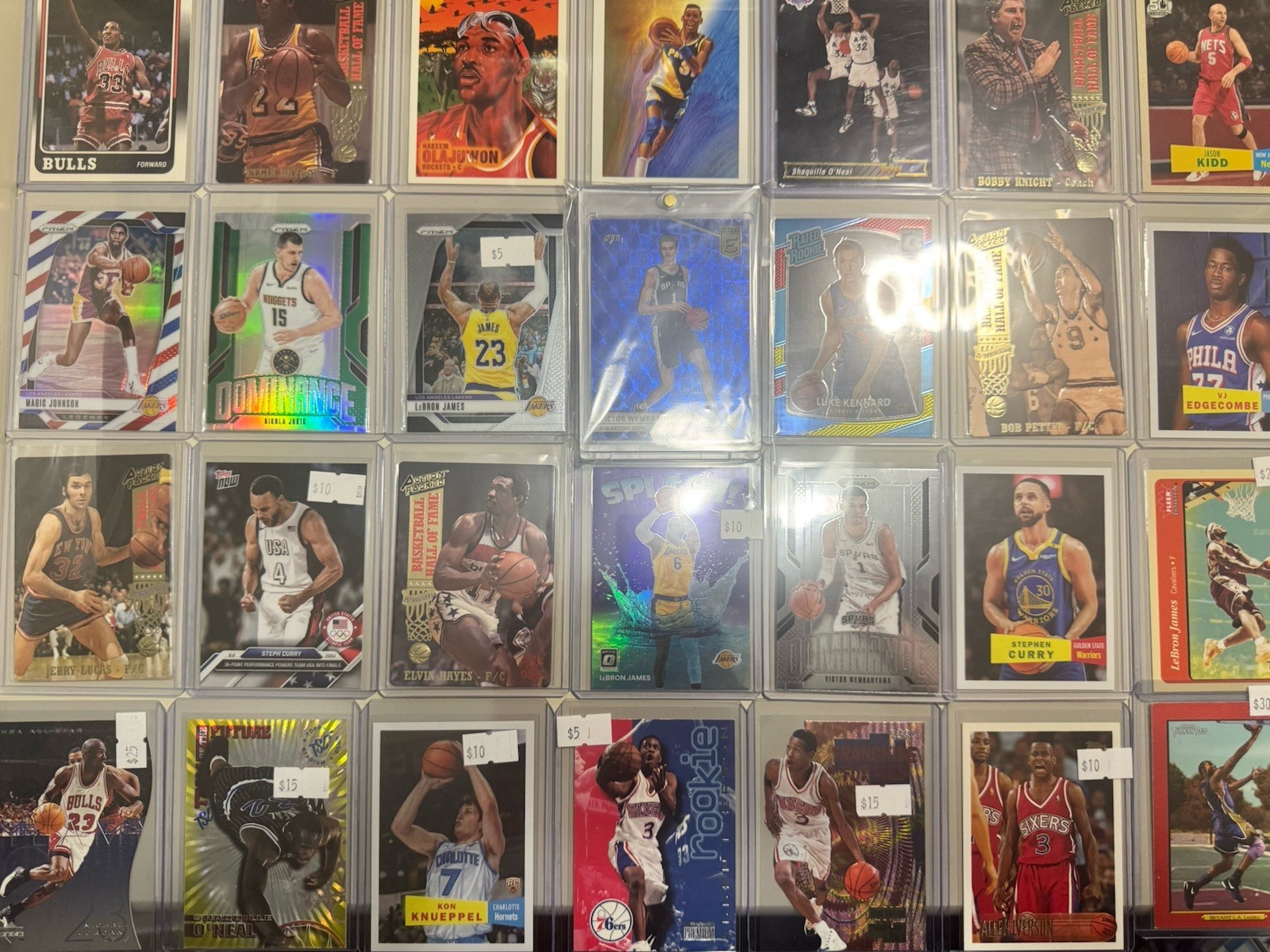
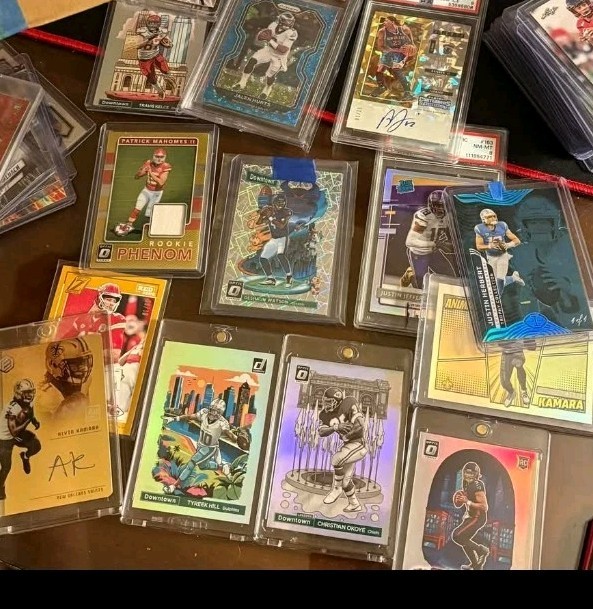


eBay links are affiliate links: JunkPal may earn a commission at no cost to you.
Resale values related to gold rare
Shop gold rare on eBay ↗

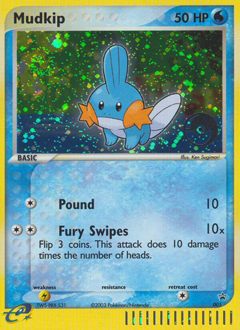


![Charizard [Sparkle] #6](/api/images/junkpal-products/cards/charizard-sparkle-6-pokemon-2000-topps-chrome-card/img0/thumb.webp)

JunkPal may earn a commission when you buy through eBay links, at no extra cost to you.
What’s worth the most
Ranked on medians of real closed eBay sales, not asking prices.