What does “gold foil” mean?
What it means
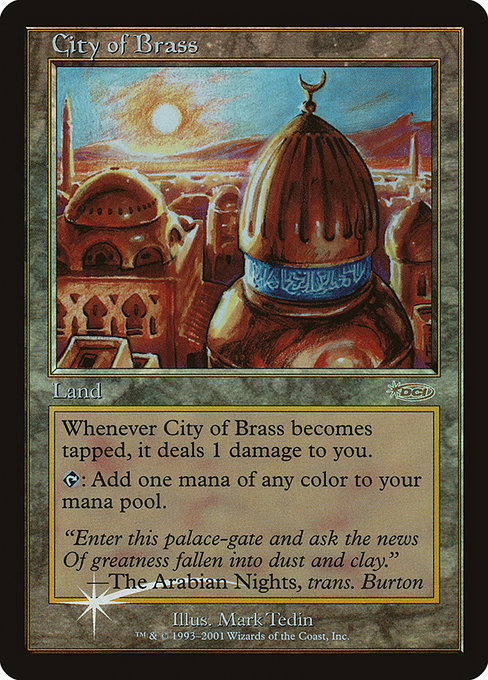
Gold foil refers to a specific surface treatment applied during the card printing process. Metallic gold material is adhered to the card stock, creating a reflective, shiny appearance. In the collecting niche, this is not merely decoration; it functions as a verifiable indicator of premium production runs, limited editions, or special event releases. The mainstream equivalent is high-end metallic printing, but the term "gold foil" specifically denotes the application of a genuine, often heat-stamped, metallic layer, differentiating it from simple gold ink washes.
What it does to price
The presence of gold foil acts as a significant upward price modifier. A standard, non-foil version of a card might trade at a base value; a foil version typically commands a multiplier of 1.5x to 4x the base price, depending on the card's inherent scarcity. Minor imperfections—such as light scuffing on the foil surface—can reduce the premium by 20-30%. Conversely, if the foil is heavily scratched or peeling, the card may revert to pricing closer to the standard version, sometimes dropping the value by 50% or more. For instance, a common foil chase card might fetch $15, while the same card without foil might only sell for $5.
How to spot it
The telltale sign is the distinct, highly reflective sheen that catches light sharply, unlike the matte or semi-gloss finish of standard printing. Look closely at the edges of the foil application; professional foil stamping should be crisp and seamlessly integrated. Edition markers or set inclusions often specify "Gold Foil" or "Metallic Finish." When purchasing online, request high-resolution, direct-light photographs focusing specifically on the foil area. Common issues include "gold bleed," where the foil has slightly migrated into the card stock, or "foil cracking," which is a structural failure of the metallic layer.
Buying smart
Paying a premium for gold foil is justified when the card is a confirmed chase rarity, part of a highly sought-after set, or when the foil application is pristine. If the card is a common reprint or a low-tier promotional item, the added cost of the foil is unlikely to yield a proportional return on investment. A fair deal involves the asking price reflecting the rarity *plus* a reasonable premium for the finish, generally not exceeding 40% over the non-foil equivalent unless the card is exceptionally scarce.
Selling smart
To maximize return, the listing description must explicitly use the term "Gold Foil" and detail its condition. The single most effective piece of evidence is a close-up photograph taken under direct, bright lighting that clearly demonstrates the metallic reflection of the foil. Using precise language—e.g., "Pristine Gold Foil," "No Scratches or Wear"—allows the seller to command the top end of the market range. Omitting this detail forces the buyer to assume the worst, leading to a lower offer.
On eBay right now
Current asking prices from live listings — not sold-comp medians.

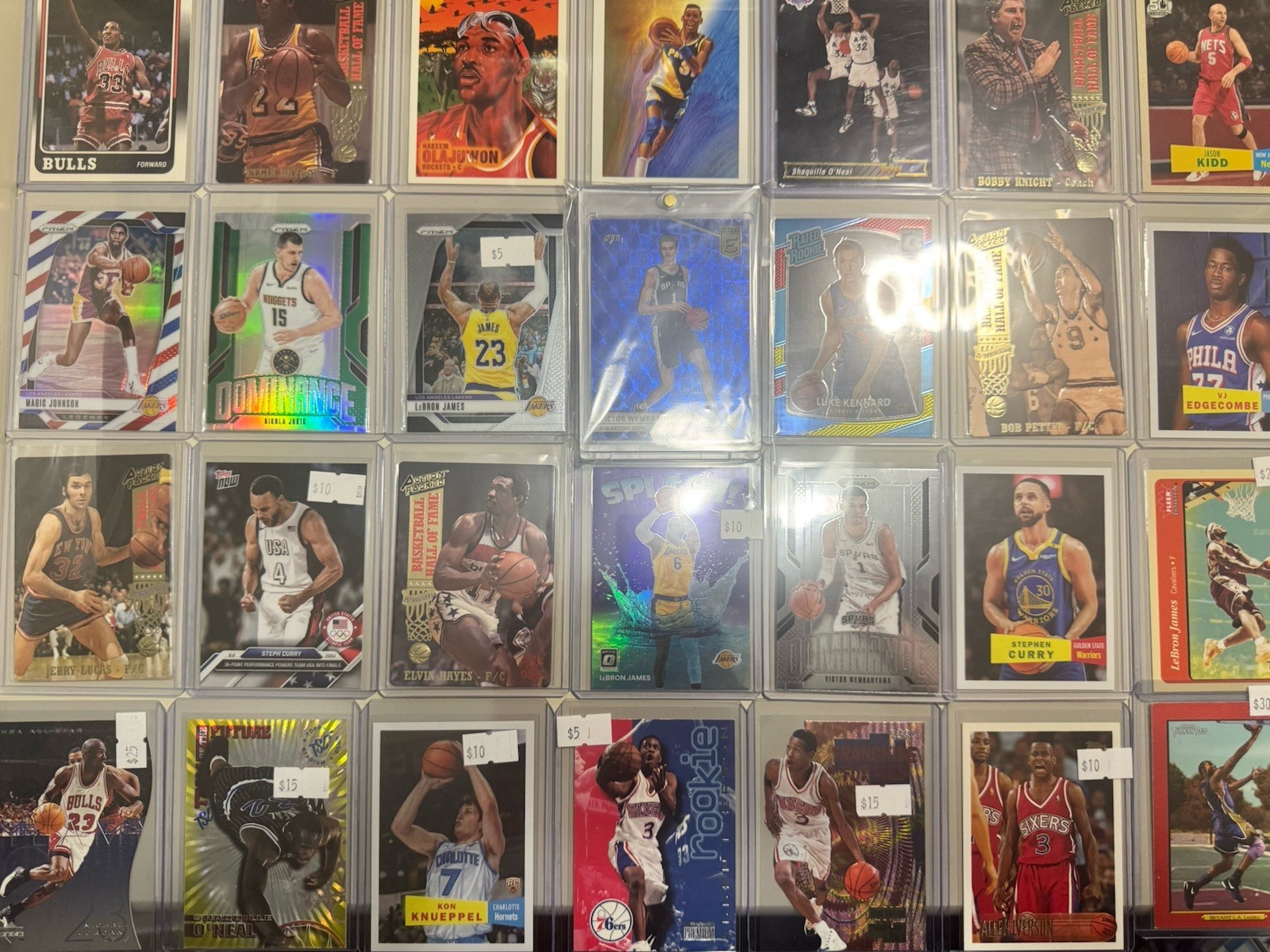
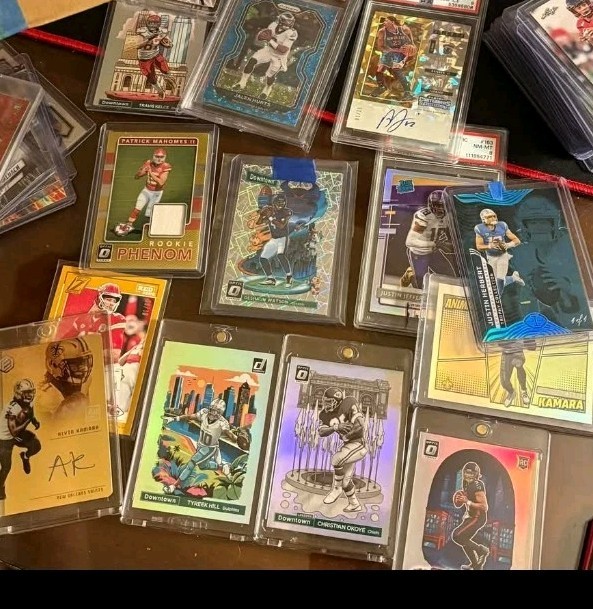


eBay links are affiliate links: JunkPal may earn a commission at no cost to you.
Resale values related to gold foil
Shop gold foil on eBay ↗



![Lapras [Tekno] #131](/api/images/junkpal-products/cards/lapras-tekno-131-pokemon-2000-topps-chrome-card/img0/thumb.webp)
![Vulpix [Tekno] #37](/api/images/junkpal-products/cards/vulpix-tekno-37-pokemon-2000-topps-chrome-card/img0/thumb.webp)
JunkPal may earn a commission when you buy through eBay links, at no extra cost to you.
What’s worth the most
Ranked on medians of real closed eBay sales, not asking prices.