What does “gloss” mean?
What it means
Gloss refers to the surface finish applied to a trading card. In manufacturing, it is a protective, often high-sheen coating applied during printing. It is not merely an aesthetic choice; it is a physical layer that affects durability. For collectors, this finish is part of the card's overall condition assessment. A card with a factory gloss has the intended sheen of the original print run. A lack of gloss, or a dull finish, can indicate poor printing, wear, or improper storage, regardless of the card's structural integrity (corners, edges). This finish is distinct from a protective plastic sleeve or slab, which are external additions.
What it does to price
Gloss quality directly impacts the perceived grade and marketability. A factory-applied, vibrant gloss significantly supports a higher grade, often pushing a card from a mid-tier grade (e.g., PSA 8) to a higher tier (e.g., PSA 9) if the gloss integrity is perfect. A card with a heavily worn or scratched gloss, even if structurally sound, will see a discount of 15-30% compared to a pristine example. Conversely, a card with a dull, matte finish when the set is known for high gloss might be valued 10-20% lower unless the matte finish is an intentional, documented variant. For example, a high-demand rookie card with perfect gloss might fetch $100 more than the exact same card with a noticeable gloss abrasion.
How to spot it
The tell is visual inspection under direct light. Factory gloss creates sharp, specular highlights—bright, defined reflections on the surface. Poor gloss manifests as a flat, uneven sheen, or noticeable micro-scratches that catch the light irregularly. Sellers must provide high-resolution, well-lit photos taken at an angle to capture the reflection. A common mistake is confusing the card's inherent gloss with the reflection from a protective outer sleeve. If the card is inside a slab, the gloss is judged based on the card itself, not the plastic enclosure. Fakes sometimes use inferior printing processes resulting in a plasticky, unnatural sheen rather than a smooth, integrated gloss.
Buying smart
Paying a premium for gloss is justified when the card is a high-value, centerpiece item where aesthetic perfection is paramount (e.g., top-tier chase cards). If the card is a lower-tier, high-volume card, the marginal increase in price for perfect gloss may not outweigh the risk. A fair deal involves the seller explicitly stating the gloss quality—"Mint factory gloss" or "Gloss intact." If the seller is vague, assume standard wear. A good deal is when the price reflects the expected grade *plus* a small premium (5-10%) for documented, high-quality gloss integrity.
Selling smart
Documenting gloss quality is a direct lever for price realization. Listing photos must include a close-up shot of the card under bright, direct light to showcase the reflection. The listing description must use precise language: "Factory Gloss," "High Sheen," or "Gloss Imperfections Present." Simply stating "Excellent condition" is insufficient. Adding a single word like "Glossy" or "High Gloss Finish" alongside photographic proof allows the seller to command a 10-25% premium over listings that omit this critical visual detail.
On eBay right now
Current asking prices from live listings — not sold-comp medians.

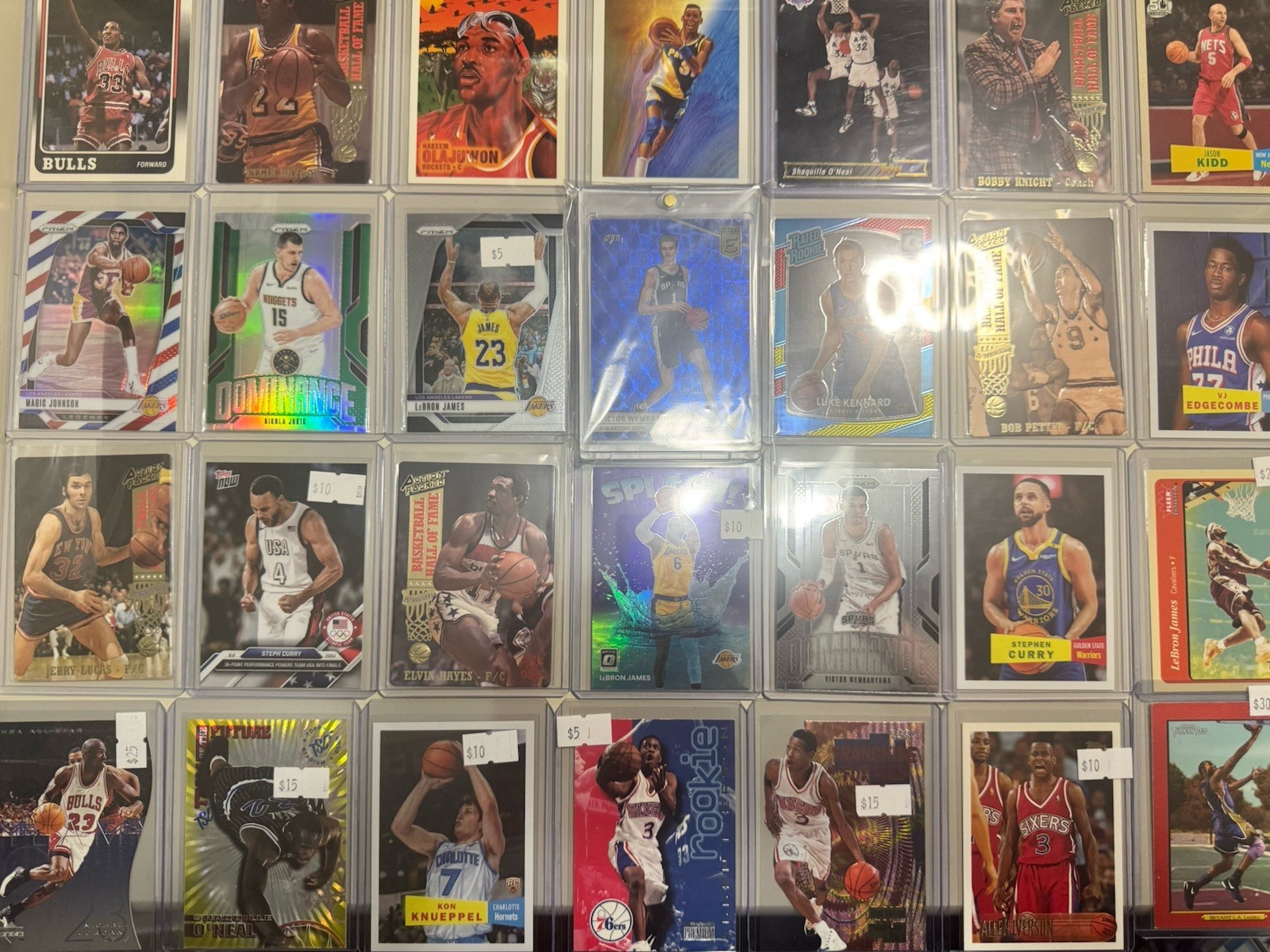
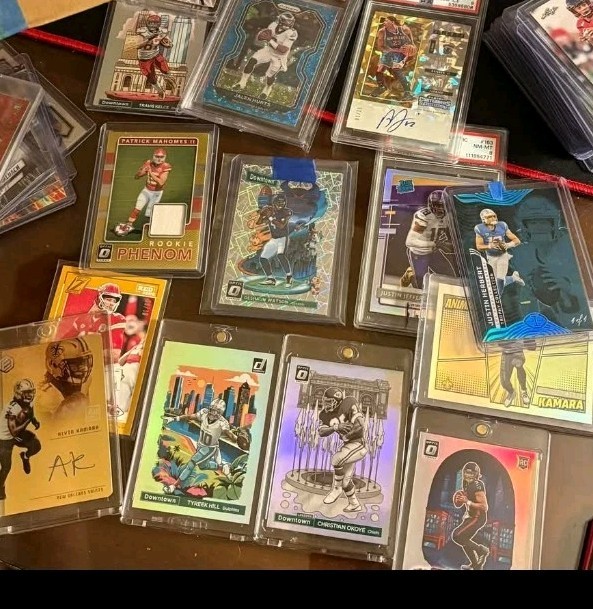

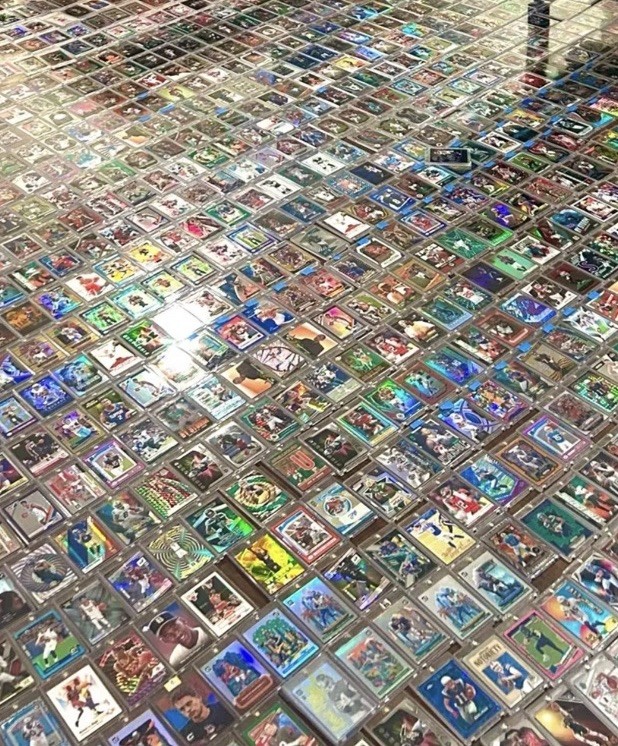

eBay links are affiliate links: JunkPal may earn a commission at no cost to you.
Resale values related to gloss
Shop gloss on eBay ↗

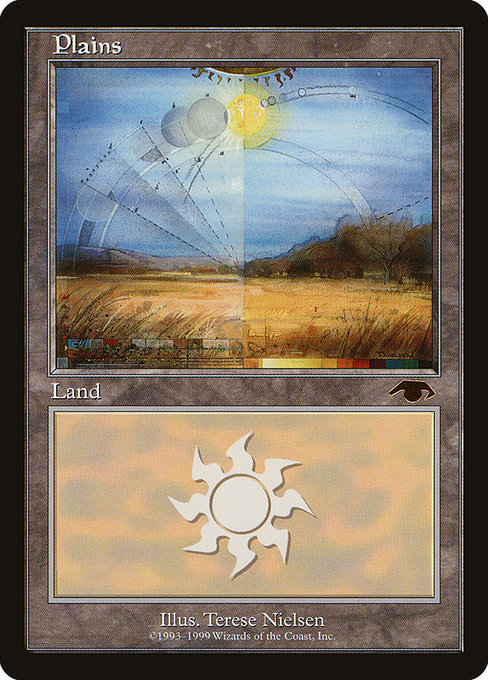

![Kabutops [Sparkle] #141](/api/images/junkpal-products/cards/kabutops-sparkle-141-pokemon-2000-topps-chrome-card/img0/thumb.webp)
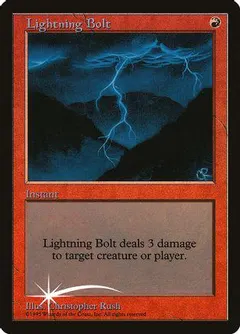

JunkPal may earn a commission when you buy through eBay links, at no extra cost to you.
What’s worth the most
Ranked on medians of real closed eBay sales, not asking prices.