What does “ghost rare” mean?
What it means
A "ghost rare" is a trading card variant characterized by an extremely low print run, usually stemming from a subtle, unintentional production error or a highly limited, unadvertised print run. It is not merely a standard rare card or a common print variation. The term implies a visual anomaly—a slight color shift, a missing ink layer, or a specific pattern deviation—that is difficult for the untrained eye to detect. Mainstream collectors might equate this to a "print error" or "variant," but the "ghost" designation emphasizes its near-invisible scarcity. Its value is derived from its confirmed rarity, not just its visual difference.
What it does to price
The price multiplier for a verified ghost rare is highly volatile, often ranging from 5x to 20x the value of the standard, non-error version of the same card. A standard holographic rare might fetch $50 loose; a confirmed ghost rare version of that same card could easily command $300 to $1,000+ depending on the severity of the error and the card's base market demand. Factors that push the price up include documented proof of the error (e.g., manufacturer confirmation) and high-grade condition (PSA 10 equivalent). A minor, easily dismissed printing flaw might only yield a 2x premium, while a fundamental, documented color shift can push it into the high-tier multipliers.
How to spot it
Spotting a ghost rare requires magnification and comparison against known good copies. The tells are microscopic: look for registration errors (where colors are slightly misaligned), subtle shifts in holographic foil patterning, or unique ink density variations on the card surface. Sellers must provide high-resolution, side-lit images. Common pitfalls include simple manufacturing defects (scratches, corner whitening) which are *not* ghost rares, and amateur "fake" errors created by manipulating digital images. If the anomaly is subjective or easily dismissed as wear, it is not a ghost rare.
Buying smart
Paying a significant premium for a ghost rare is justified only when the card is from a highly desirable set or features a key chase character, and the error is verifiable. If the base card is low-demand or common, the premium cost is rarely worth the risk. A fair deal requires the seller to provide evidence of the specific anomaly. If the seller cannot clearly demonstrate the difference between the card in question and a standard version under magnification, the price should be discounted to reflect a standard rare, as the "ghost" status is unproven.
Selling smart
The listing must explicitly define the anomaly. Generic terms are insufficient. Instead of stating "ghost rare," the listing must detail the specific flaw: "Ghost Rare: Registration error on the left border, visible under 10x magnification." The single most valuable asset in the listing is a macro photograph that clearly isolates and highlights the specific visual deviation. This evidence shifts the transaction from a speculative purchase to a documented acquisition, allowing the seller to command the maximum, verified premium.
On eBay right now
Current asking prices from live listings — not sold-comp medians.



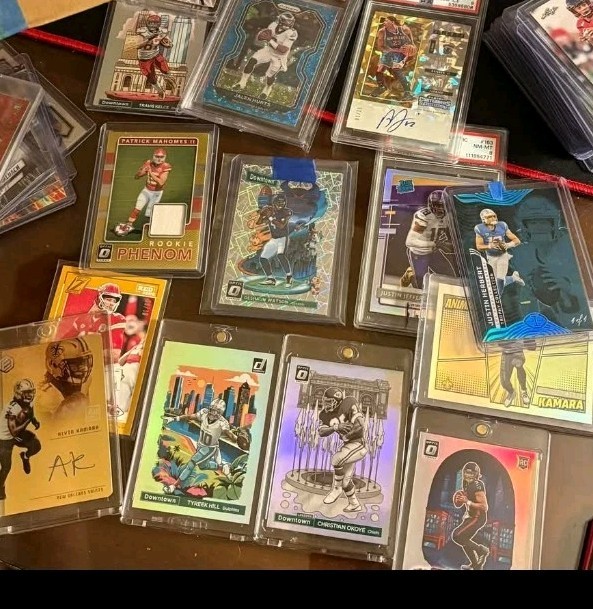


eBay links are affiliate links: JunkPal may earn a commission at no cost to you.
Resale values related to ghost rare
Shop ghost rare on eBay ↗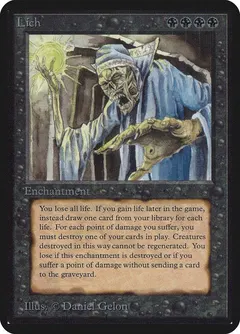
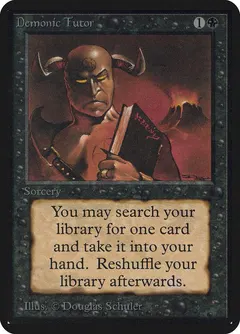
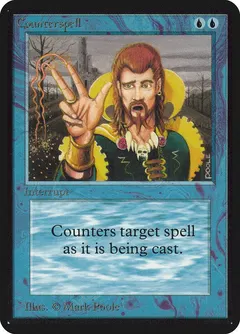



JunkPal may earn a commission when you buy through eBay links, at no extra cost to you.
What’s worth the most
Ranked on medians of real closed eBay sales, not asking prices.