What does “GEM mint card” mean?
What it means
Gem Mint card refers to a trading card authenticated and graded by a professional grading service (e.g., PSA, BGS) to the highest possible standard, typically a 10. This designation means the card exhibits virtually zero imperfections. Flaws such as surface scratches, print misalignment, edge wear, corner rounding, or centering issues are absent or negligible. The mainstream equivalent is "perfect condition." This grading is not subjective; it is an objective assessment documented by the grading company. The slab containing the card is part of the asset's value, not just the card itself.
What it does to price
The Gem Mint grade applies a significant, non-linear premium over lower grades. A card graded Gem Mint typically fetches 3x to 10x the price of a comparable Near Mint (NM) or Mint (MT) ungraded copy, depending on the card's rarity. The primary driver for price inflation is the scarcity of truly perfect examples. A high-demand, low-print-run card in Gem Mint condition can see price spikes exceeding 500% compared to its NM counterpart. A common error is assuming a high-grade card is automatically valuable; a common card in Gem Mint condition will still sell for a low premium, whereas a rare card in Gem Mint condition commands top-tier pricing.
How to spot it
Spotting a true Gem Mint card relies on the grading company's certification, not visual inspection alone. However, when assessing potential candidates, examine the card's centering—it must be near perfect (ideally 55/45 or better). Check the edges under magnification for whitening or chipping. Look for print consistency; color saturation and sharpness must be uniform across the card. Common issues that prevent a Gem Mint grade include slight print variations, minor surface abrasions invisible to the naked eye, or slight corner lifting. Sellers attempting to pass off a high-grade card often use poorly lit photos that hide edge wear.
Buying smart
Paying a premium for a Gem Mint card is justified only when the card possesses high market demand and inherent scarcity. If the card is common or has low historical sales volume, the premium is speculative and risky. A fair deal involves comparing the graded price against recent sales data for the exact card in that specific grade. If a card is listed as Gem Mint but the grading company has a history of being overly generous with that specific card type, caution is warranted. A fair purchase price reflects the documented scarcity, not just the perceived perfection.
Selling smart
Proof of the Gem Mint grade is the primary mechanism for commanding top dollar. The grading slab itself acts as the certified proof of condition, eliminating buyer uncertainty. In a listing, the most impactful element is the clear photo of the card *inside* the sealed, graded slab, along with the certification number visible on the label. Listing the card as "PSA 10" or "BGS 9.5" is more effective than describing it as "perfect." This single piece of verifiable data shifts the sale from a condition negotiation to a market transaction based on established grading tiers.
On eBay right now
Current asking prices from live listings — not sold-comp medians.

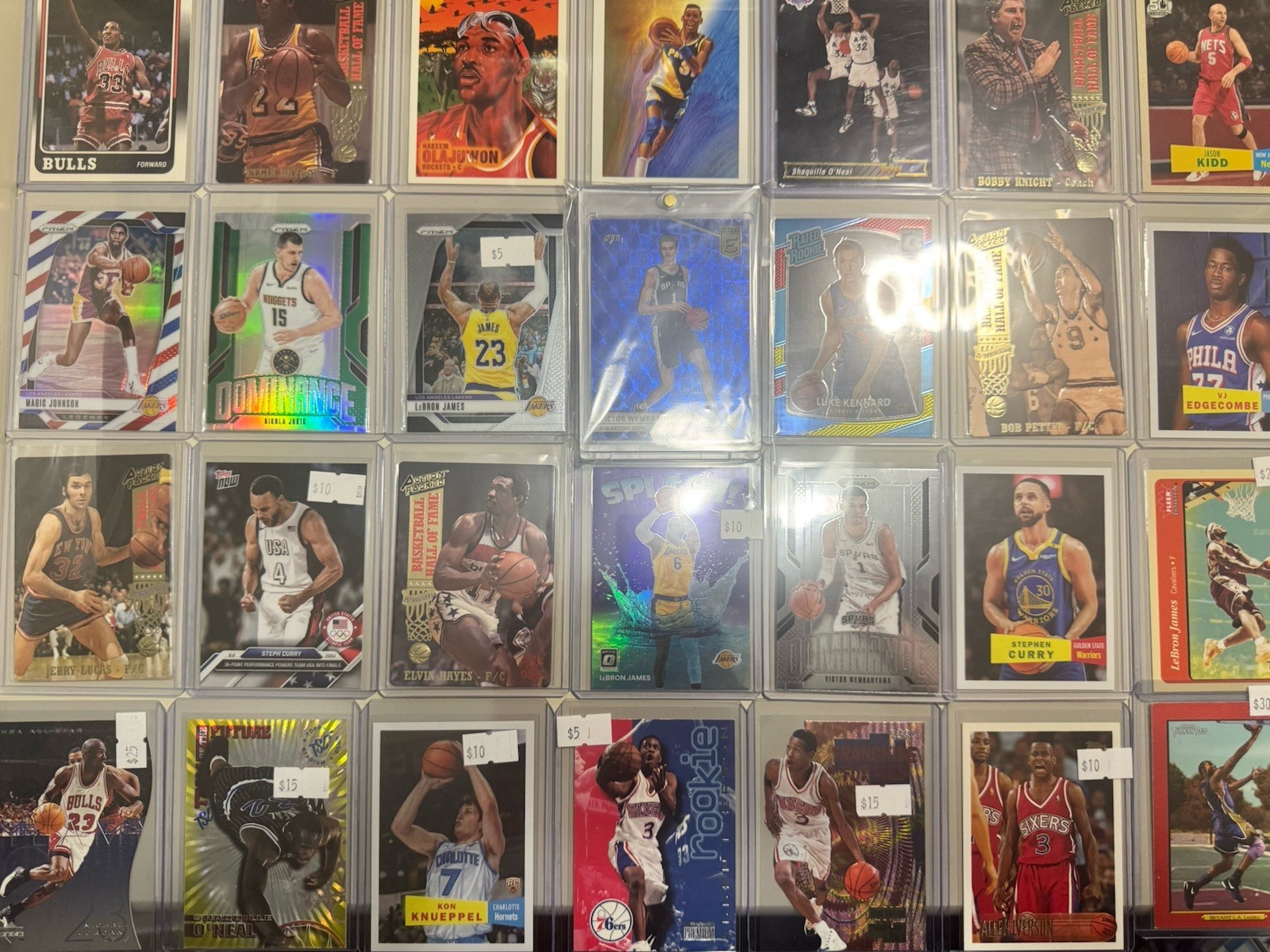
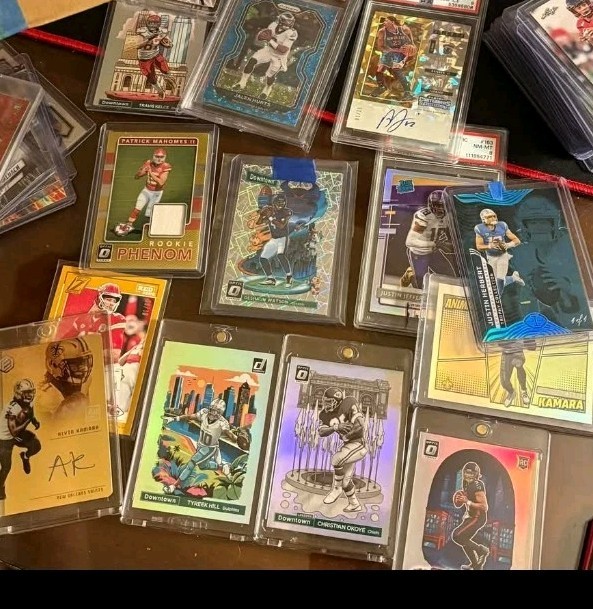

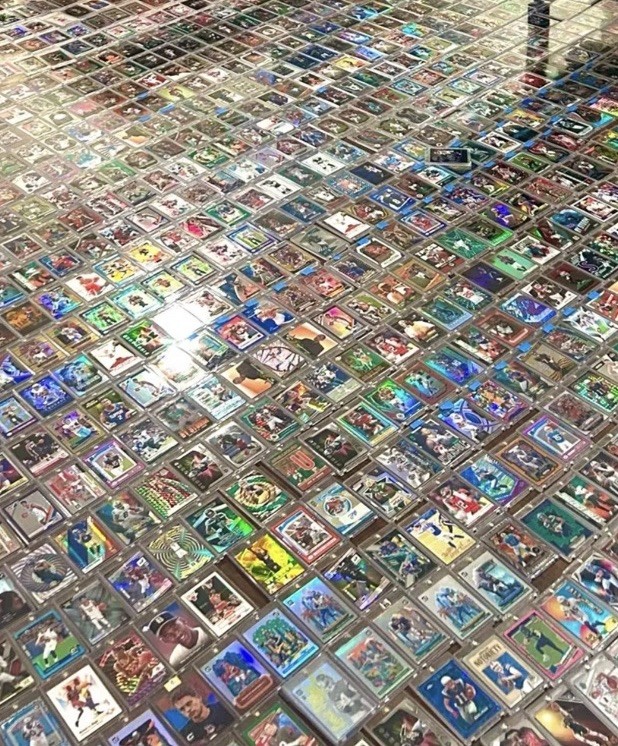

eBay links are affiliate links: JunkPal may earn a commission at no cost to you.
Resale values related to GEM mint card
Shop GEM mint card on eBay ↗





JunkPal may earn a commission when you buy through eBay links, at no extra cost to you.
What’s worth the most
Ranked on medians of real closed eBay sales, not asking prices.