What does “GEM mint” mean?
What it means
"Gem Mint" is the highest achievable grading designation for a trading card, signifying a card that is objectively flawless. This term goes beyond "Near Mint" (NM). A Gem Mint card exhibits no discernible flaws under high magnification. This includes zero surface scratches, no edge whitening, no print registration errors, and no creasing or dents. In mainstream terms, this is equivalent to a "Perfect" or "Pristine" condition rating. The condition is not merely "very good"; it is factory-perfect relative to the card's production run.
What it does to price
The Gem Mint designation commands the highest price premium. Depending on the card's rarity, this grade can fetch 3x to 10x the price of a standard Near Mint copy. For a common chase card, the difference might be $50 to $150. For a high-demand, rare card, the difference can easily be several thousand dollars. Factors pushing the price up include the card being a first-print version or having unique holographic elements that are perfectly intact. Price erosion occurs if the card shows any minor handling marks, even if they are microscopic.
How to spot it
Spotting true Gem Mint requires close inspection, often under a jeweler's loupe. Look specifically at the corners; any rounding or whitening indicates wear. Examine the surface for micro-scratches, which are often invisible to the naked eye but are disqualifying for this grade. Print quality must be sharp across the entire card surface—no bleeding ink or faded colors. A common mistake is confusing a card that is "unplayed" with one that is "Gem Mint." An unplayed card might have slight handling marks from being in a pack. Always request high-resolution images of the edges and corners from the seller before committing to a purchase.
Buying smart
Paying a premium for Gem Mint is justified only when the card is a major investment piece, a centerpiece of a high-value collection, or a card with extremely limited print runs. If the card is common or has a low market ceiling, the premium often outweighs the potential return. A fair deal involves the asking price being within 15-25% of the established auction high for graded Gem Mint copies of that specific card. If the seller is asking for 50% more than the market average, the risk is too high unless the card is exceptionally rare.
Selling smart
To command the top-tier price, the listing must unequivocally prove the card’s flawless state. Simple descriptions are insufficient. The listing must include at least one high-resolution macro photograph focused specifically on the four corners and the center surface. The word "Gem Mint" must be backed by photographic evidence, not just assertion. If the card is professionally graded, the slab number and grade must be prominently displayed. The single most effective element in a listing is a close-up photo showing the card under intense, direct white light, eliminating shadows and revealing any potential flaws.
On eBay right now
Current asking prices from live listings — not sold-comp medians.

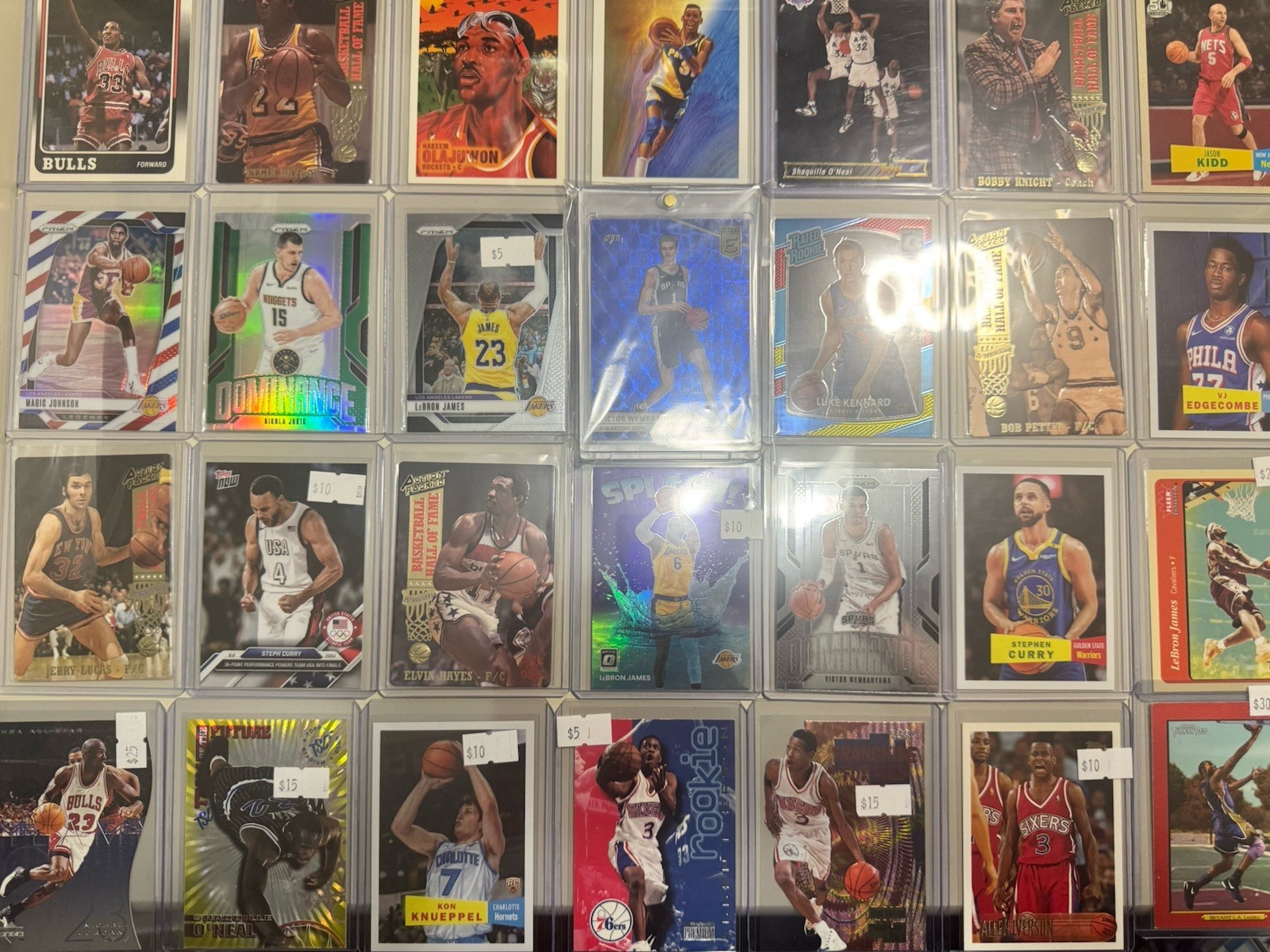
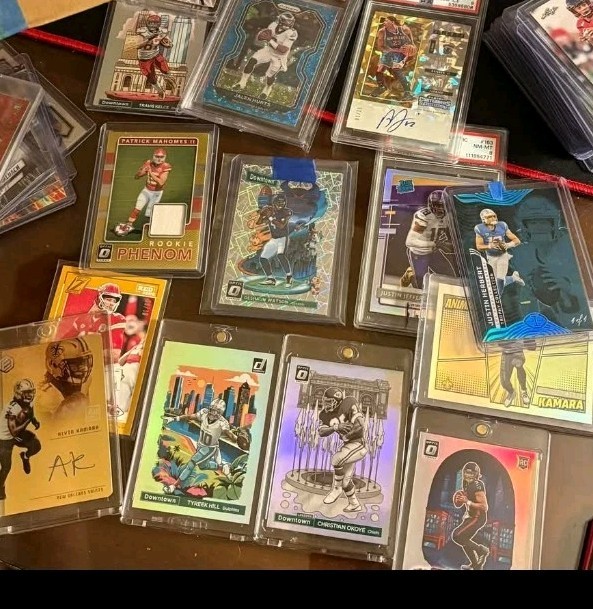


eBay links are affiliate links: JunkPal may earn a commission at no cost to you.
Resale values related to GEM mint
Shop GEM mint on eBay ↗
![Eevee [Sparkle] #133](/api/images/junkpal-products/cards/eevee-sparkle-133-pokemon-2000-topps-chrome-card/img0/thumb.webp)


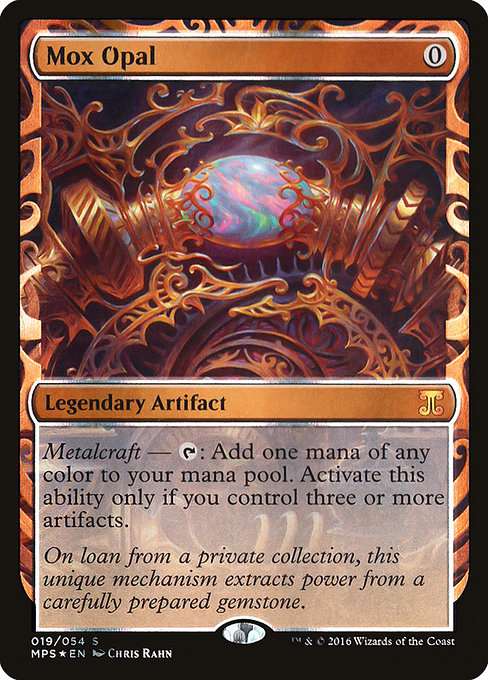
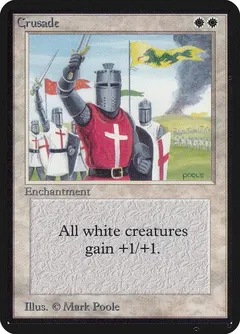
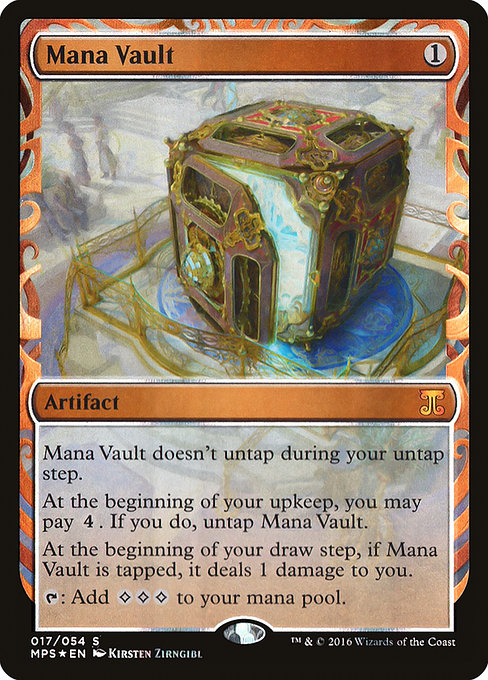
JunkPal may earn a commission when you buy through eBay links, at no extra cost to you.
What’s worth the most
Ranked on medians of real closed eBay sales, not asking prices.