What does “game-used” mean?
What it means
Game-used refers to a trading card that was physically handled or used by a player during an actual competitive event. This is distinct from a card merely being signed by the player. The value proposition is the provenance—the card was present and part of the action. In the collecting niche, this is the highest tier of physical item designation, surpassing standard memorabilia. The term requires verifiable proof of use; a signature alone does not qualify. The card must demonstrate a tangible link to the game itself.
What it does to price
Game-used status applies a significant, non-linear premium. A standard, ungraded copy of a desirable rookie card might sell for $50. A verified game-used version of that same card can easily fetch $500 to $2,000+, depending on the player's market saturation and the specific game evidence. The multiplier is highly variable, often 10x to 40x or more compared to a standard version. Factors pushing the price up include high-profile matchups (e.g., championship games) and documented use in a decisive moment. A card that is claimed game-used but lacks any verifiable documentation will trade at a severe discount, potentially 50% less than a properly authenticated piece.
How to spot it
Directly spotting game use without professional authentication is difficult for the average buyer. Sellers must provide evidence. Acceptable evidence includes a Certificate of Authenticity (COA) from a recognized third-party grading service (e.g., PSA/DNA, Beckett Authentication Services). Sellers should provide high-resolution photos showing the card in context, such as being held by the player during the event, or showing specific wear patterns consistent with game play (e.g., minor scuffs on the edges from being handled on the field). Common fakes involve simple "game-used" stamps applied to non-game cards. An honest mistake is confusing a card that was *in* the stadium with one that was *used* in the game.
Buying smart
Paying a premium for game-used items is justified only when the provenance is ironclad. If the seller provides a COA from a reputable service, the premium is warranted. If the claim rests solely on the seller's word, the premium is speculative risk. A fair deal requires the premium paid to be directly correlated with the strength of the verification. If a $500 card is only supported by a vague note from the seller, the purchase is overpriced. If it is supported by a graded, certified COA, the price is within the expected range for that tier.
Selling smart
Listing a game-used card requires the documentation to be front and center. The listing description must explicitly state the verification method (e.g., "PSA Authenticated Game Used"). The single most valuable addition to the listing is the photo showing the COA alongside the card. This visual confirmation immediately shifts the item from a high-end collectible to a verifiable asset. Buyers pay a substantial premium for this documented risk reduction; without clear proof, the item is relegated to the "unverified memorabilia" category, drastically lowering the achievable sale price.
On eBay right now
Current asking prices from live listings — not sold-comp medians.

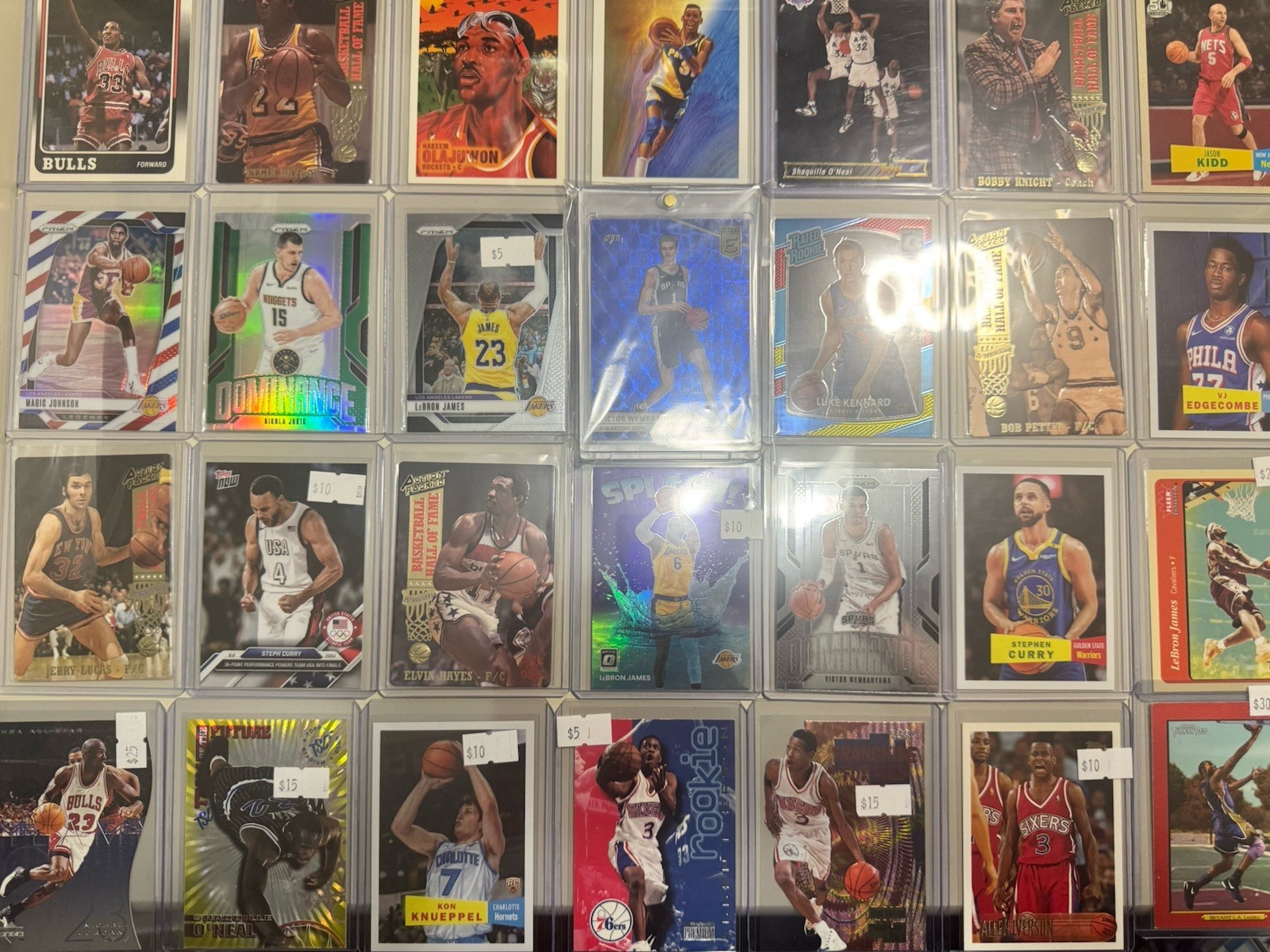
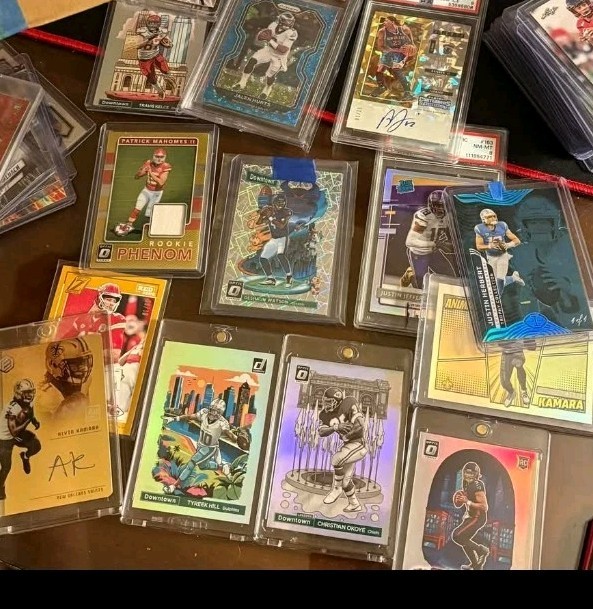


eBay links are affiliate links: JunkPal may earn a commission at no cost to you.
Resale values related to game-used
Shop game-used on eBay ↗![Charizard [Tekno] #6](/api/images/junkpal-products/cards/charizard-tekno-6-pokemon-2000-topps-chrome-card/img0/thumb.webp)

![Articuno [Sparkle] #144](/api/images/junkpal-products/cards/articuno-sparkle-144-pokemon-2000-topps-chrome-card/img0/thumb.webp)


JunkPal may earn a commission when you buy through eBay links, at no extra cost to you.
What’s worth the most
Ranked on medians of real closed eBay sales, not asking prices.