What does “game lore” mean?
What it means
Game lore in trading cards is the established narrative framework of the associated franchise. This includes character biographies, world history, faction conflicts, and overarching plotlines. It is not merely flavor text; it is the canon underpinning the cards. For the collector, lore dictates the context of the card—is it a character from a minor skirmish or a pivotal moment in the franchise's history? The mainstream equivalent is the established fictional universe of the property.
What it does to price
Lore directly impacts scarcity value. Cards representing major narrative beats, antagonists, or foundational characters see significant price inflation. A card tied to a "lore peak" event (e.g., a major crossover or world-altering event) can fetch 2x to 5x the price of a functionally identical, non-narrative pull. Conversely, generic filler cards from lore-heavy sets will sell at a discount unless they possess high rarity or condition. For example, a common character card from the main conflict arc might sell for $5, while the foil version of that same character featured in the "Final Battle" expansion might sell for $40.
How to spot it
Spotting lore relevance requires knowledge of the game's timeline and set releases. Look for specific set names that reference major story arcs (e.g., "War of the Ancients" vs. "Regional Minor Conflict"). Check card text for direct references to established lore elements—specific locations, named historical figures, or unique faction identifiers. Sellers must provide high-resolution images of the card front and back to verify specific set symbols or unique print runs associated with narrative milestones. Common errors include misidentifying a standard reprint as a limited-run narrative variant.
Buying smart
Paying a premium for lore-heavy cards is justified when the card is a centerpiece of a desired collection narrative. If the goal is to complete a "story arc" or own the definitive version of a key character, the premium is necessary. It is not worth the premium for bulk acquisition or casual play value. A fair deal involves a price that reflects the card’s narrative weight relative to its rarity and condition. If a card is narratively essential but is priced 3x higher than comparable, non-lore-relevant cards in the same set, the price is likely inflated.
Selling smart
Listing must explicitly frame the card within the lore. Do not just list the card name; list the *narrative context*. Use terms like "Key Lore Character," "Pivotal Moment Pull," or "Arc Starter." This immediately signals to dedicated buyers that the card possesses narrative value beyond its base statistics. The single most effective element in a listing is a photo showing the card next to a piece of related franchise media (if possible) or a clear visual reference to the lore event it represents. This visual proof justifies the higher asking price.
On eBay right now
Current asking prices from live listings — not sold-comp medians.

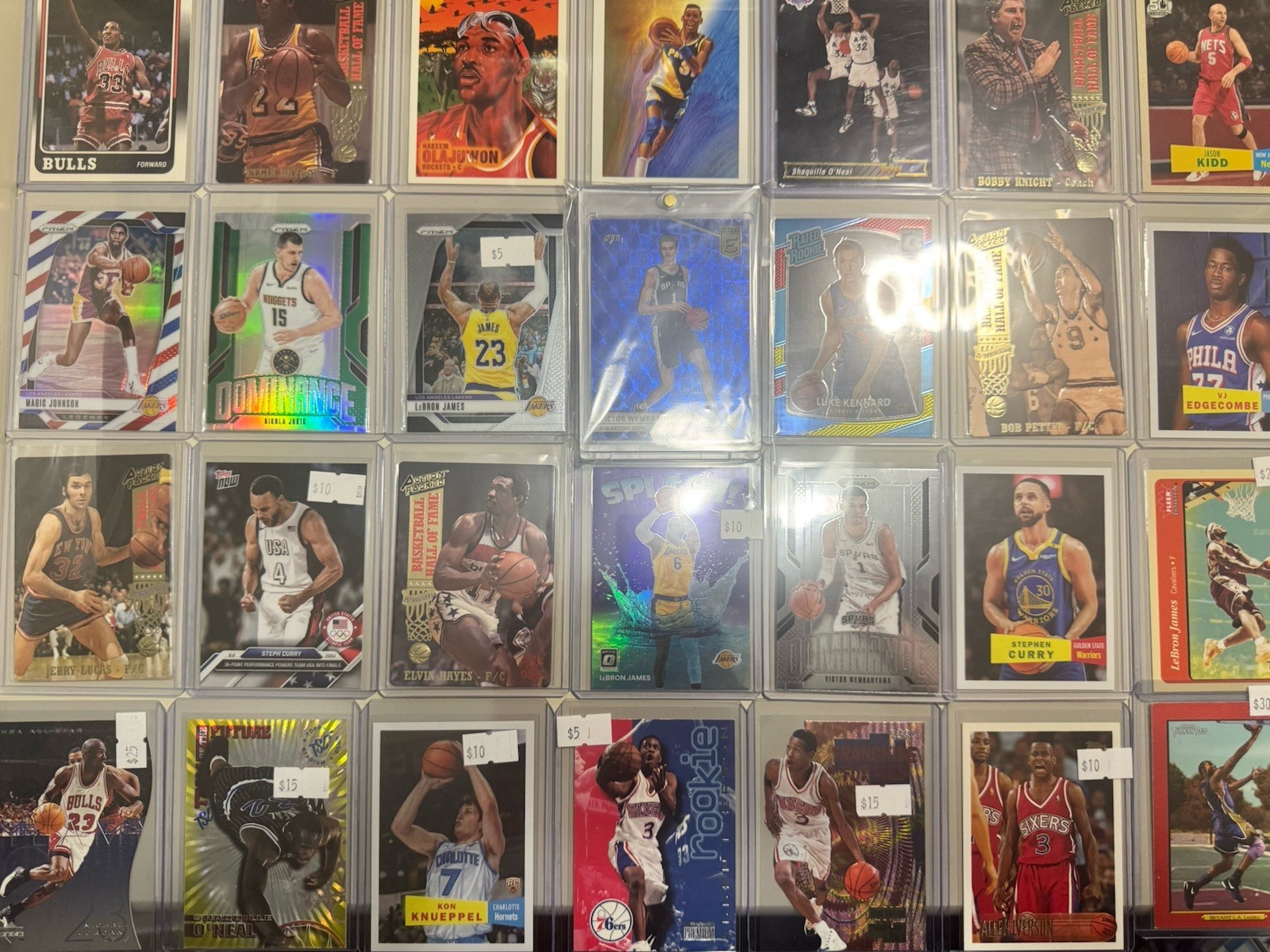
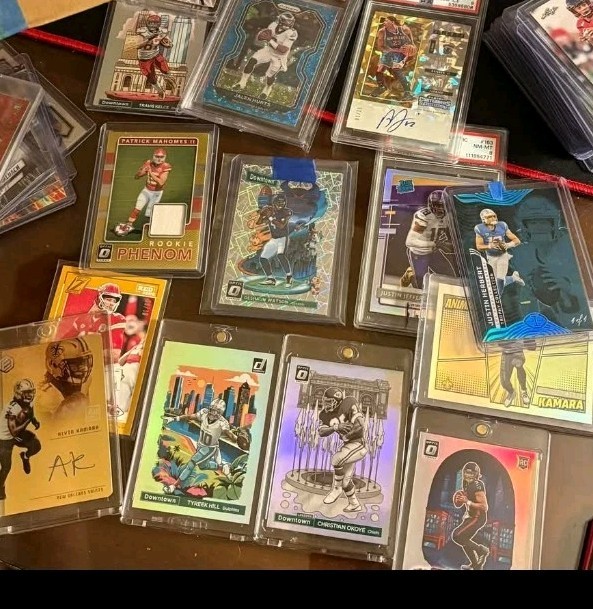


eBay links are affiliate links: JunkPal may earn a commission at no cost to you.
Resale values related to game lore
Shop game lore on eBay ↗
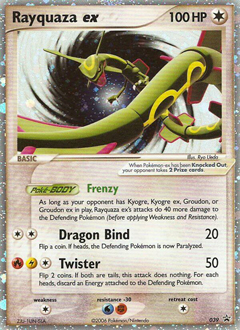
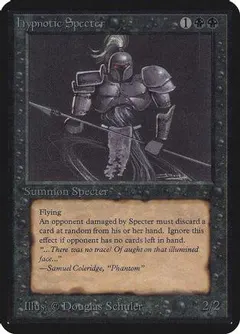
![Dark Dragonite [Reverse Holo] #5](/api/images/junkpal-products/cards/dark-dragonite-reverse-holo-5-pokemon-legendary-collection-card/img0/thumb.webp)
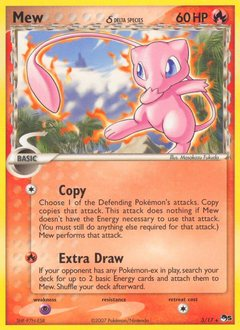
![Magikarp [Sparkle] #129](/api/images/junkpal-products/cards/magikarp-sparkle-129-pokemon-2000-topps-chrome-card/img0/thumb.webp)
![Psyduck [Reverse Holo] #88](/api/images/junkpal-products/cards/psyduck-reverse-holo-88-pokemon-legendary-collection-card/img0/thumb.webp)
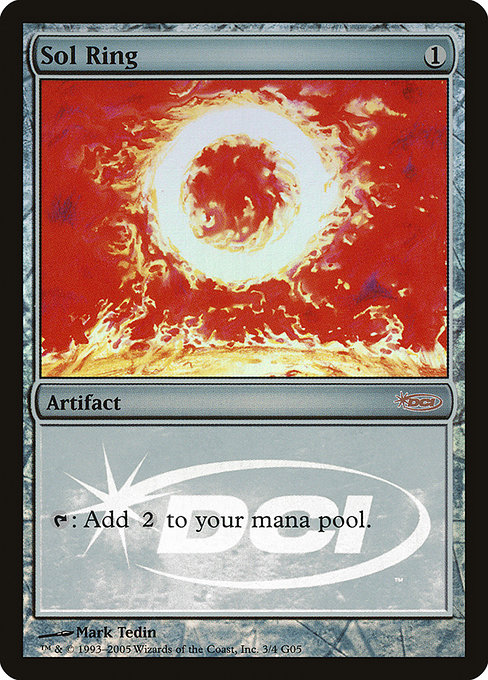
JunkPal may earn a commission when you buy through eBay links, at no extra cost to you.
What’s worth the most
Ranked on medians of real closed eBay sales, not asking prices.