What does “full art” mean?
What it means
Full art refers to a trading card where the primary artwork spans the entire surface area of the card, unimpeded by borders, frames, or designated windows. This contrasts with standard or "windowed" versions where the art is contained within a defined panel, often surrounded by text boxes or borders. In the context of collectible card games (CCGs), full art is a deliberate design choice used to signify premium status. It is not merely an aesthetic upgrade; it is a production tier indicator. The term is straightforward; there is no niche jargon requiring translation. It denotes the maximal use of the card's physical space for the illustration.
What it does to price
Full art cards command a measurable price premium over their standard counterparts. The multiplier depends heavily on the card's rarity and the set it originates from. For a common or uncommon full art variant, the price might be 1.2x to 1.8x the standard version. For a rare or chase full art, the multiplier can easily reach 3x to 7x or more, particularly if the card is in Near Mint (NM) condition. Condition is paramount; a full art card with significant edge wear or surface scratches can see its value drop by 30-50% compared to a pristine example. For example, a standard $10 card might sell for $15 loose, but the same card as a full art variant in perfect condition could sell for $35.
How to spot it
The primary tell is visual inspection of the card's edges and corners. If the artwork bleeds to the very edge, it is full art. Look for set information; premium sets often denote full art variants explicitly in their promotional materials or card backs. Sellers must provide high-resolution images showing the entire card surface, especially the four corners, to confirm the art extends fully. Common mistakes include mislabeling a standard art card as full art, or conversely, failing to mention a full art variant when selling a standard version. Inspecting the card's border area for any visible frame or text box encroachment is the definitive confirmation.
Buying smart
Paying a premium for full art is justified when the card is a key chase piece, a highly desirable character/creature, or part of a limited, high-demand set. If the card is a low-impact, common inclusion in a standard booster pack, the premium is likely inflated and not worth the outlay. A fair deal involves the asking price reflecting the documented scarcity of the full art variant relative to the standard version. If a seller lists a full art card at 2x the price of the standard version, but the set only features one such variant, the price is likely fair. If the gap is 5x or more without exceptional scarcity, negotiation is warranted.
Selling smart
Listing a full art card requires explicit declaration. The listing title must include "Full Art" or "FA" to attract the correct buyer pool. The single most valuable asset in the listing is a clear, high-resolution photograph taken under bright, even lighting that captures the card's entire surface without cropping. This photo must prove the artwork extends to the edge. Adding the phrase "True Full Art" in the description eliminates buyer doubt and justifies the premium price point, signaling authenticity and quality to serious collectors.
On eBay right now
Current asking prices from live listings — not sold-comp medians.

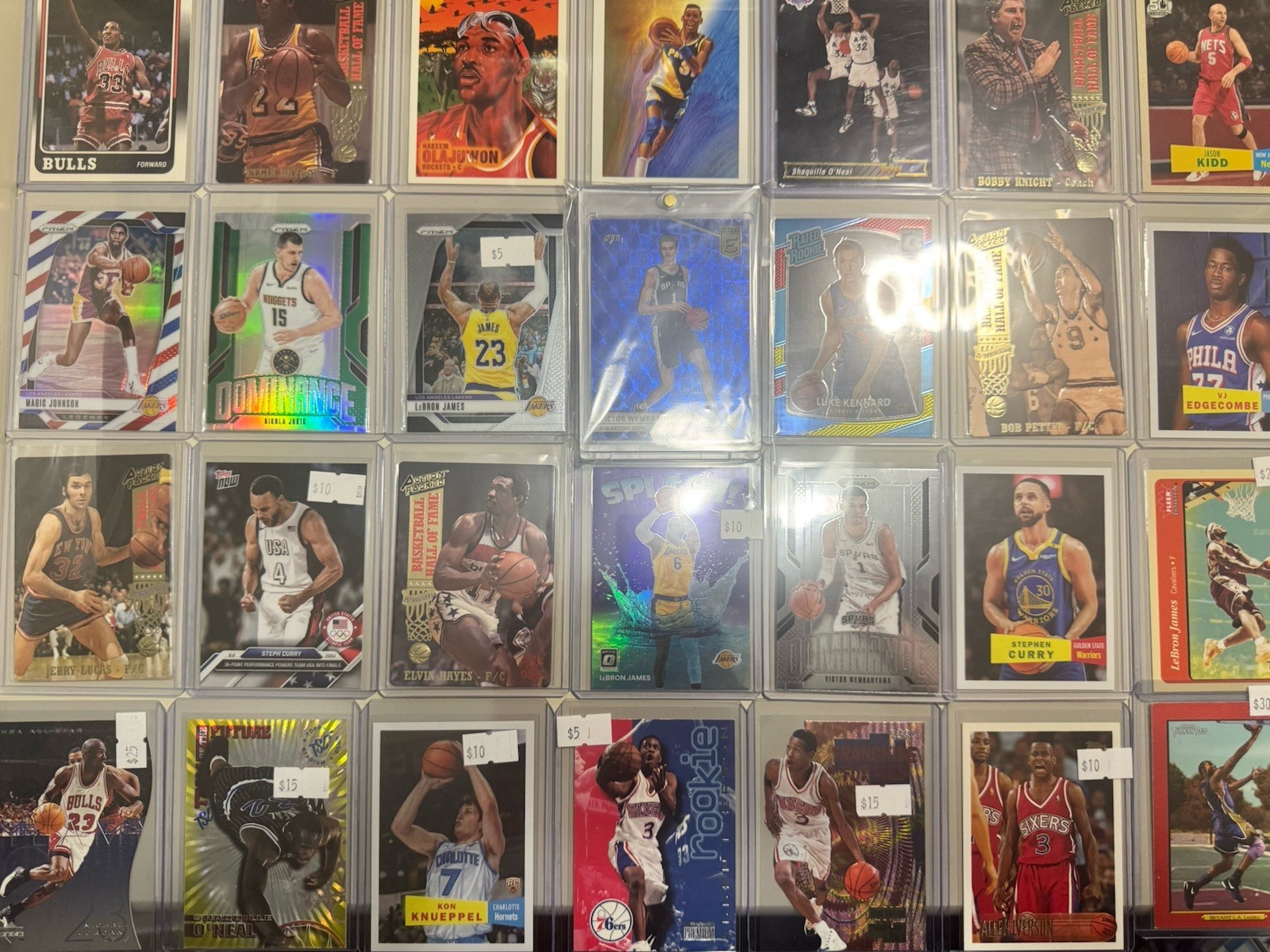
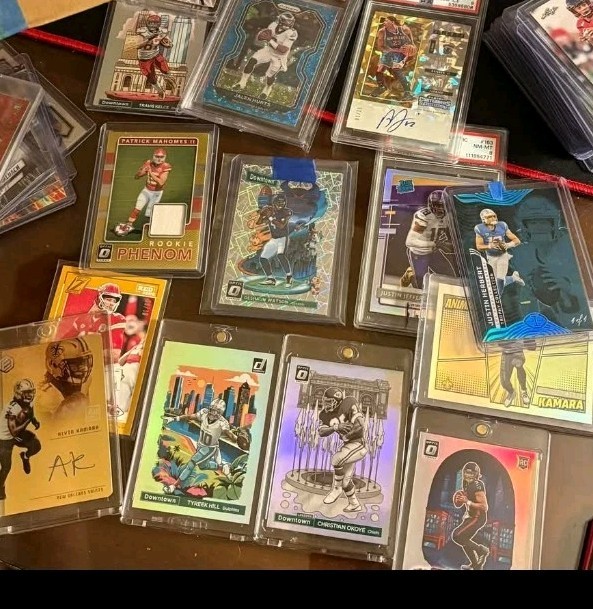

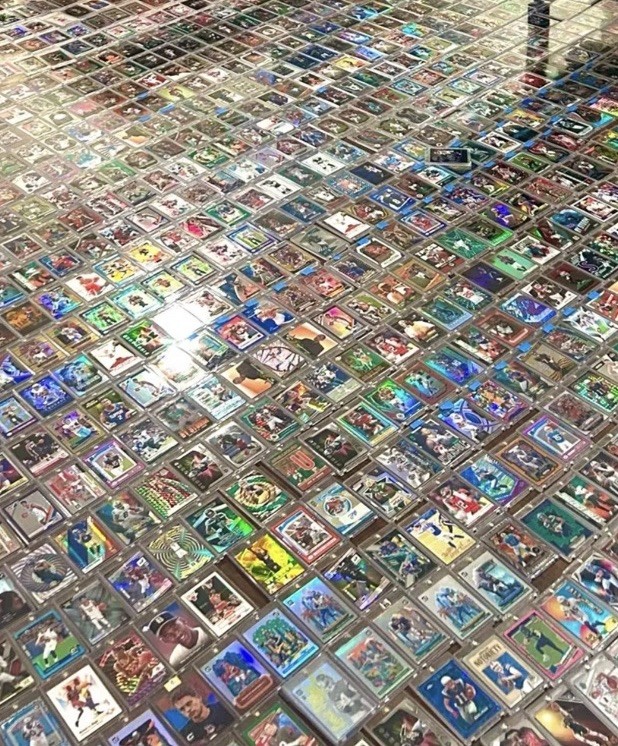

eBay links are affiliate links: JunkPal may earn a commission at no cost to you.
Resale values related to full art
Shop full art on eBay ↗

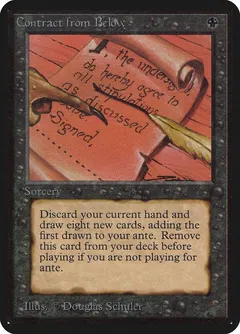

![Island [Alt Art]](/api/images/junkpal-products/cards/island-alt-art-magic-summer-edition-card/img0/thumb.webp)
JunkPal may earn a commission when you buy through eBay links, at no extra cost to you.
What’s worth the most
Ranked on medians of real closed eBay sales, not asking prices.