What does “foil variation” mean?
What it means
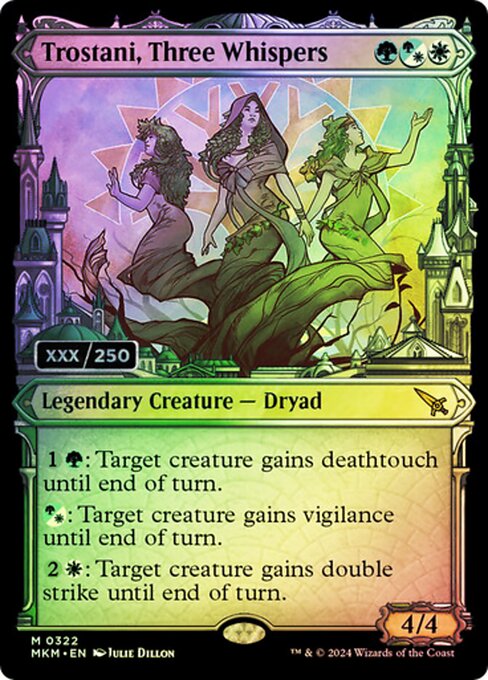
A foil variation is a specific, intentional difference in the card's surface finish or printing application compared to the standard version of the same card. This goes beyond a standard holographic (holo) treatment. A foil variation involves unique metallic inks, specific light-refracting patterns, or specialized foil placement that was part of a limited production run or a deliberate print run change. It is not merely a manufacturing error; it is a distinct collectible designation. For example, some sets have a "chrome" foil variation versus a standard "rainbow" foil variation on the same card art. The mainstream equivalent is a specific print variant, but the term "foil variation" specifies the metallic/reflective nature of that difference.
What it does to price
The impact on price is highly variable, dependent on the card's base rarity and the scarcity of the specific foil. For a common card, a desirable foil variation might increase value by 2x to 5x loose. For a rare, chase card, the multiplier can be 5x or more. A card with a highly sought-after, scarce foil pattern can easily fetch an extra $50 to $300+ over its standard counterpart, even if the base card is identical. The primary driver for price increase is documented scarcity; if the variation was a short print run, the premium is higher.
How to spot it
Identification requires high-resolution, direct-light photography. The tells are specific to the card line—look for differences in the foil's coverage (e.g., does the foil only cover the border, or the entire artwork?). Check for specific set identifiers or printing codes that denote the variant run, though these are not always present. Sellers must provide photos showing the card under multiple light sources, including direct flash and natural light, to confirm the reflective quality. Common issues include counterfeit versions that mimic the look but lack the depth or specific light refraction of the genuine foil.
Buying smart
Paying a premium for a foil variation is justified when the variation is confirmed to be part of a known, limited print run, and the card's base value is already high. If the card is common or the variation is easily found in bulk, the premium is likely inflated. A fair deal involves the asking price being within 1.5x to 3x the known market price of the standard version, contingent on the confirmed rarity of the variant. If the premium exceeds 4x the standard price without strong evidence of extreme scarcity, caution is warranted.
Selling smart
Listing a foil variation requires precise terminology. The listing title and description must explicitly state the specific foil type (e.g., "Gold Foil Variant," "Prismatic Finish"). The single most effective asset is a clear, high-resolution photo taken in bright, direct light that showcases the unique reflective quality of the foil pattern. Using the correct jargon allows the listing to be found by targeted buyers willing to pay the premium, immediately justifying a higher price point over a generic listing.
On eBay right now
Current asking prices from live listings — not sold-comp medians.



eBay links are affiliate links: JunkPal may earn a commission at no cost to you.
Resale values related to foil variation
Shop foil variation on eBay ↗


![Elite Trainer Box [Pokemon Center]](/api/images/junkpal-products/cards/elite-trainer-box-pokemon-center-pokemon-destined-rivals-card/img0/thumb.webp)
JunkPal may earn a commission when you buy through eBay links, at no extra cost to you.
What’s worth the most
Ranked on medians of real closed eBay sales, not asking prices.