What does “foil type” mean?
What it means
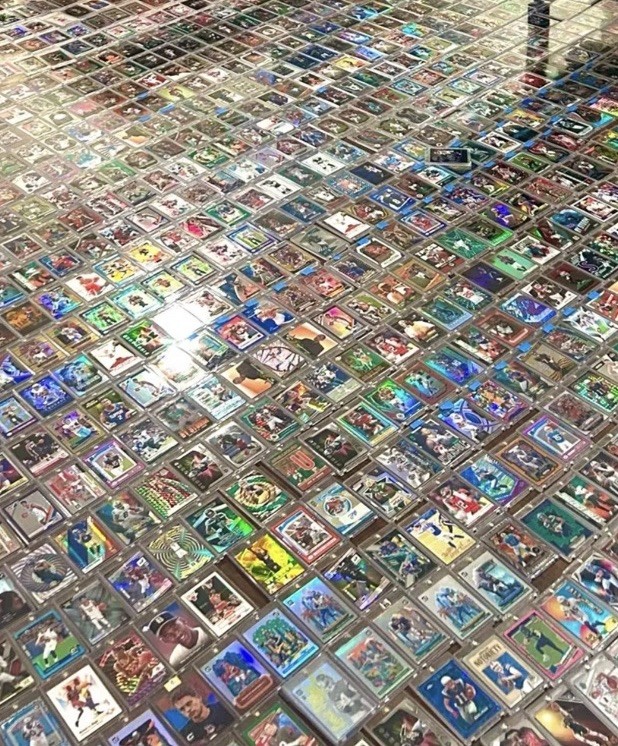
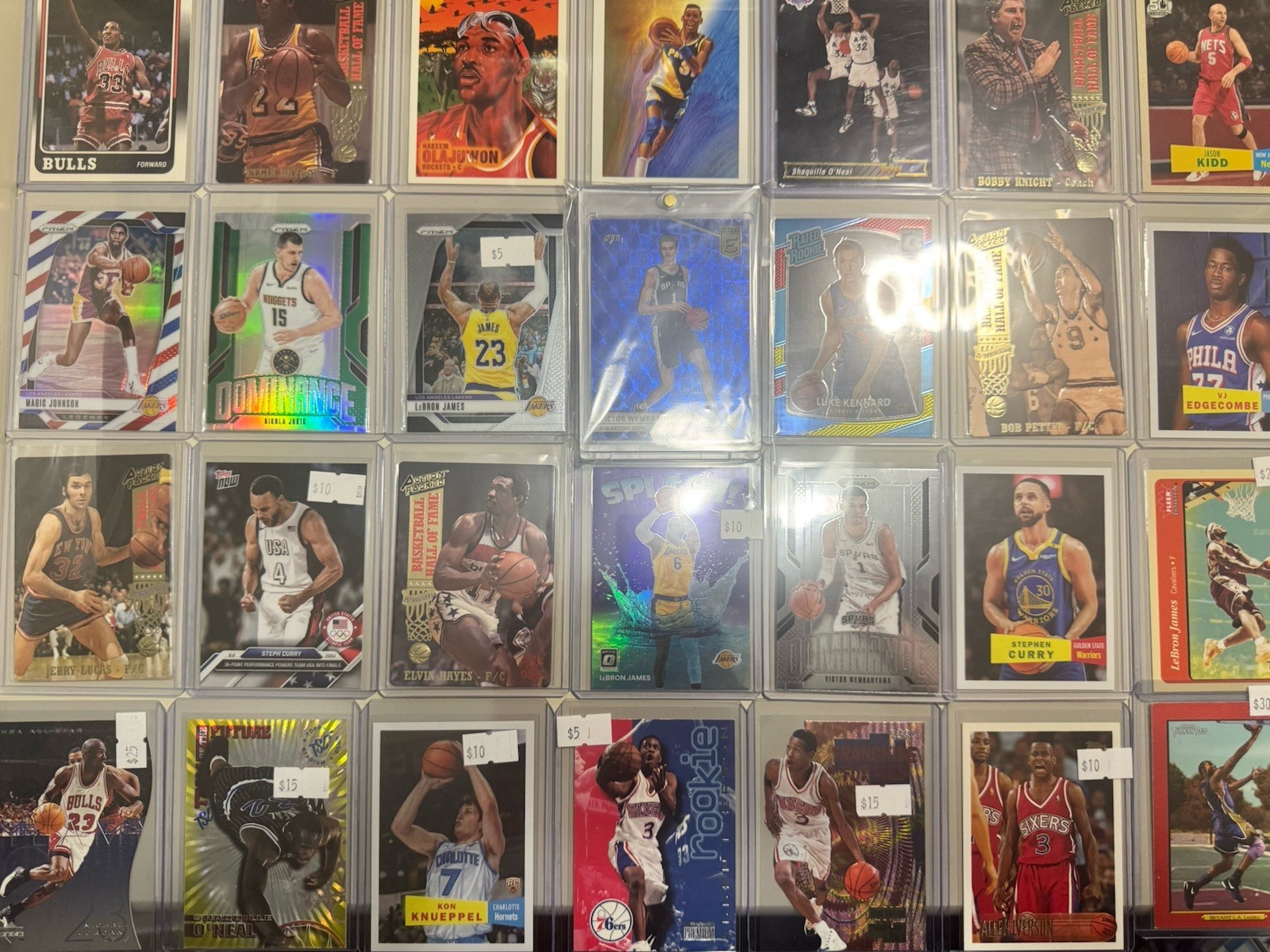
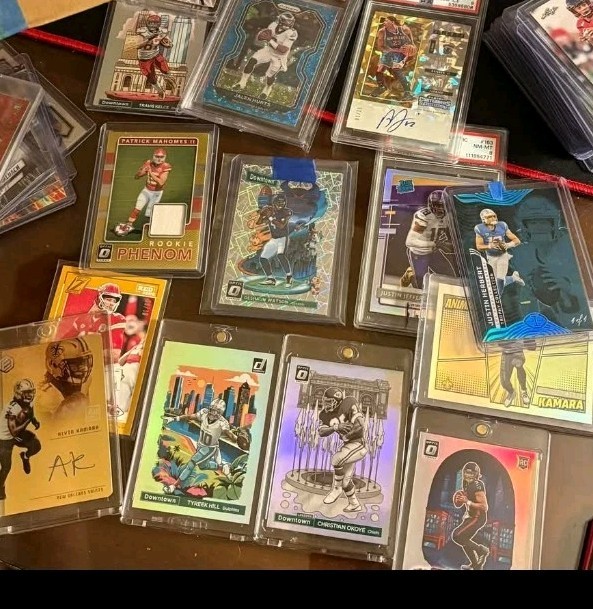
Foil type designates the specific surface treatment applied during a trading card's printing process. This refers to the application of a reflective, metallic, or holographic layer over the card's surface. The term covers several distinct finishes, including standard holographic (a spectral, rainbow effect), chrome (a mirror-like, high-gloss finish), and various patterned foils (e.g., rainbow foil, prismatic). This is not merely decoration; it is a production specification that dictates the card's scarcity level.
What it does to price
Foil type is a primary driver of market value. A standard, non-foil version of a card might trade at a baseline price. Upgrading to a premium foil variant can introduce multipliers ranging from 2x to 10x or more, depending on the card's base rarity and the foil's scarcity (e.g., a limited-run chrome variant). A minor scratch or significant abrasion across a highly reflective foil surface can cause a price drop of 40-60% compared to a pristine example. For example, a base card selling for \$10 might jump to \$40 if it is a flawless, designated "Rainbow Foil" variant.
How to spot it
Identification relies on examining the print quality and the light interaction. Holographic foils typically show a spectrum of colors when tilted. Chrome finishes exhibit a near-perfect, undistorted reflection of the environment. Sellers must provide high-resolution, well-lit photos. Common issues include "foil bleed," where the metallic ink has slightly diffused into the card stock, or "foil peeling," where the layer is lifting at the edges. Fakes often use cheap, flat holographic stickers applied over the card, which lack the integrated printing quality of genuine foil.
Buying smart
Paying a premium for a specific foil type is justified when the card is a centerpiece of a collection or when the foil variant is explicitly marked as a limited, low-print-run exclusive. If the foil type is common across multiple production runs, the price premium is likely inflated. A fair deal involves the premium price being proportional to the known scarcity of that specific foil variant within the set. If the difference between a standard and foil version is minor in terms of base card value, the premium should be modest.
Selling smart
Listing must explicitly name the foil type (e.g., "Chrome Parallel," "Prismatic Foil"). Generic descriptions undervalue the product. The single most effective element in a listing is a macro photograph taken under direct, bright light that clearly demonstrates the foil's unique pattern and integrity—showing the reflection or color shift. Using the precise term in the title and description allows buyers searching for specific finishes to find the listing, ensuring the highest possible price realization.
On eBay right now
Current asking prices from live listings — not sold-comp medians.



eBay links are affiliate links: JunkPal may earn a commission at no cost to you.
Resale values related to foil type
Shop foil type on eBay ↗



JunkPal may earn a commission when you buy through eBay links, at no extra cost to you.
What’s worth the most
Ranked on medians of real closed eBay sales, not asking prices.