What does “foil treatment” mean?
What it means
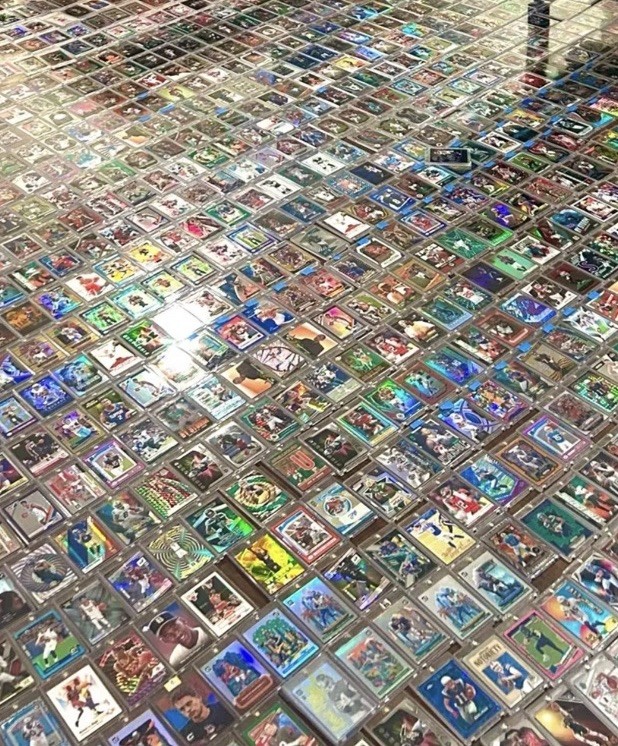
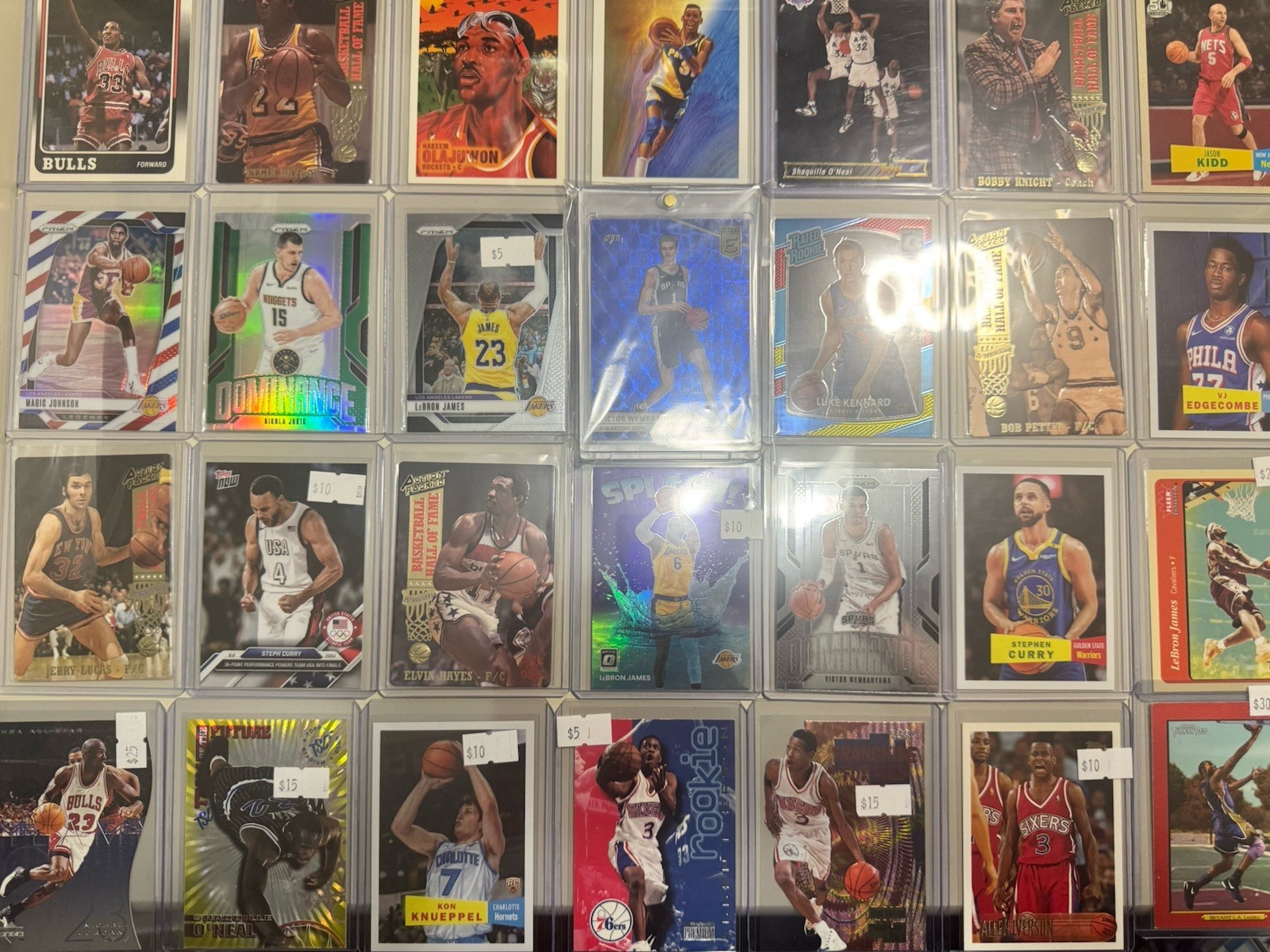
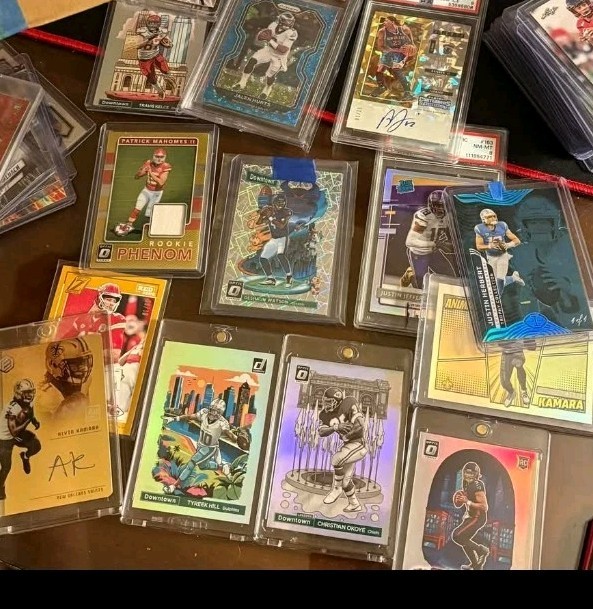
Foil treatment is the application of a metallic, reflective layer onto a trading card's surface. This is not simply a glossy finish; it involves embedded or printed metallic inks or foils that catch and refract light. In collecting terms, this differentiates a standard print from a premium variant. The finish can manifest as holographic (showing spectral colors), rainbow (shifting colors across the surface), or chrome (a highly mirrored, silver/gold effect). The quality of the application—its adherence, clarity, and integrity—is the defining factor. A "foil treatment" is the feature; the specific pattern (holographic vs. chrome) is the sub-type.
What it does to price
Foil quality is a direct multiplier on value. A card in near-mint condition with pristine, vibrant foil can command 1.8x to 3x the price of the same card with dull, scratched, or peeling foil. Minor surface wear that dulls the foil can result in a 20-40% drop in value. Conversely, a card where the foil is completely intact but the card stock itself has minor edge wear will retain most of its foil premium. For example, a common card with perfect foil might sell for $1.50; the same card with heavily scuffed foil might drop to $0.75. The vibrancy of the foil is the primary driver of the premium.
How to spot it
Inspect the card under strong, direct light—a desk lamp or sunlight is best. Look for uniformity; any areas where the foil appears patchy, lifted (lifting is catastrophic), or tarnished (turning dull brown/gray) are defects. Holographic foils should display a consistent spectral shift across the surface. Common mistakes include poor centering, which is unrelated to the foil but lowers value, and "foil bleed," where the metallic ink has seeped slightly into the card stock fibers. Fakes often use low-quality, flat metallic inks that lack the depth and refraction of genuine foil.
Buying smart
Paying a significant premium for foil treatment is justified when the card is a high-rarity chase card within a popular set, or when the foil itself is a unique variant (e.g., a specific color shift). If the card is a common pull, the marginal increase in value from the foil may not justify the price increase over a non-foil version. A fair deal involves the asking price reflecting the card's grade potential; if the foil is visibly damaged, the price should reflect that damage, even if the card is otherwise high-grade.
Selling smart
When listing, documenting the foil's condition is crucial for justifying the asking price. Do not simply list "Foil." Use descriptive terms: "Pristine Holographic Foil," "Vibrant Chrome Finish," or "Minor Foil Scuffing." The single most effective piece of evidence is a close-up photo taken at an angle that maximizes light reflection across the foil area. This photo proves the quality to the buyer, allowing the seller to command the top end of the market range.
On eBay right now
Current asking prices from live listings — not sold-comp medians.



eBay links are affiliate links: JunkPal may earn a commission at no cost to you.
Resale values related to foil treatment
Shop foil treatment on eBay ↗![Island [Alt Art]](/api/images/junkpal-products/cards/island-alt-art-magic-summer-edition-card/img0/thumb.webp)


JunkPal may earn a commission when you buy through eBay links, at no extra cost to you.
What’s worth the most
Ranked on medians of real closed eBay sales, not asking prices.