What does “foil texture” mean?
What it means
Foil texture is a surface treatment on a trading card characterized by a reflective, metallic, or iridescent sheen. This is distinct from a standard glossy finish. It is achieved via specialized printing techniques, such as holographic overlays or metallic inks. In the collecting sphere, it denotes a premium printing process. The texture is not merely aesthetic; it is a functional marker indicating a specific version or scarcity level of the card. The mainstream equivalent is "premium finish" or "special print," but "foil texture" is the industry standard term for this specific reflective quality.
What it does to price
Foil texture acts as a significant value multiplier. A standard, non-foil version of a popular card might trade for $10. The same card, exhibiting vibrant, crisp foil texture, can easily fetch 2x to 5x that price, reaching $20 to $50 or more depending on rarity. Minor imperfections—such as dulling, peeling, or uneven application—can reduce this premium by 20% to 40%. Conversely, a card advertised as foil but showing only a slight metallic ink application (not true holographic foil) will not command the highest premium. A $100 card with perfect foil application is worth substantially more than a $100 card with dull, poorly applied foil.
How to spot it
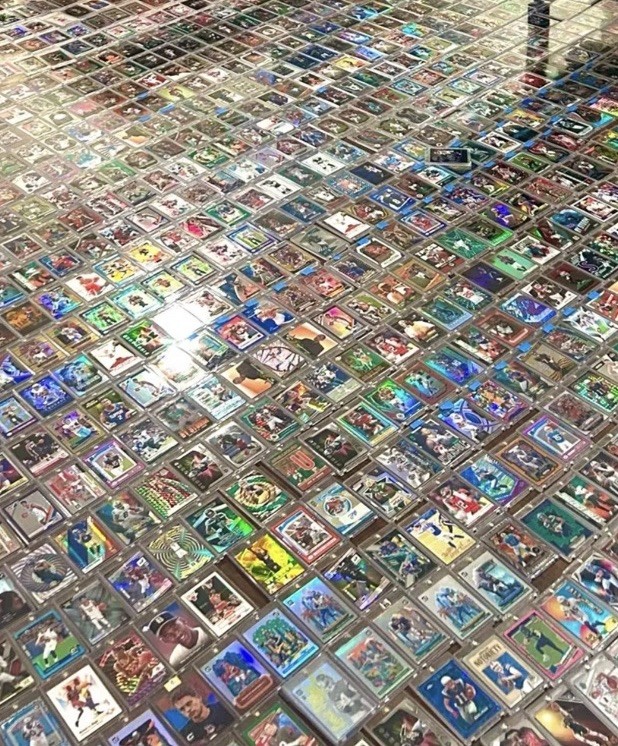
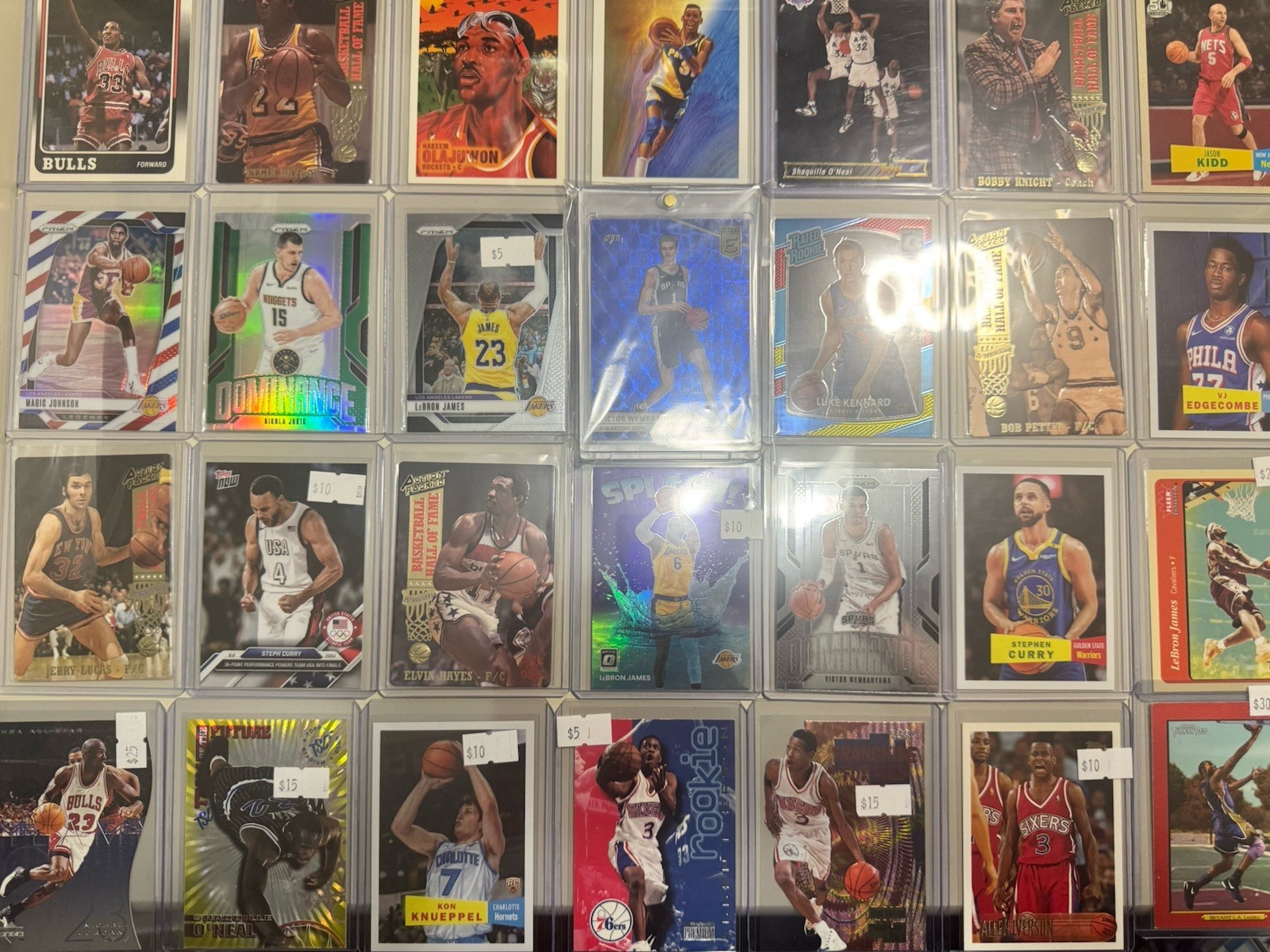
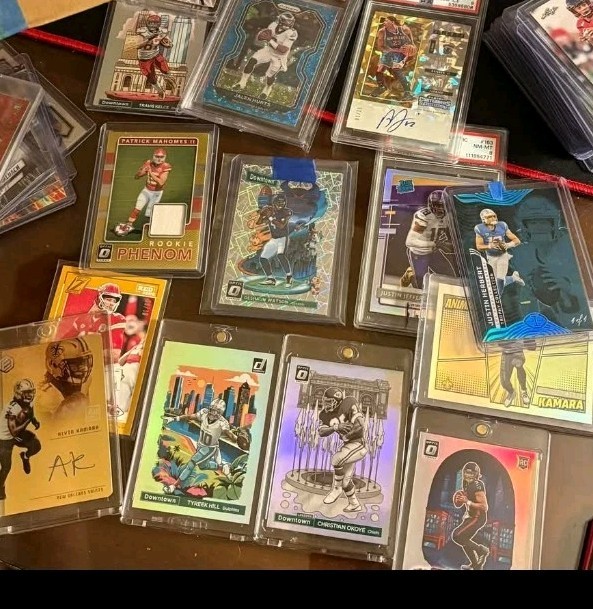
The tell-tale sign is how the card interacts with light. True foil texture reflects light in a dynamic, shifting manner—it shimmers, it doesn't just shine. Examine the card under direct, angled light. Look for sharp, defined patterns or spectral color shifts (holographic). Sellers must provide high-resolution photos taken in bright, directional lighting. Common errors include "foil bleed," where the metallic ink has spread unevenly into the card stock, or "foil cracking," where the application has lifted slightly from the surface. If the reflection is flat, it is likely just a standard gloss coating, not true foil.
Buying smart
Paying a significant premium for foil texture is justified only when the card is otherwise pristine and the foil application is flawless. If the card has visible surface scratches, corner wear, or the foil is chipped, the premium evaporates quickly. A fair deal involves the price reflecting the *quality* of the foil, not just its *presence*. If a card is listed as "foil" but the images provided are dark or flat, the asking price is inflated until proof of the texture is provided. If the foil is present but the card is otherwise heavily damaged, the value is closer to the base, non-foil version.
Selling smart
Proof of foil texture is the primary driver of top-tier pricing. Listings must explicitly state "Full Foil Texture" or "Holographic Finish." The single most effective piece of evidence is a close-up photo taken under strong, direct light source, showing the light refracting across the foil area. Using the word "Vibrant" or "Crisp" in the description, backed by visual proof, allows the seller to confidently command the top end of the market range. Do not rely on the buyer to judge the texture from a standard, flat photo.
On eBay right now
Current asking prices from live listings — not sold-comp medians.



eBay links are affiliate links: JunkPal may earn a commission at no cost to you.
Resale values related to foil texture
Shop foil texture on eBay ↗![Kabuto [Tekno] #140](/api/images/junkpal-products/cards/kabuto-tekno-140-pokemon-2000-topps-chrome-card/img0/thumb.webp)

![Kyogre [Gold Star 1st Edition] #28](/api/images/junkpal-products/cards/kyogre-gold-star-1st-edition-28-pokemon-japanese-holon-research-card/img0/thumb.webp)
![Gengar [Reverse Holo] #10](/api/images/junkpal-products/cards/gengar-reverse-holo-10-pokemon-skyridge-card/img0/thumb.webp)
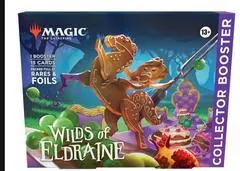
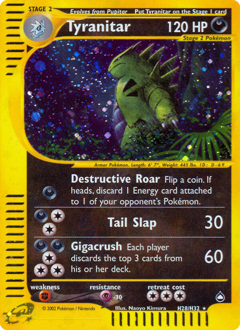
JunkPal may earn a commission when you buy through eBay links, at no extra cost to you.
What’s worth the most
Ranked on medians of real closed eBay sales, not asking prices.