What does “foil print” mean?
What it means
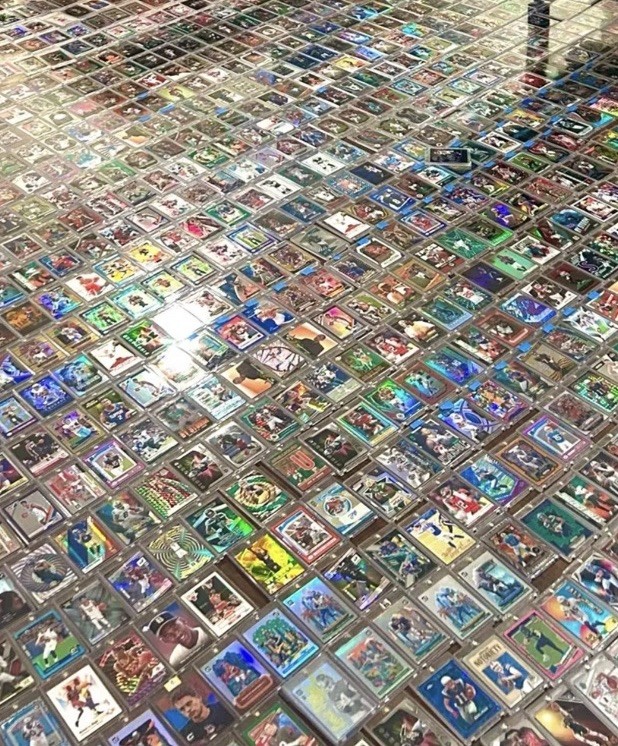
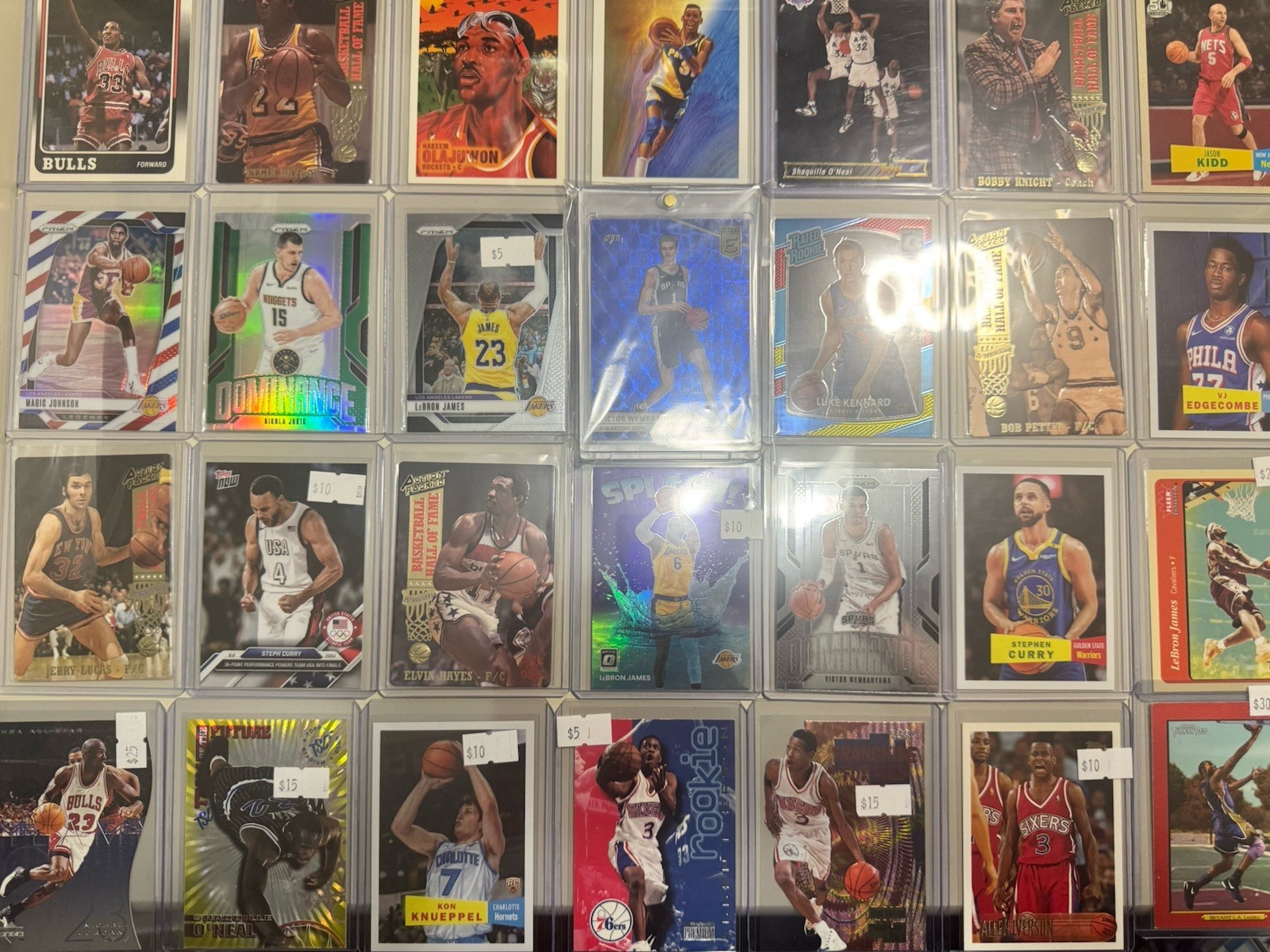
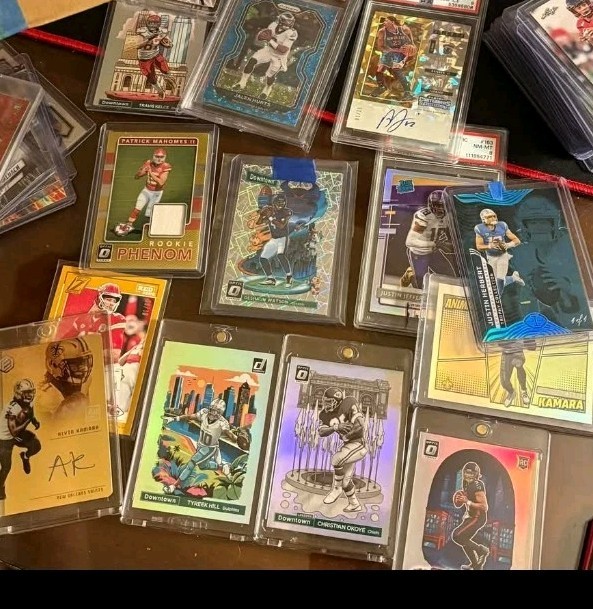
Foil print is a specialized printing process applying a metallic, reflective layer to the card surface. This technique creates a shimmering or holographic effect on artwork or borders. It is not merely a cosmetic upgrade; it is a production variant. In the collecting niche, the quality, coverage, and type of foil are key identifiers distinguishing standard releases from premium or special edition cards. Terms like "spot foil" refer to foil applied only to specific elements (e.g., the character's outline), while "full foil" covers the entire card surface.
What it does to price
Foil quality directly impacts market valuation. A card featuring a high-quality, vibrant, or rare foil treatment can command a significant premium over a non-foil version. Generally, a foil variant can fetch 1.8x to 4x the price of its base version, depending on rarity. Minor imperfections, such as dullness or inconsistent application, can reduce value by 15-30%. Conversely, a card with a perfect, bright, and crisp foil application can easily push the price point higher. For example, a common chase card with excellent foil might sell for $5 more than an identical non-foil version.
How to spot it
Identification relies on visual inspection under varied light. Genuine foil exhibits a specific, consistent reflectivity—it should catch light sharply without appearing muddy or overly diffuse. Check for edition markers or specific card numbering associated with foil runs. Sellers should provide high-resolution photos taken under direct, bright light to demonstrate the foil's vibrancy. Common issues to watch for include "foil bleed" (where the metallic ink spreads beyond its intended boundary) or "foil scratching," which is permanent damage. Cheap counterfeits often use holographic overlays that look flat or lack the depth of true foil stamping.
Buying smart
Paying a premium for foil is justified when the foil is integral to the card's scarcity or aesthetic appeal, and the condition is flawless. If the foil is present but damaged, scratched, or peeling, the premium is unwarranted; the card should be valued closer to its base version. A fair deal involves a price that reflects the *quality* of the foil, not just its presence. If a seller claims "pristine foil" but the photos show minor scuffs, the price is inflated.
Selling smart
To maximize resale value, the listing must explicitly detail the foil type (e.g., "Full Holographic Foil," "Spot Foil on Portrait"). The single most effective element in a listing is a close-up photograph taken in strong, directional light that clearly showcases the foil's reflectivity and integrity. Using the term "Mint Foil Condition" or "Unblemished Foil" sets the expectation for a high-tier buyer, justifying the top end of the market price range.
On eBay right now
Current asking prices from live listings — not sold-comp medians.



eBay links are affiliate links: JunkPal may earn a commission at no cost to you.
Resale values related to foil print
Shop foil print on eBay ↗


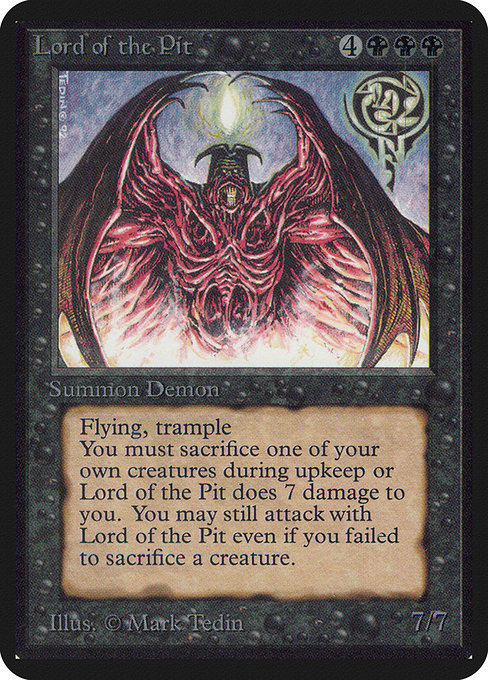


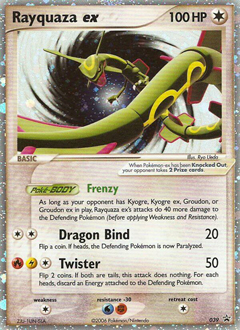
JunkPal may earn a commission when you buy through eBay links, at no extra cost to you.
What’s worth the most
Ranked on medians of real closed eBay sales, not asking prices.