What does “foil pattern” mean?
What it means
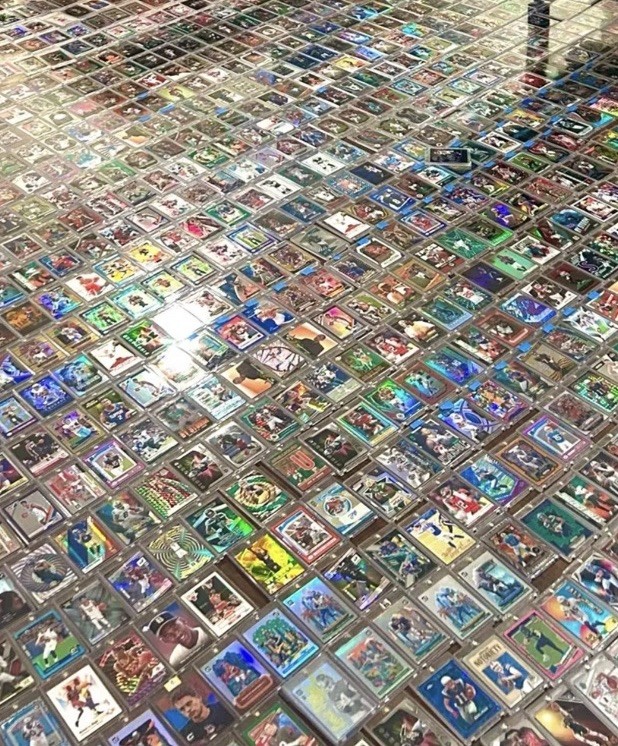
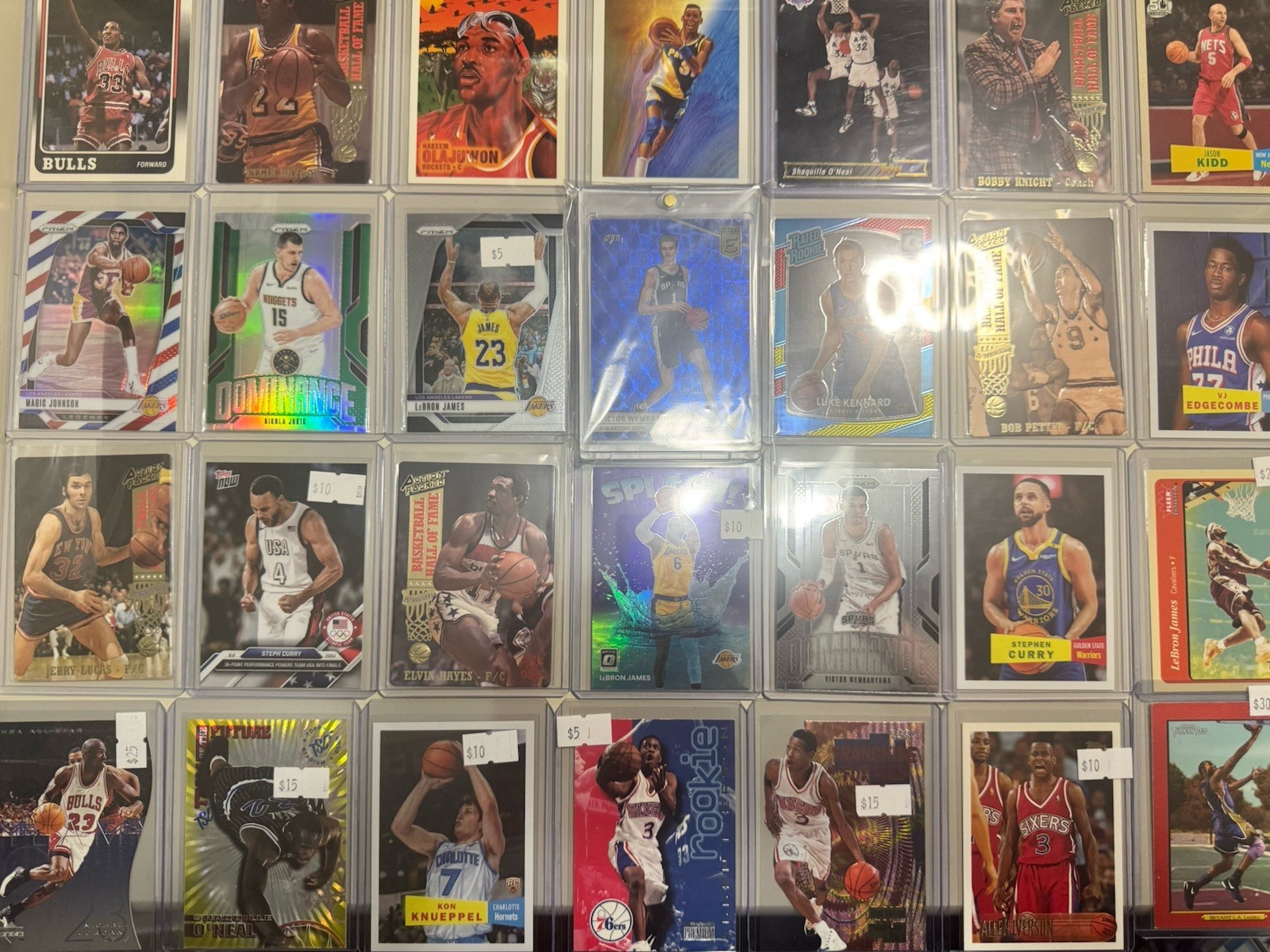
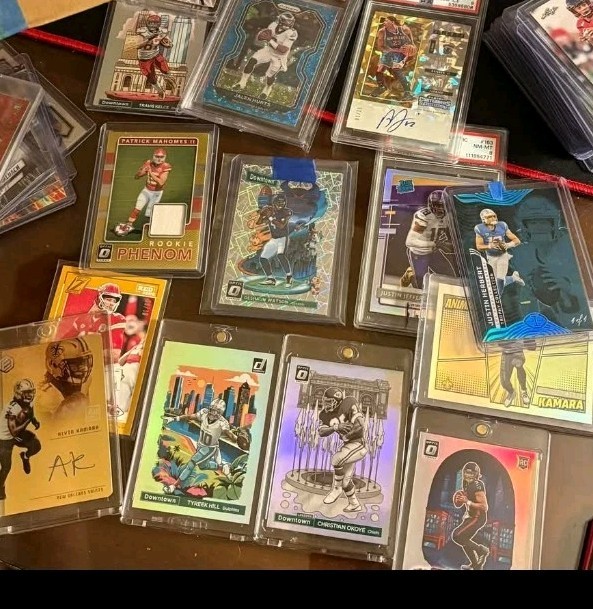
Foil pattern describes the specific, applied graphic treatment on a trading card surface, typically involving reflective metallic or holographic inks. This is more than a simple gloss; it is a deliberate, complex design element that interacts with light. In the collecting niche, this refers to the proprietary printing technology used by the manufacturer. The mainstream equivalent is "special printing" or "premium finish." The pattern dictates how the card reflects light—whether it is a uniform rainbow, a prismatic scatter, or a specific, molded texture. The complexity and rarity of this pattern directly correlate with the card's market tier.
What it does to price
Foil pattern is a primary driver of secondary market value. A standard, non-foil version of a card might sell loose for $5. A version featuring a highly sought-after, complex holographic foil pattern can easily command 3x to 8x that price, depending on the card's base scarcity. Minor variations in foil quality—such as a dull, patchy application versus a crisp, vibrant one—can create a sub-tier difference of 20% to 40% in realized price. A card with a known, high-grade foil treatment often fetches a premium of $50 to $200 over its non-foil counterpart, even if the base card is common.
How to spot it
Identification relies on close inspection under varied lighting. Look for the specific light refraction signature associated with the card's known release. Some foils are holographic (showing a rainbow spectrum shift), while others are prismatic (showing a scattered, multi-color effect). Common mistakes include "foil bleed," where the ink has spread outside the intended pattern area, or "foil scratching," where the surface layer is damaged. Sellers should provide high-resolution, well-lit photos taken at an angle to demonstrate the pattern's integrity. Fakes often use flat, low-quality metallic inks that lack the depth of the genuine foil application.
Buying smart
Paying a premium for foil is justified when the specific pattern is tied to a verifiable, high-demand subset (e.g., a specific parallel or limited print run). If the foil is merely a standard, common finish, the premium may not be warranted unless the card is otherwise extremely rare. A fair deal requires the listed premium to be proportional to the visual complexity and scarcity of the foil treatment. If the seller cannot provide clear evidence of the foil's quality matching known examples, the premium should be significantly discounted.
Selling smart
To maximize return, the listing must explicitly name the foil type (e.g., "Prismatic Refractor," "Gold Chrome"). Buyers pay a premium for certainty. The single most effective element in a listing is a macro photograph taken under direct, bright light, showing the foil pattern clearly reflecting. Including the specific foil terminology in the description shifts the item from a generic card to a specialized collectible, justifying the higher asking price.
On eBay right now
Current asking prices from live listings — not sold-comp medians.



eBay links are affiliate links: JunkPal may earn a commission at no cost to you.
Resale values related to foil pattern
Shop foil pattern on eBay ↗




JunkPal may earn a commission when you buy through eBay links, at no extra cost to you.
What’s worth the most
Ranked on medians of real closed eBay sales, not asking prices.