What does “foil hit” mean?
What it means
A foil hit is a printing technique where a metallic, reflective foil layer is integrated directly into the card stock during manufacturing. This is distinct from a simple holographic overlay or sticker applied post-print. The foil is part of the card's primary graphic design, often tracing outlines, text, or key artwork. In the collecting niche, this signifies a specific production tier, usually denoting a premium, special, or limited variant run. The mainstream equivalent is a high-end, metallic print finish.
What it does to price
The presence of a genuine, vibrant foil hit reliably increases market value. Generally, a foil hit version of a common card can command a 1.5x to 4x premium over its non-foil counterpart, depending on the card's baseline rarity. For a mid-tier collectible card, a pristine foil hit copy might fetch $15 more than the same card in standard print, assuming all other conditions are equal. Damage to the foil—scratches, dulling, or peeling—can negate this premium, sometimes dropping the value back to near the base price.
How to spot it
The tell is the light interaction. Genuine foil reflects light sharply and consistently across its surface. Examine the card under direct, angled light; the reflection should be bright and uniform, not diffused or patchy. Look for specific production markers or set identifiers associated with foil-printed runs, as these are often listed in set guides. Common mistakes include surface gloss applied over the card, which mimics foil but lacks the metallic depth. Fakes often use cheap, thin metallic ink that scratches off easily. Always request high-resolution photos showing the foil catching the light from multiple angles.
Buying smart
Paying a premium for a foil hit is justified when the card is a key chase piece or a centerpiece of a collection. If the base card is common and the foil is minor, the premium may not be worth the added risk of condition degradation. A fair deal requires the foil to be fully intact, bright, and free of visible wear. If the asking price is more than double the non-foil version without clear evidence of rarity, negotiation is warranted.
Selling smart
Listing a card with a foil hit requires photographic evidence to validate the premium. The single most effective asset in a listing is a macro photograph taken under bright, directional lighting that clearly captures the foil's metallic sheen and reflectivity. Use the specific term "Foil Hit" in the title and description. This specific declaration shifts the perceived condition from "standard print" to "premium variant," justifying the higher asking price to knowledgeable buyers.
On eBay right now
Current asking prices from live listings — not sold-comp medians.
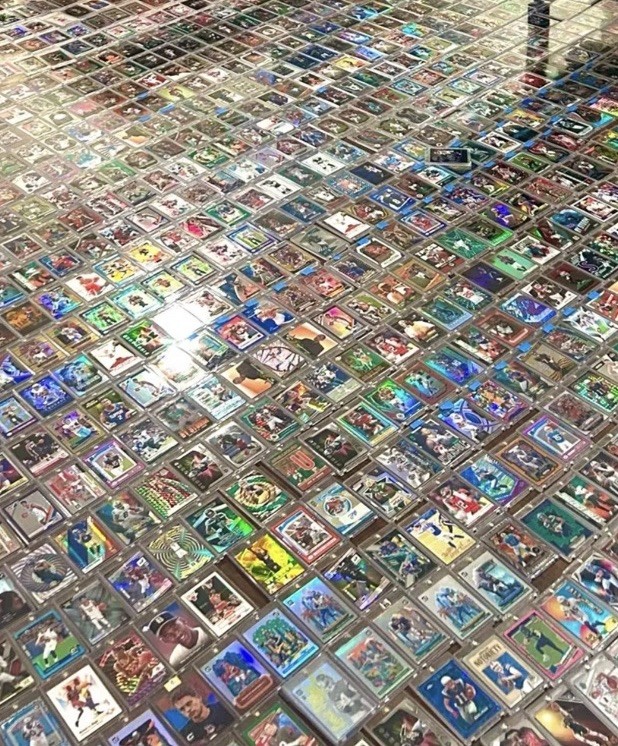
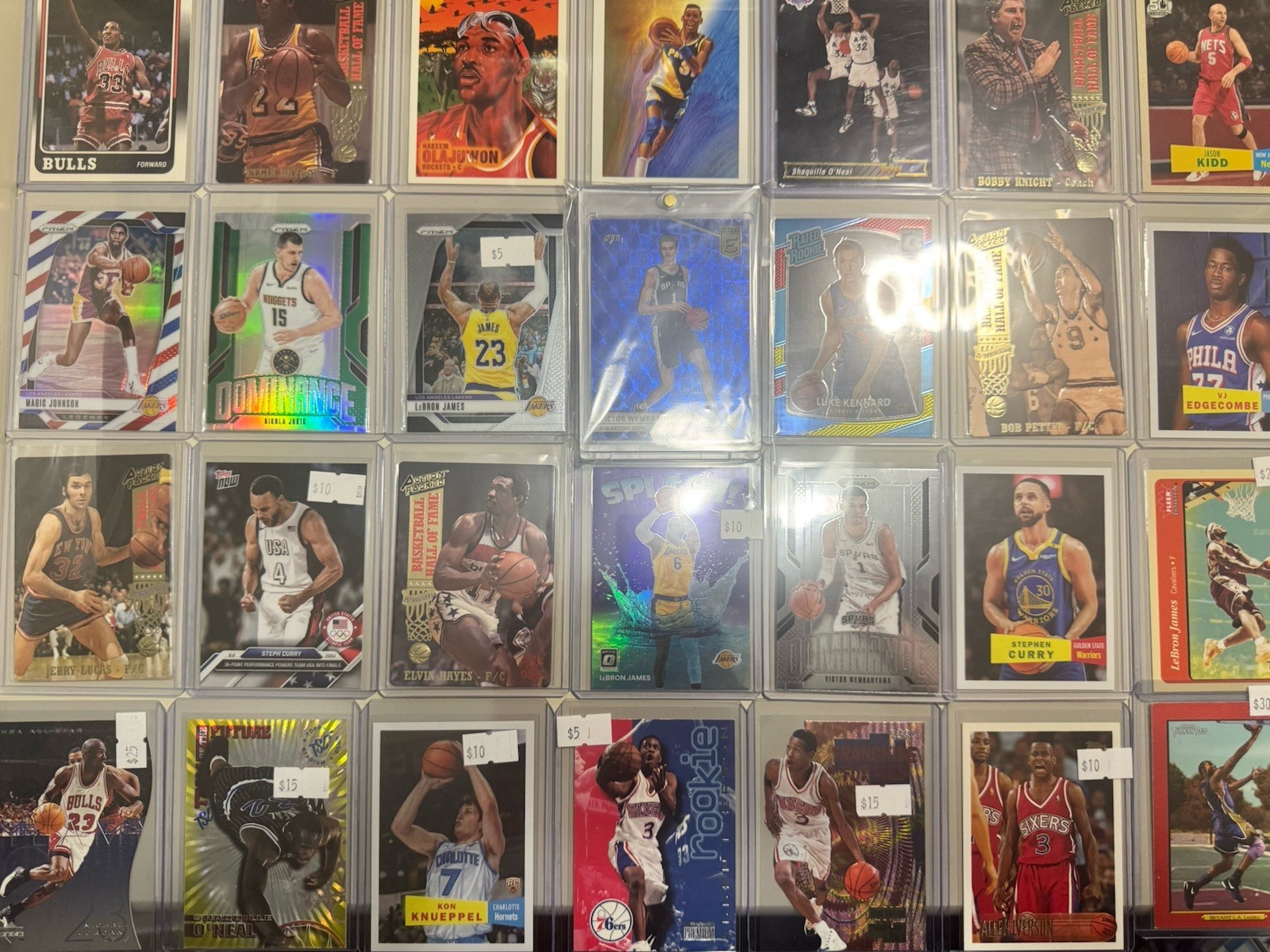

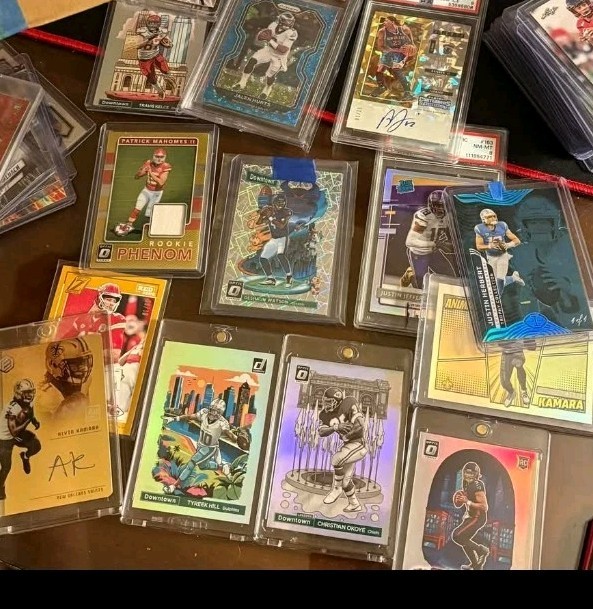


eBay links are affiliate links: JunkPal may earn a commission at no cost to you.
Resale values related to foil hit
Shop foil hit on eBay ↗

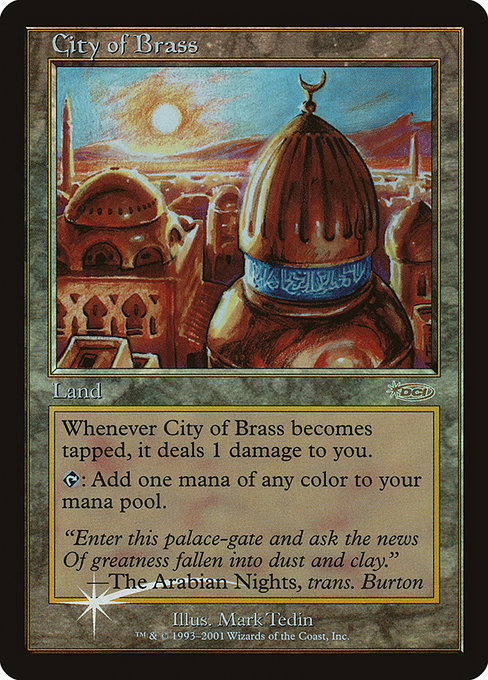
![Lapras [Tekno] #131](/api/images/junkpal-products/cards/lapras-tekno-131-pokemon-2000-topps-chrome-card/img0/thumb.webp)
![Vulpix [Tekno] #37](/api/images/junkpal-products/cards/vulpix-tekno-37-pokemon-2000-topps-chrome-card/img0/thumb.webp)
![Blastoise [Tekno] #9](/api/images/junkpal-products/cards/blastoise-tekno-9-pokemon-2000-topps-chrome-card/img0/thumb.webp)
JunkPal may earn a commission when you buy through eBay links, at no extra cost to you.
What’s worth the most
Ranked on medians of real closed eBay sales, not asking prices.