What does “foil finish” mean?
What it means
Foil finish is a surface treatment applied to a trading card using metallic or holographic inks/coatings. This is not merely a glossy print; it involves a reflective layer applied selectively to specific design elements, such as borders, character outlines, or entire card surfaces. In the collecting niche, this technique signals a premium production run, often denoting a "chase" card, a special insert, or a higher rarity tier compared to standard base cards. The mainstream equivalent is a metallic or holographic print effect.
What it does to price
The presence of a quality foil finish typically elevates a card's market value. For a comparable base card, a foil version can fetch a 1.5x to 4x multiplier, depending on the card's inherent scarcity. A standard, non-foil version might sell for $10; the same card in a vibrant, undamaged foil finish could easily command $25–$40 loose. Price depreciation is swift if the foil is scratched, chipped, or peeling, which can reduce the premium by 50% or more.
How to spot it
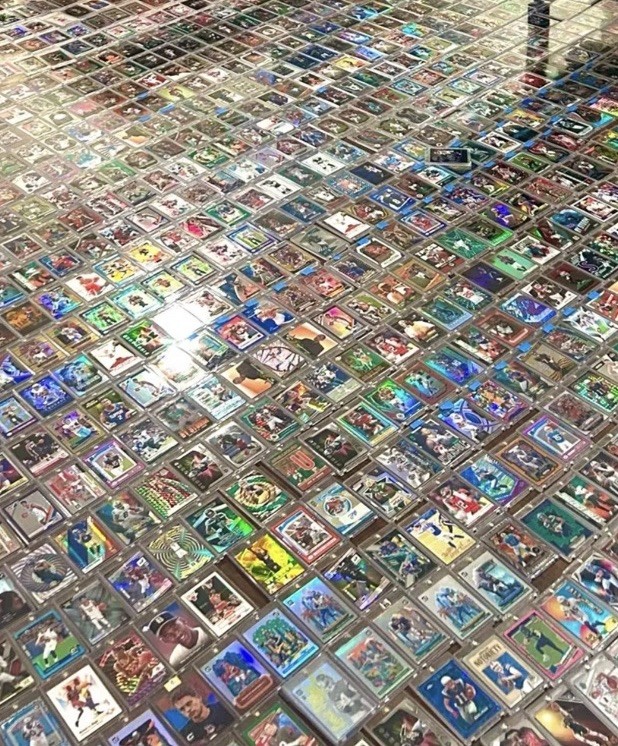
Foil is identified by its light refraction. It should shimmer or flash when viewed from different angles, not just appear shiny under direct light. Look for specific printing markers; high-end manufacturers often use unique foil patterns or color shifts (e.g., rainbow effect vs. solid silver). Sellers should provide high-resolution photos taken under bright, directional light. Common issues include "foil bleed," where the metallic ink has seeped slightly outside its intended area, or "foil wear," where the reflective layer has rubbed off, revealing the base card stock underneath.
Buying smart
Paying a premium for foil is justified when the card is confirmed to be a low-print-run variant or an authenticated chase insert. If the card is simply a standard parallel print run that uses foil for aesthetic appeal, the price premium is often inflated and not worth the extra cost. A fair deal involves a price that reflects the card's rarity *plus* a reasonable premium for the finish quality, not just the presence of foil. If the difference between the foil and non-foil version is marginal in rarity, the price difference should be minimal.
Selling smart
Listing a foil card requires explicit documentation of the finish's condition. The single most effective element in a listing is a close-up photo showing the foil catching the light—ideally, a photo taken at a slight angle. Using the term "Vibrant Foil" or "Intact Holographic Finish" in the description validates the premium. Buyers pay more for assurance. If the foil is damaged, list it as such; attempting to mask foil damage will result in lower offers or returns.
On eBay right now
Current asking prices from live listings — not sold-comp medians.

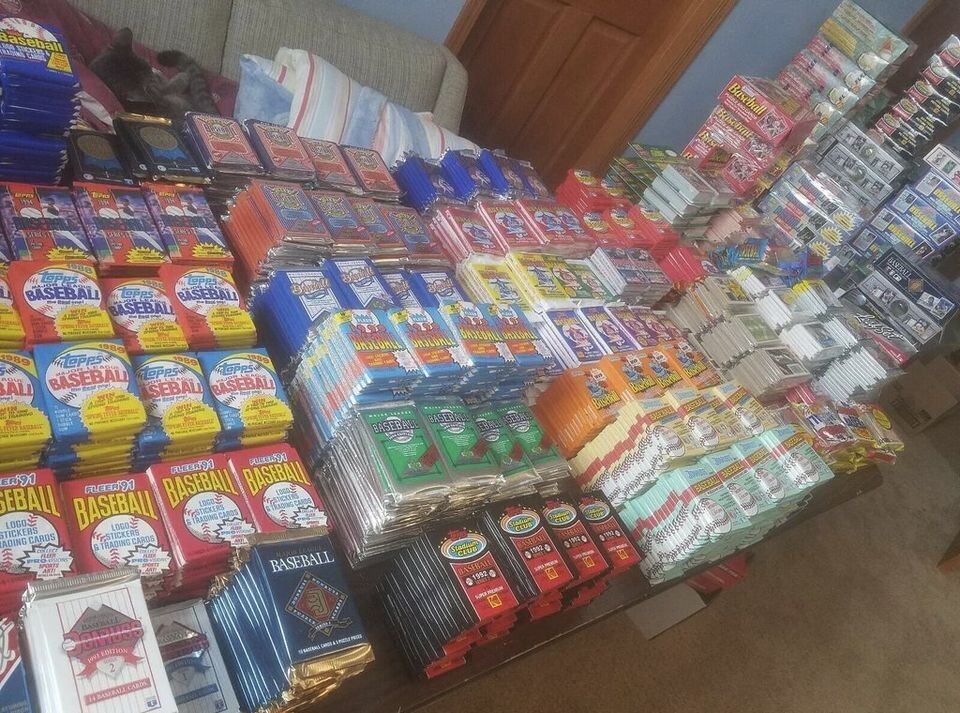


eBay links are affiliate links: JunkPal may earn a commission at no cost to you.
Resale values related to foil finish
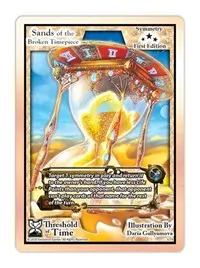
Shop foil finish on eBay ↗





JunkPal may earn a commission when you buy through eBay links, at no extra cost to you.
What’s worth the most
Ranked on medians of real closed eBay sales, not asking prices.