What does “foil design” mean?
What it means
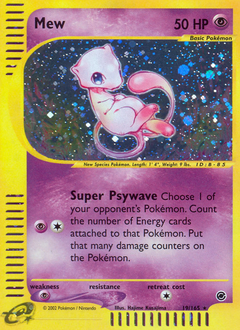
Foil design is a specific printing application where metallic or holographic inks are applied to sections of a trading card. This is distinct from a full holographic card, which covers the entire surface. Foil design targets specific elements—such as borders, character outlines, or background textures—to create visual pop. In the collecting niche, this serves as a primary indicator of a card's production tier. It is a premium finish, not merely a decorative element. The presence of foil often denotes a special print run, a parallel, or a higher-grade insert, distinguishing it from standard base-set cards.
What it does to price
Foil application acts as a direct value multiplier. A standard, non-foil version of a sought-after card might sell for $10. The same card featuring a prominent, intricate foil design can easily fetch $25 to $50, depending on the rarity of the foil variant. Minor foil imperfections—such as slight ink bleed or premature wear on the foil surface—can reduce value by 10-20%. Conversely, a rare, complex foil pattern on a high-demand card can push the price multiplier to 3x or more compared to the non-foil version.
How to spot it
The primary tell is the way light interacts with the card surface. Foil reflects light sharply, often shifting color (holographic effect) or presenting a distinct metallic sheen (chrome/silver). Check the card under direct, angled light. Common errors include "foil cracking," where the metallic layer separates from the card stock, or "foil dulling," where the reflective quality has been lost due to poor storage or manufacturing defects. Fakes often use cheap, flat metallic ink that lacks the depth or light refraction of genuine foil. Always request high-resolution photos showing the foil under bright, directional light.
Buying smart
Paying a premium for foil design is justified when the card is a key chase card within a set, or when the foil itself is tied to a verifiable scarcity (e.g., "Gold Foil Parallel"). If the card is a common chase card where the foil is merely an aesthetic upgrade without affecting rarity, the premium is often inflated. A fair deal means the price increase directly correlates with the scarcity level the foil represents. If a $5 card is listed for $15 solely because of a basic foil pattern, the deal is likely poor.
Selling smart
To maximize sale price, the listing must explicitly detail the foil's quality and placement. Use precise terminology: "Intricate Foil Pattern," "Full Border Foil," or "Holographic Foil Accent." The single most effective photo is a close-up shot of the foil area taken under a strong light source that clearly demonstrates the reflective quality. Stating "Mint condition foil integrity" in the description justifies the higher price bracket and preempts buyer concerns about peeling or scratching.
On eBay right now
Current asking prices from live listings — not sold-comp medians.
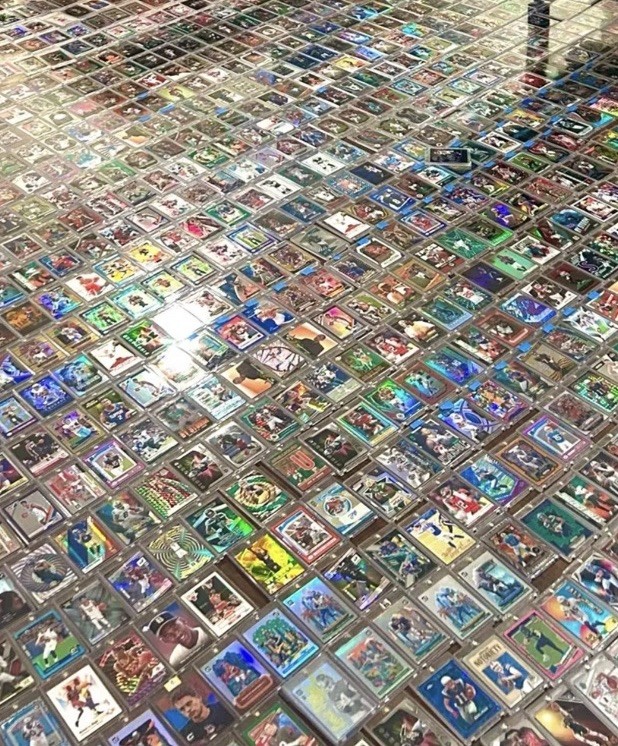
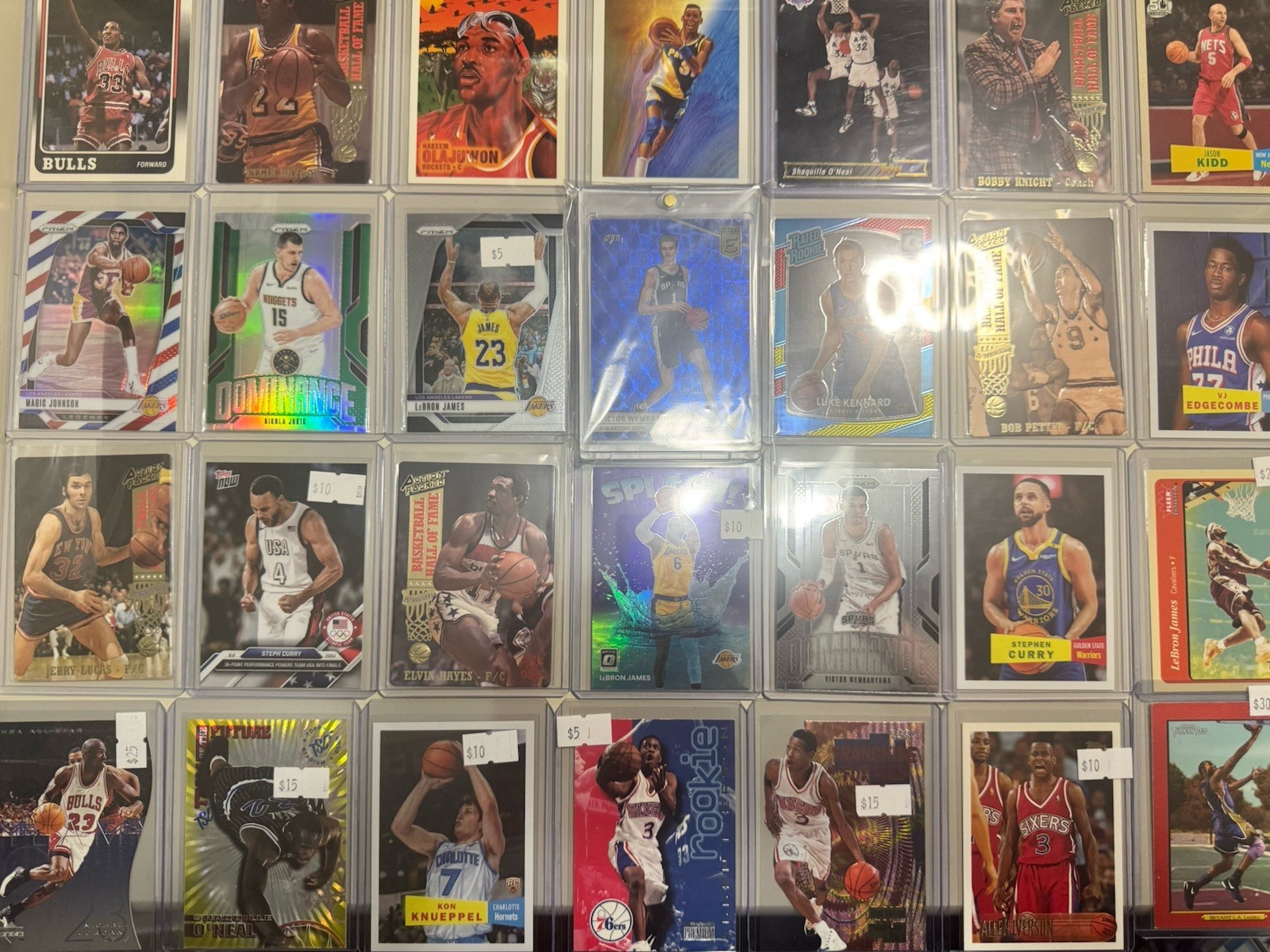

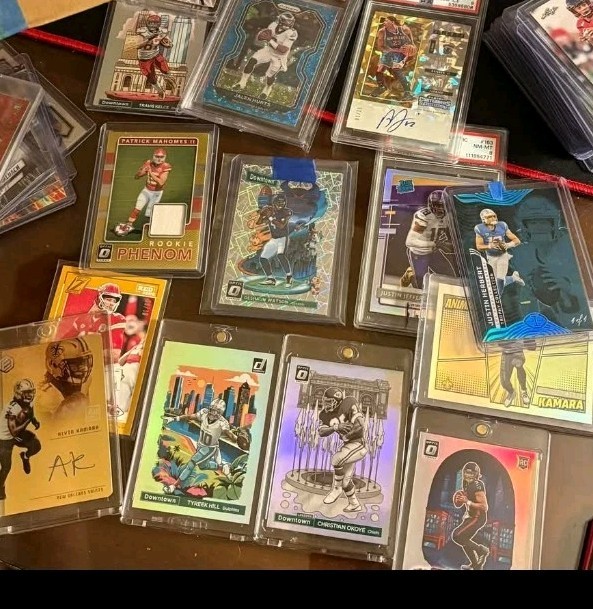


eBay links are affiliate links: JunkPal may earn a commission at no cost to you.
Resale values related to foil design
Shop foil design on eBay ↗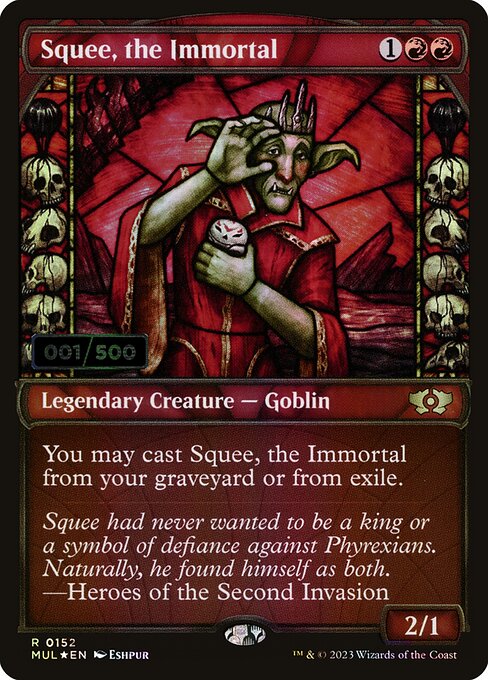

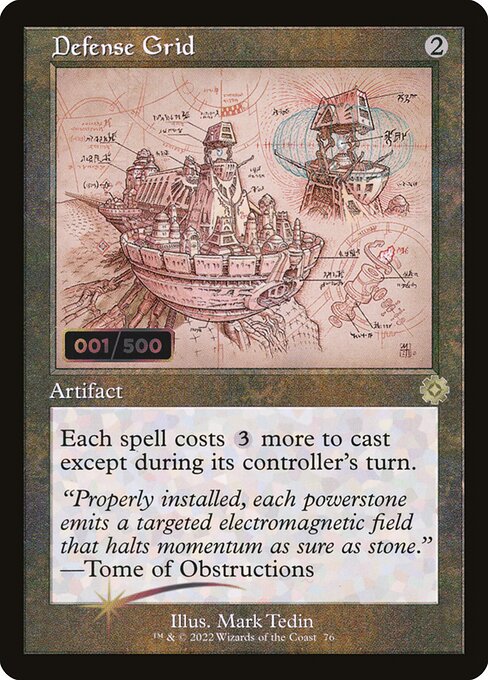
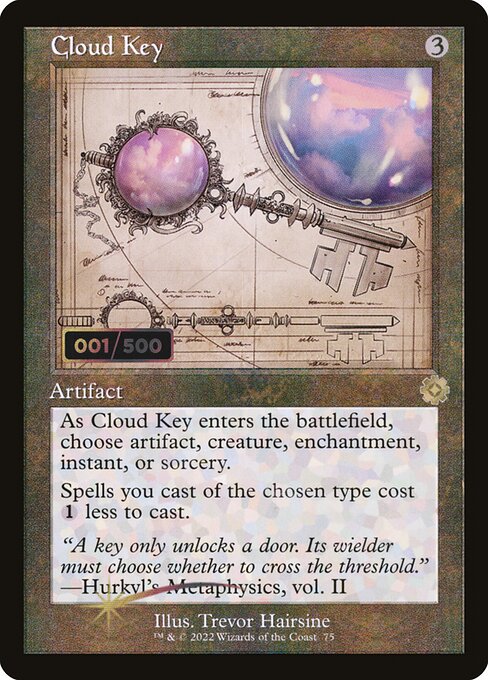
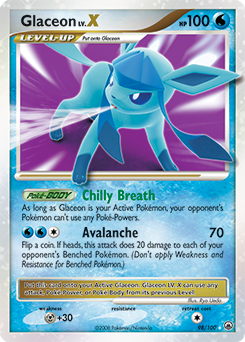
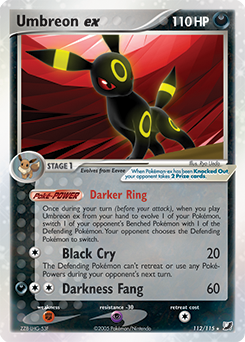
![Meetup on Christmas Eve Ai SSP ([OSHI NO KO] Vol.2)](/api/images/junkpal-products/tcgcsv/meetup-on-christmas-eve-ai-ssp-685751-tcg/img0/thumb.webp)
JunkPal may earn a commission when you buy through eBay links, at no extra cost to you.
What’s worth the most
Ranked on medians of real closed eBay sales, not asking prices.