What does “foil” mean?
What it means
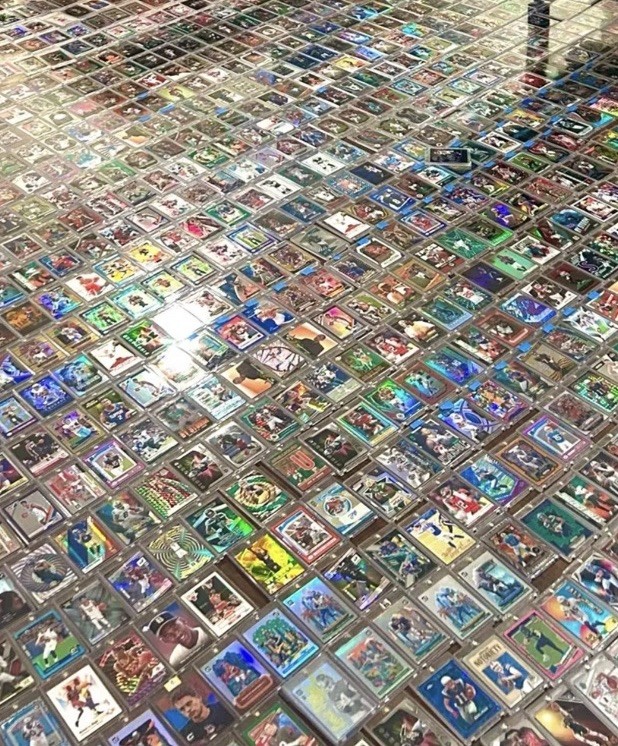
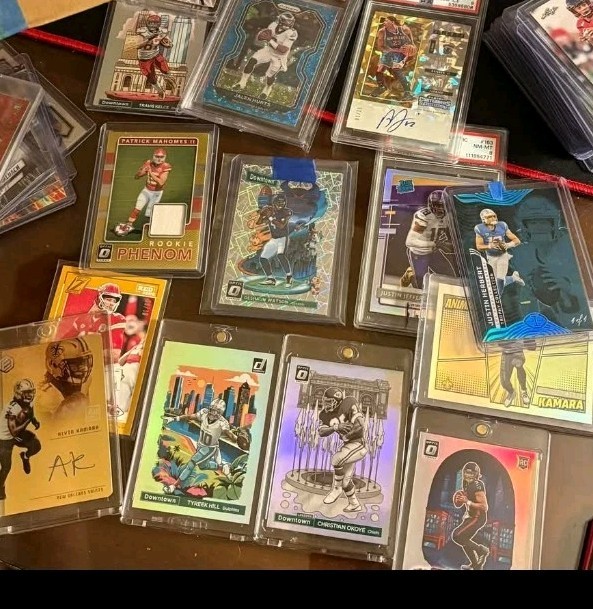
Foil refers to a metallic, reflective layer applied to the surface of a trading card. This finish is distinct from standard gloss or matte coatings. In the collecting niche, "foil" is not a single type but an umbrella term covering several treatments: standard reflective foil, holographic foil (which shifts color depending on the viewing angle), and specialized patterned foils (like rainbow or chrome). The presence of foil almost always indicates a premium printing run or a higher rarity tier within a set. It is a surface treatment, not a card grade, though foil damage severely impacts grade.
What it does to price
Foil presence is a primary driver of value. A standard parallel or base card without foil might sell for $1.00; the same card featuring a high-quality, vibrant foil treatment can easily command $3.00 to $10.00 or more, depending on the card's base rarity. Holographic foils are the most valuable, often multiplying the base price by 3x to 10x compared to non-foil versions of the same card. Downside: Scratches or peeling foil reduce value significantly. A card with minor, localized foil scratching might see a 20-30% reduction in value compared to a pristine example.
How to spot it
Identification requires close inspection under direct, bright light. Genuine foil will exhibit a consistent, sharp reflection across the treated area. Look for registration marks or specific pattern breaks that are unique to the foil printing process; fakes often have a dull, smeared, or uneven metallic sheen. Sellers should provide high-resolution photos taken in bright, direct sunlight. Common mistakes include confusing a high-gloss finish with true foil; gloss reflects light broadly, while foil reflects it sharply and specifically. Some low-end counterfeits use simple metallic ink that lacks the depth of a true foil stamping.
Buying smart
Paying a premium for foil is justified when the card is a chase card (low print run) or when the foil treatment itself is unique to a specific, highly sought-after version (e.g., a specific parallel). If the foil is present but the card is common or the foil is visibly worn, the premium is not worth it. A fair deal involves the price reflecting the *quality* of the foil—a vibrant, perfect foil warrants a higher price than a dull, slightly scratched one. If the difference between a foil version and a non-foil version is marginal in terms of rarity, the price jump should also be marginal.
Selling smart
To maximize sale price, the listing must prove the foil's quality. The single most effective photo is a close-up, macro shot of the foil area taken under intense, direct light source. This allows the buyer to verify the shimmer and integrity. The word "Holo" or "Rainbow Foil" must be used if applicable, as buyers search for these specific terms. Describing the foil condition—e.g., "Pristine Foil," "Vibrant Metallic Finish"—justifies the asking price and filters out buyers looking for damaged goods.
On eBay right now
Current asking prices from live listings — not sold-comp medians.


eBay links are affiliate links: JunkPal may earn a commission at no cost to you.
Resale values related to foil
Shop foil on eBay ↗

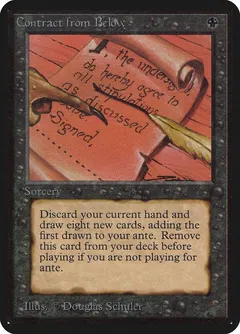

![Island [Alt Art]](/api/images/junkpal-products/cards/island-alt-art-magic-summer-edition-card/img0/thumb.webp)
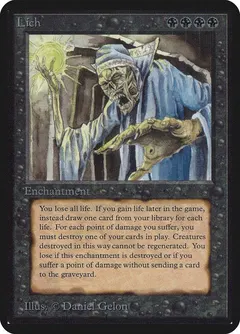
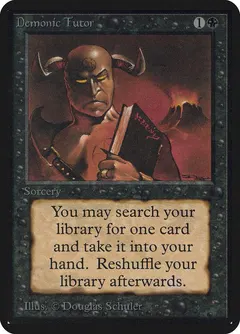
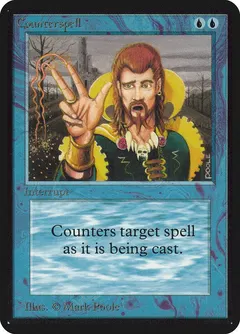
JunkPal may earn a commission when you buy through eBay links, at no extra cost to you.
What’s worth the most
Ranked on medians of real closed eBay sales, not asking prices.